Trump library could be a problem for downtown Miami — even these candidates agree | Opinion
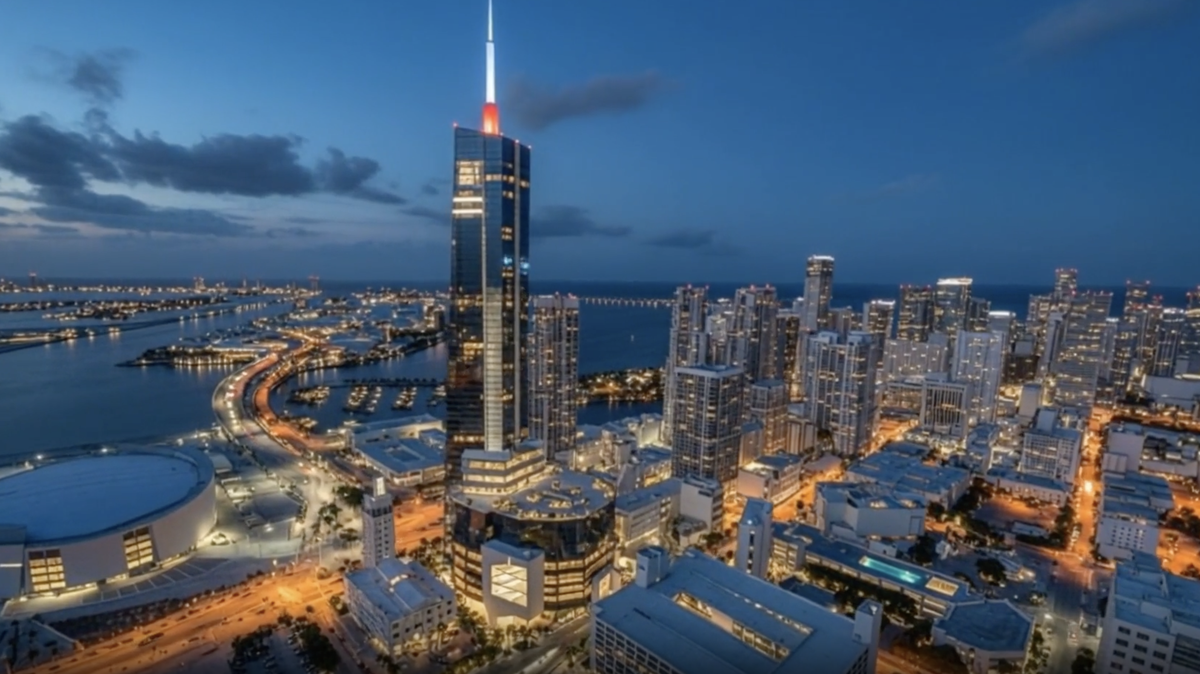
The issues with President Donald Trump’s planned presidential library in downtown Miami didn’t end with Florida’s decision to donate land for the project with few questions asked.
Read more If Team USA moves up in the World Cup, thank a Miami billionaire for helping
Three candidates running for a County Commission seat that covers downtown are asking questions about how the project would impact traffic, excessive lighting and downtown’s strained infrastructure. These are issues that Miami Dade College didn’t seem to take into consideration last year when its trustees donated land for the colossal, flashy tower the Trump Library Foundation is expected to build.
In interviews with the Herald Editorial Board, Miami-Dade County Commissioner Vicki Lopez and challengers Joe Sanchez and Rob Piper expressed concerned about the negative impacts of having such a large development smack in the middle of Miami’s highly-populated urban core.
Although the property off Biscayne Bay falls under the jurisdiction of the city of Miami, many high-rise developers try to have their projects included under Miami-Dade County’s rapid-transit zones, which allow more density around transit lines such as the Metrorail.
County Commission elections are nonpartisan, but two of the candidates previously ran as Republicans: Lopez is a former Republican state representative who was appointed to the commission last year to fill a vacancy. Sanchez ran in the 2024 GOP primary for Miami-Dade County sheriff. Their concern about the potential impact of the library is unusual because Florida Republicans have generally been in lockstep with Trump.
“To think that [the library] would not negatively impact the constituents in downtown would be foolish,” Lopez said during a candidate interview that’s part of the Editorial Board’s endorsement process in the Aug. 18 primaries. We have not yet issued an endorsement in District 5.
Lopez said traffic in downtown is already a problem and, based on renderings the Trump Library Foundation released in late March, the project won’t be just a presidential library.
Gaudy even by Miami standards, the renderings showed a tower as tall or nearly as tall as anything around — it dwarfed the neighboring and historic Freedom Tower, a symbol of Miami’s immigrant roots. The signature logo “TRUMP” sat atop the building and jumbo video screens showed Trump’s face on the exterior.
Trump said in March the project will “most likely” include a hotel and might have an office component. What else will it house — a conventional center, restaurants?
A project of this magnitude would, no doubt, affect the growing number of people who live downtown. District 5 also covers Brickell, other parts of the city of Miami and Miami Beach.
“So, my constituents in downtown prefer not to have very big buildings that constantly have their lights on,” Lopez said. “We don’t know whether there’ll be signage on the sides of [the library] that will obviously prohibit people from, you know, being able to sleep, which has been a huge complaint downtown.”
Read more Lawsuit accuses South Florida condo board of illegally blocking sales
Sanchez, a retired Florida Highway Patrol officer and former Miami city commissioner, said downtown residents should have a say on any potential zoning changes.
“I wish that something else would have been built there besides the Trump library,” Sanchez said. “I think that Miami Dade College should have had an opportunity to expand more and provide the services they provide.”
Sanchez added, “I think it’s going to create more problems in downtown.”
Piper, a retired U.S Marine Corps major and combat veteran, said he doesn’t believe the library should be built in downtown, and he spoke against the $67 million land transfer when Miami Dade College was considering it last year. If zoning modifications related to the library came before him on the commission, he said he would vote for them only after a “serious analysis is done as to the adverse effects that it may have.”
“In all honesty, it’s definitely not going to be a library,” Piper said.
The three candidates’ skepticism is warranted and welcome. The city or the county should not blindly approve any presidential library plans that will overwhelm downtown Miami’s infrastructure and affect residents’ quality of life. They will have to put their constituents before the wishes of a mercurial president who will wield his executive and political power to get what he wants.
BEHIND THE STORY
MORE
What’s an editorial?
Editorials are opinion pieces that reflect the views of the Miami Herald Editorial Board, a group of opinion journalists that operates separately from the Miami Herald newsroom. Miami Herald Editorial Board members are: opinion editor Amy Driscoll and editorial writers Isadora Rangel and Mary Anna Mancuso. Read more by clicking the arrow in the upper right.
What’s the difference between an op-ed and a column?
Op-Eds, short for “opposite the editorial page,” are opinion pieces written by contributors who are not affiliated with our Editorial Board.
Columns are recurring opinion pieces that represent the views of staff columnists that regularly appear on the op-ed page.
How does the Miami Herald Editorial Board decide what to write about?
The Editorial Board, made up of experienced opinion journalists, primarily addresses local and state issues that affect South Florida residents. Each board member has an area of focus, such as education, COVID or local government policy. Board members meet daily and bring up an array of topics for discussion. Once a topic is fully discussed, board members will further report the issue, interviewing stakeholders and others involved and affected, so that the board can present the most informed opinion possible. We strive to provide our community with thought leadership that advocates for policies and priorities that strengthen our communities. Our editorials promote social justice, fairness in economic, educational and social opportunities and an end to systemic racism and inequality. The Editorial Board is separate from the reporters and editors of the Miami Herald newsroom.
How can I contribute to the Miami Herald Opinion section?
The Editorial Board accepts op-ed submissions of 650-700 words from community members who want to argue a specific viewpoint or idea that is relevant to our area. You can email an op-ed submission to [email protected]. We also accept 150-word letters to the editor from readers who want to offer their points of view on current issues. For more information on how to submit a letter, go here.
Read more South Florida Venezuelans urge U.S. to stop ‘being complicit’ with Caracas regime









Post Comment