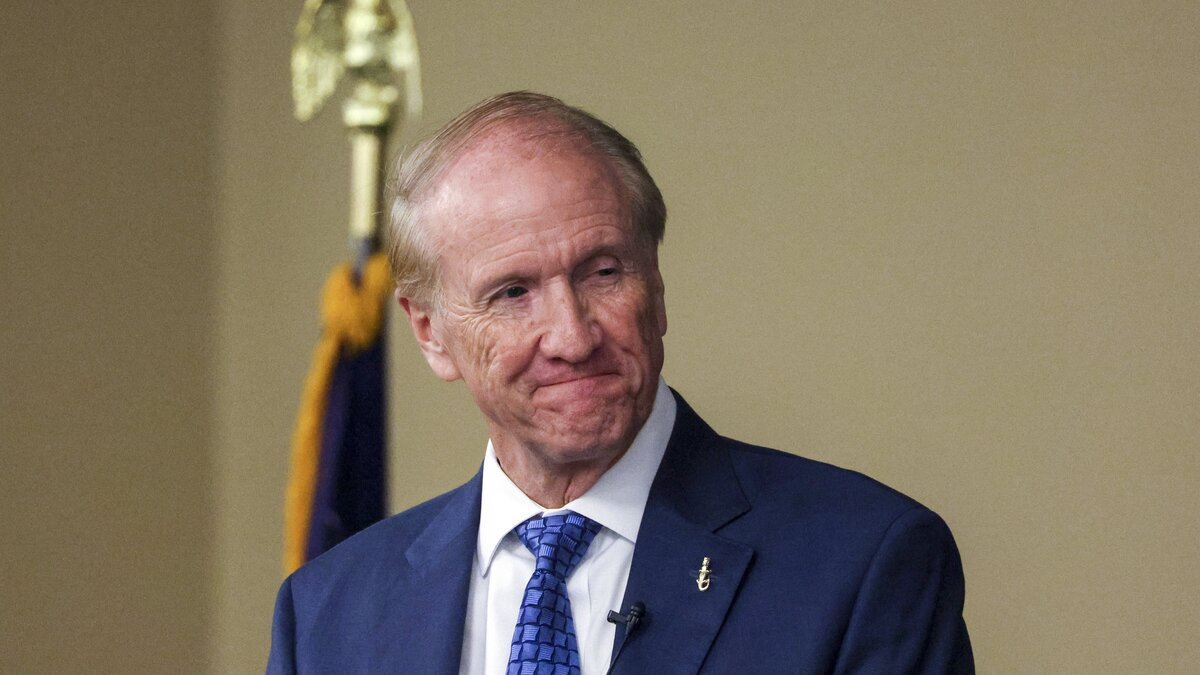
Stuart Bell wins final approval for University of Florida presidency
Stuart Bell cleared the final hurdle in his politically charged bid for the University of Florida presidency Wednesday after the State University System’s Board of Governors voted to approve his nomination, capping a six-week selection process consumed by ideological litmus tests, Republican infighting and a public power struggle over the university’s governance.
Read more Can Miami embrace a July 4 milestone like this family did? ‘A lot has changed’
The state board voted 15-1 to confirm Bell, handing Gov. Ron DeSantis a victory after his administration rallied behind the longtime University of Alabama president despite attacks from conservative activists who questioned his commitment to dismantling diversity, equity and inclusion initiatives.
The board’s near-unanimous endorsement of Bell was also a stunning outcome for an acrimonious hiring process that drew scrutiny from high-ranking GOP officials all the way up to the White House.
Bell, who led Alabama’s flagship university for a decade, assumed the presidency immediately under .
His confirmation closes one of the most turbulent presidential searches in UF history. What began as another ideological battle over DEI ultimately became a proxy fight between two of Florida’s most influential Republican higher education leaders, delaying Bell’s confirmation and exposing growing tensions over who controls the state’s flagship university.
Political déjà vu
Bell’s candidacy unfolded under the shadow of the university’s failed attempt last year to hire former University of Michigan president Santa Ono, who was rejected last year by the Board of Governors after facing the same pushback Bell encountered.
Ono’s rejection fundamentally changed the calculus for future presidential candidates, who would now face ideological scrutiny from conservative activists, state officials and the Board of Governors.
Within days of UF naming Bell its sole finalist in May following a closed search, conservative commentators began circulating years-old statements supporting diversity initiatives and questioned whether he would faithfully implement DeSantis’ higher education agenda, which has eliminated DEI offices, restricted diversity spending and sought to reshape public universities around a more conservative vision.
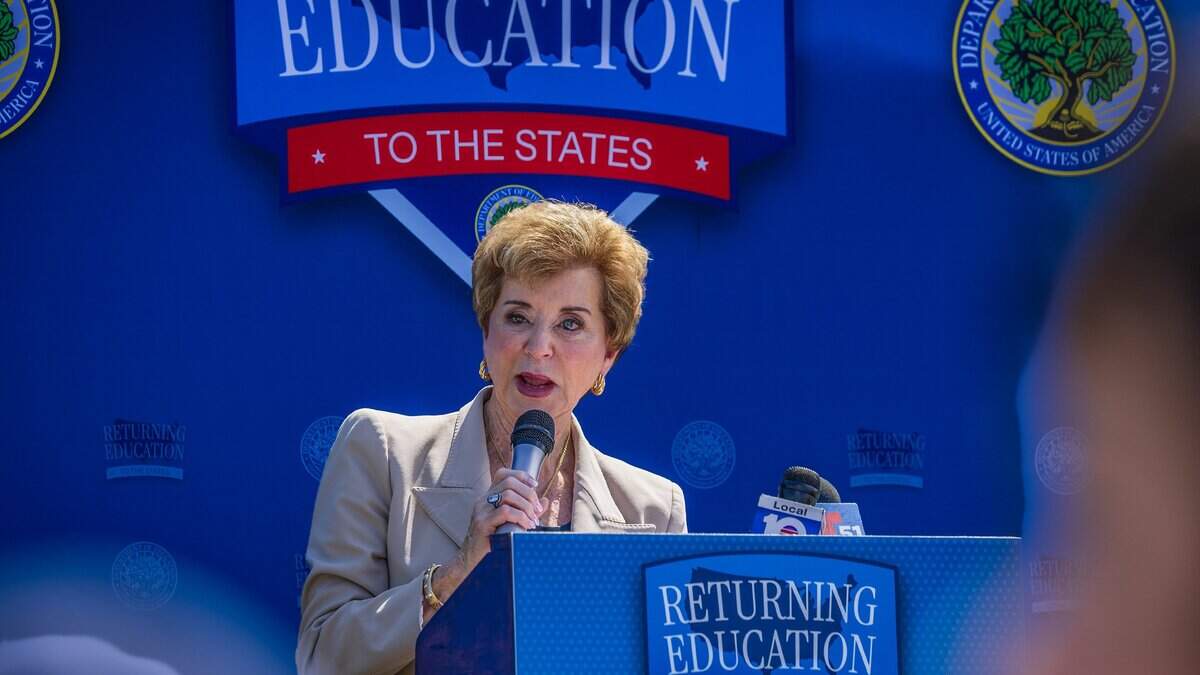
In a remarkable intervention, U.S. Secretary of Education Linda McMahon suggested on social media that UF should find a different president, saying “Florida has led the fight to get discriminatory DEI out of our schools and universities. UF deserves a president who will continue to drive those reforms.”
UF and the governor’s office countered the backlash with an unusually aggressive public relations campaign for Bell. Responding to McMahon on X, the university said the education secretary was “correct” that “DEI is discriminatory by design” and “Bell stands with Secretary McMahon, the Board, and the people of Florida on this. He is ready to lead UF forward as a university defined by merit, rigor, and the pursuit of truth.”
Bell echoed that message throughout his public appearances, repeatedly noting that Alabama had dismantled its DEI office after state lawmakers prohibited such programs and pledged to continue Florida’s higher education reforms if confirmed. Those assurances appeared sufficient for UF trustees, who unanimously approved Bell’s nomination in early June.
Boardroom beef
By the time Bell reached the Board of Governors, however, the ideological debate had largely given way to a different fight.
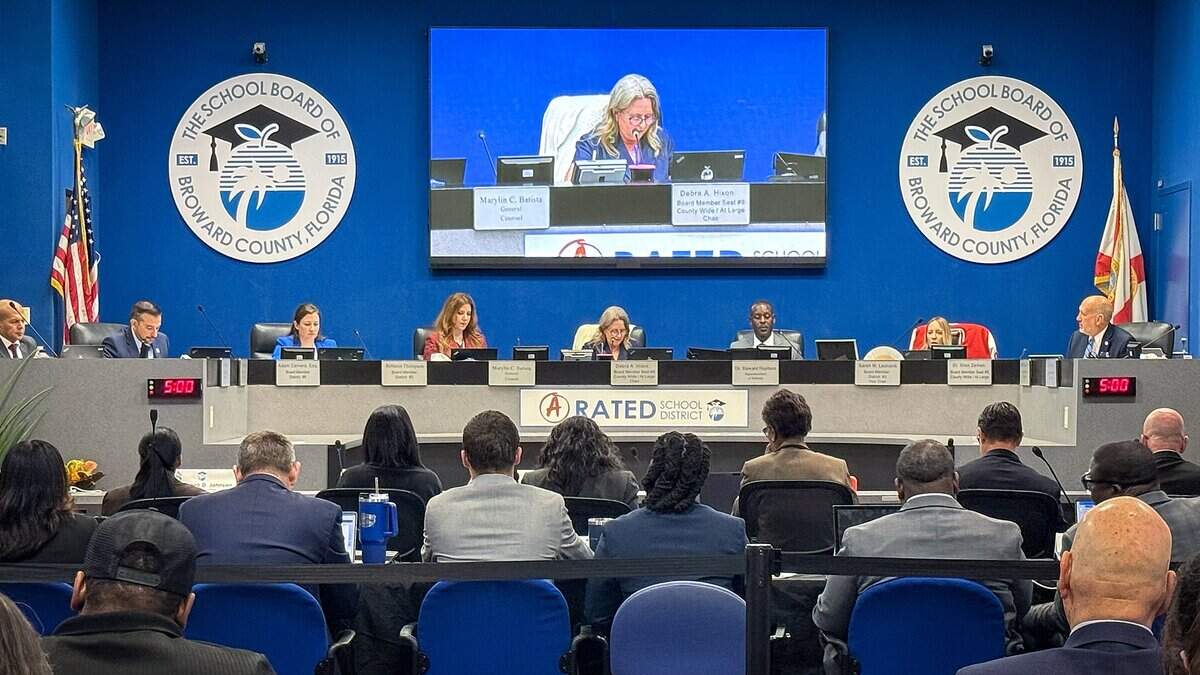
Instead of questioning Bell’s views on DEI, state higher education leaders became embroiled in an increasingly public dispute over governance between Board of Governors Chairman Alan Levine and UF Board of Trustees Chairman Mori Hosseini, a prominent homebuilder, Republican donor and one of DeSantis’ closest allies.
The dispute threatened to derail Bell’s confirmation altogether. Levine canceled Bell’s June 24 interview before the Board of Governors and argued university policies granted Hosseini broad authority over key decisions, including executive hiring and compensation, without sufficient oversight from the full board of trustees.
The move ignited a week of public sparring between the two Republican power brokers. UF trustees accused Levine of using Bell’s nomination as leverage to force broader governance changes. Rather than waiting for the state board, trustees voted to install Bell as interim president while negotiations continued behind the scenes.
Read more A fight over a parking spot at a Broward Walmart left a man dead, BSO says
Levine restored Bell’s confirmation to Wednesday’s agenda after both boards agreed to commission an outside review of governance practices across Florida’s 12 public universities.
Turn the page
Bell appearance before the Board of Governors on Wednesday bore little resemblance to the three-hour interrogation Santa Ono endured a year earlier. Rather than dwelling on DEI, board members largely accepted Bell’s assurances that he supported Florida’s higher education reforms.
Several even praised Bell’s recent America 250-themed Fox News opinion column, in which he argued DEI had devolved into an “ideological enforcement regime” and that universities had strayed from the Founders’ vision of “the righteous pursuit of truth” toward “partisan activism dressed up as scholarship.”
Bell on Wednesday reaffirmed his support for Florida’s institutional neutrality policies, which discourages university leaders from taking official positions on political issues in an effort to avoid chilling debate among students and faculty. He insisted he would not “bring woke back” to Florida’s flagship campus, telling board members he eliminated — rather than rebranded — Alabama’s diversity offices and programs.
Asked about critical race theory’s academic value, Bell said a university’s job is to “teach our students not what to think, but how to think.”
Levine, meanwhile, focused less on ideology than governance. His questions centered on Bell’s management philosophy and the importance of making hiring decisions transparently — a nod to Levine’s concerns about the authority wielded by Hosseini and the university’s trustees.
Several of UF’s most prominent leadership positions — including the provost and the deans of the law, engineering and medical schools — have remained under interim leadership for years.
Levine asked Bell what qualities he would seek in permanent hires and reminded him that, ultimately, those decisions belonged to the president.
“It’s your decision who to hire,” Levine told Bell. Bell responded that he would work “hard” and “fast” to fill leadership vacancies and promised “transparent” hiring processes.
The state board’s sole dissenting vote against Bell came from Aubrey Edge, who questioned Bell’s DEI record and Alabama’s academic standing. Edge pointed to U.S. News & World Report college rankings, noting Alabama trails UF by a significant margin.
Bell responded that Alabama’s systemwide ranking is weighed down by its satellite campuses and argued the flagship Tuscaloosa campus would fare substantially better if evaluated independently.
Most state board members expressed a desire to move past what has been one of the most unstable periods at UF in recent memory, which began with the sudden exit of then-President Ben Sasse in 2024.
Board member Nick Sinatra, a recent DeSantis appointee, urged his fellow board members to “move past” the acrimony and “turn the page.”
“The University of Florida is a rocket ship. We’re gonna ask you to be the pilot of that rocket ship, and we can’t look back. We have to look forward,” Sinatra told Bell. “We’re all going to work together to empower you for success.”
Read more Coral Gables to get a new park as UM seeks to expand under new deal. What we know








Post Comment