Supreme Court upholds birthright citizenship in blow to Trump immigration agenda
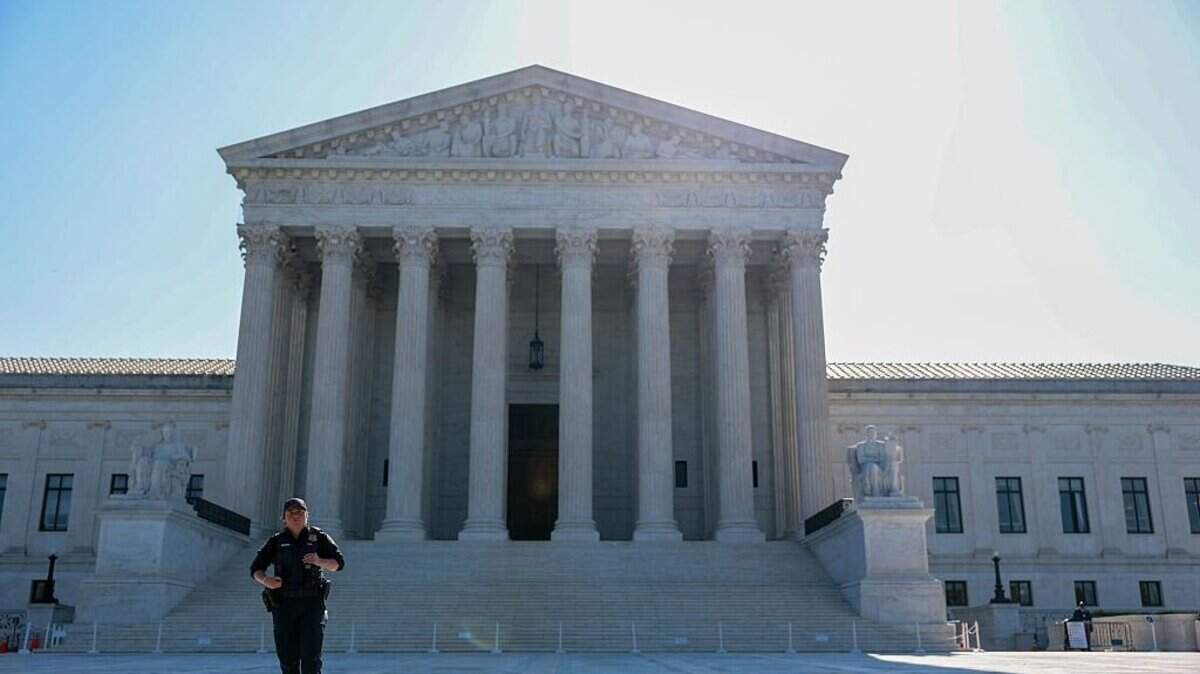
The U.S. Supreme Court on Tuesday upheld the longstanding, constitutionally guaranteed right of babies born on U.S. soil to be American citizens through birth regardless of where their parents are from or what their immigration status is.
Read more 2 Miami stores sold Monday’s only Florida Lottery major draw game winners
In a 6-3 decision, the justices said President Donald Trump’s executive order to restrict birthright citizenship to the children of American citizens and green-card holders is unlawful.
“Children born in the United States to parents unlawfully or temporarily present are “subject to the jurisdiction” of the United States and are citizens at birth under the Fourteenth Amendment’s Citizenship Clause,” read the majority opinion, authored by Chief Justice John Roberts.
The ruling is a significant blow to Trump’s agenda to limit both legal and illegal immigration. Even before his return to the White House, Trump had already proposed greatly restricting the 14th Amendment, which has been by and large interpreted by legal scholars and the courts to guarantee birthright citizenship to all except for the children of diplomats or invading soldiers.
In Miami-Dade County, over half of the population is foreign-born and many of its native-born Americans are children of immigrants. Doing away with birthright citizenship would leave South Florida babies born to undocumented immigrants, professionals and students on temporary visas vulnerable to deportation. In Florida, there were about 281,000 immigrants who were unauthorized to be in the U.S. and lived with at least one U.S.-citizen child in 2023, according to the Migration Policy Institute.
READ MORE: Trump wants to limit birthright citizenship through executive action. Can he do that?
In an executive order on his first day back in office, Trump said the 14th Amendment did not universally apply to all children born in the U.S. because it has always excluded people who were not subject to American jurisdiction. The executive order says people who fall into that latter category are children born to parents who are undocumented or temporary visa holders and are neither green-card holders or U.S. citizens. The order directed government authorities to not issue official documents that prove citizenship, such as birth certificates and passports, to children whose parents fit those categories.
A tsunami of lawsuits calling the order a direct violation of the Constitution ensued. Three federal judges issued preliminary, nationwide injunctions that barred officials from applying the executive order. In response, the Trump administration asked the Supreme Court in an emergency request to intervene over the use of nationwide injunctions and limit the orders to the case parties only.
Read more Miami state attorney ‘regrets’ fiancé parking his Porsche in fire lane at lunch
READ MORE: Supreme Court allows Trump to end birthright citizenship in some parts of the country
The Supreme Court in June 2025 It said in a 6-3, 119-page ruling that these rulings “likely exceed the equitable authority that Congress has given to federal courts” and stayed the nationwide injunctions on the birthright-citizenship executive order in Florida and other places where it hadn’t been challenged.
In a press conference shortly after, Trump celebrated the decision and said the 14th Amendment was meant for “babies of slaves” and not “people trying to scam the system,” referring to immigrants. In a dissent, Justices Sonia Sotomayor, Elena Kagan and Miami-born Ketanji Brown Jackson accused the Trump administration of playing political and judicial games and called the majority opinion a “travesty.”
READ MORE: Supreme Court ruling on birthright citizenship may affect Florida babies in July
However, the court did not weigh in on the merits of birthright citizenship or whether the executive order violated the citizenship clause or federal laws. That is, until Tuesday.
The Supreme Court’s previous precedent on birthright citizenship is over a century old. At the turn of the 20th century, border authorities denied entry to the U.S. to Wong Kim Ark, a California-born laborer with Chinese parents. Authorities claimed he wasn’t a U.S. citizen. Kim Ark took the federal government to court, and the Supreme Court sided with him, finding that he was an American citizen.
The Center for Migration Studies of New York found in a 2024 study that 5.5 million U.S.-born children have at least one undocumented parent, and 1.8 million children have two undocumented parents.
Read more New luxury terminal at MIA offers caviar and privacy. Here’s what to know
This is a developing story. Check back for updates.
This story was originally published June 30, 2026 at 10:41 AM.









Post Comment