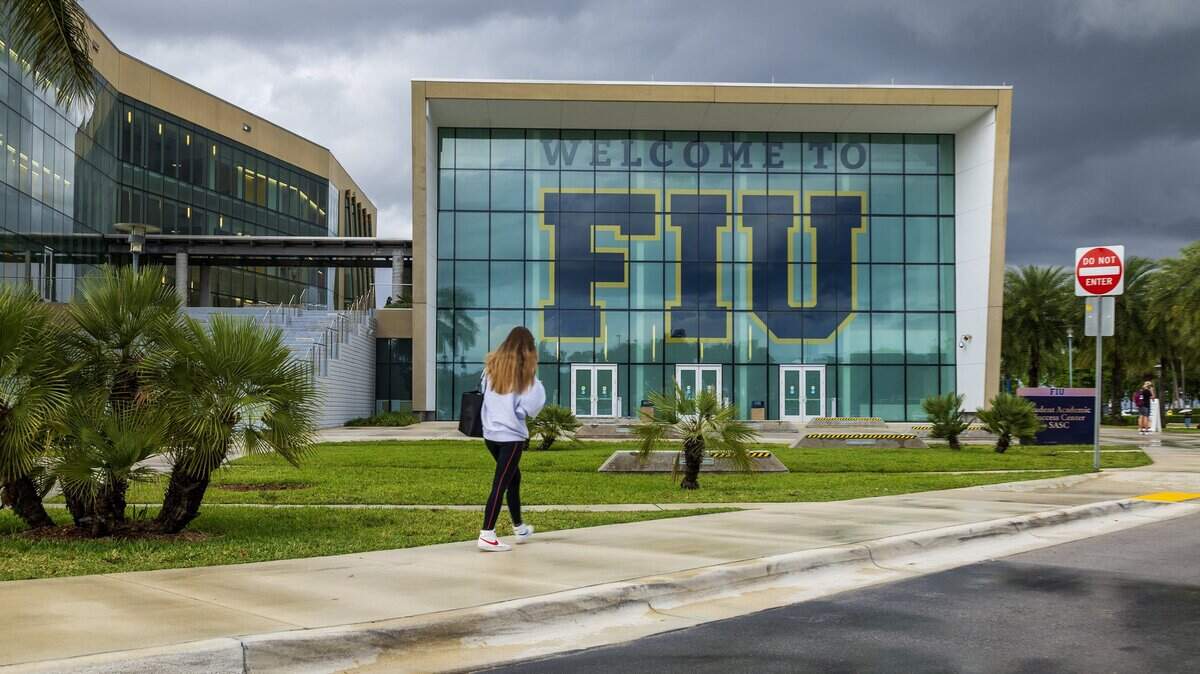
Florida moves to restrict undocumented students from public universities
Florida’s public universities moved a step closer Thursday to barring undocumented students from enrolling, after the Florida Board of Governors unanimously advanced an admissions change that could take effect in the 2027-28 academic year.
Read more Two injured in personal-watercraft crash near Rickenbacker, Miami Fire says
The proposal targets universities that, in the two most recent academic years, didn’t admit all academically qualified applicants. If ultimately adopted, a person “not lawfully present in the United States” would not be eligible for initial enrollment at those universities.
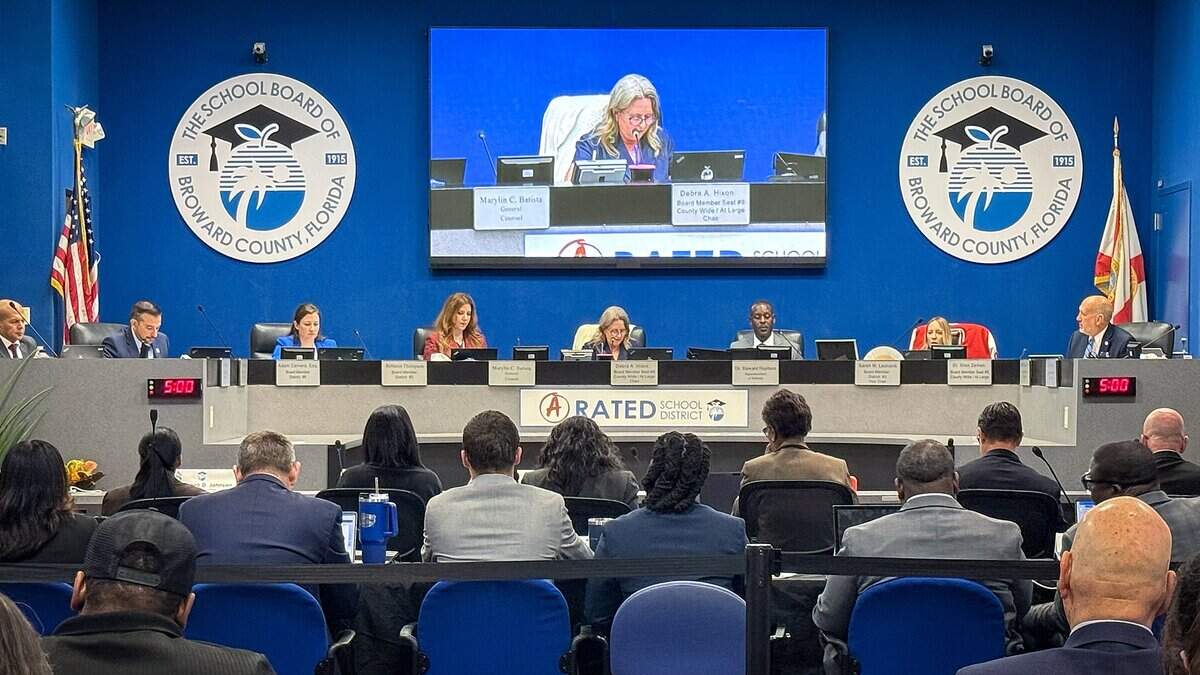
The vote is not the final step. If approved, the proposed change would be opened for 14 days of public comment. If no concerns are raised during that period, it would return to the Board of Governors for a final vote in September.
In practice, the rule would apply to universities that have turned away academically qualified applicants because they lacked the space, faculty, programs or other resources to accommodate them. The proposal includes an exception for cases in which applicants were rejected for nonacademic reasons.
The Board of Governors oversees Florida’s 12 public universities, including Florida International University and Florida Atlantic University. It wouldn’t apply to private universities such as the University of Miami.
Board members amended the proposal Thursday after raising concerns that the original language could unintentionally affect students living outside the United States who enroll in online programs at Florida universities.
“I don’t think it would be the intent of this board to preclude somebody who lives overseas from being able to access online programs,” board Chair Alan Levine said.
Read more Venezuelan diaspora frantic over family missing, feared dead after quakes
If finalized, the rule would place Florida among a small group of states that fully or partially block undocumented students from enrolling in public higher education. Alabama, Georgia and South Carolina already have restrictions limiting undocumented students’ access to public colleges or universities.
The proposal comes after Florida already made college less accessible for undocumented students through multiple moves. Last year, the Board repealed in-state tuition eligibility. That repeal reversed a 2014 law that allowed some undocumented students to pay in-state rates if they attended and graduated from a Florida high school.
Not satisfied with the indirect restriction, the same Board will vote June 30 on whether undocumented students may enroll in Florida College System institutions — like Miami-Dade College and Broward College — and Adult General Education programs.
Gov. Ron DeSantis said Wednesday that he supported the higher education proposals.
“I am fully supportive of it,” DeSantis said during a press conference. “I think what they are doing is the right thing to do, and I think it’s putting the students in Florida that are growing up here, going to our schools, Florida residents. … It’s putting them first.”
Read more A new, faster Formula E car and a new date for the 2027 Miami E-Prix










Post Comment