Did ChatGPT aid a Florida mass shooting? Student sues tech firm for negligence
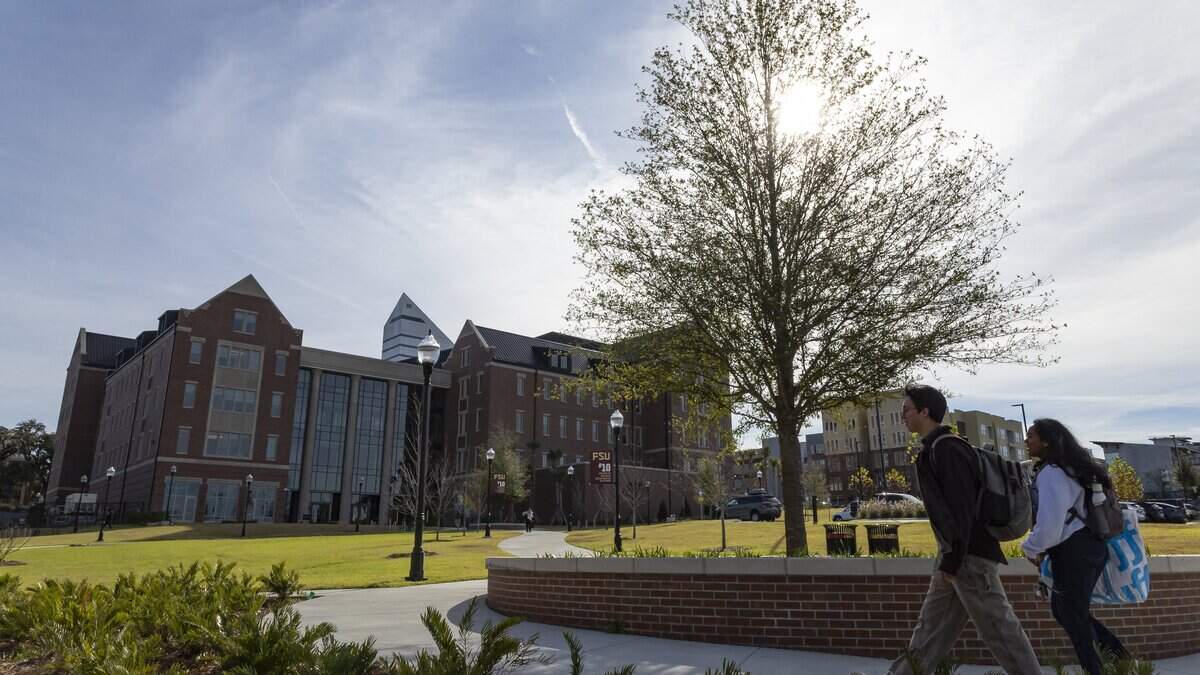
In April of last year, Alianna Grant was walking back to her dorm near the student union at Florida State University when she made eye contact with a young man who would fire three bullets into her chest, stomach and finger.
Read more Stars, stripes and shopping carts: What Americans buy for the Fourth of July in Florida
Wearing an AirPod in one ear, she managed to tell her iPhone to call her mother in Miami.
“I could see I was bleeding,” said Grant, who was rushed off to a Tallahassee hospital for surgery. “They had to remove my spleen.”
Grant, 22, who graduated with a media communications degree last month, said she’s still living with the physical and psychological trauma of that spring day, when an FSU classmate fatally shot two people and injured her and six others around the school’s student union.
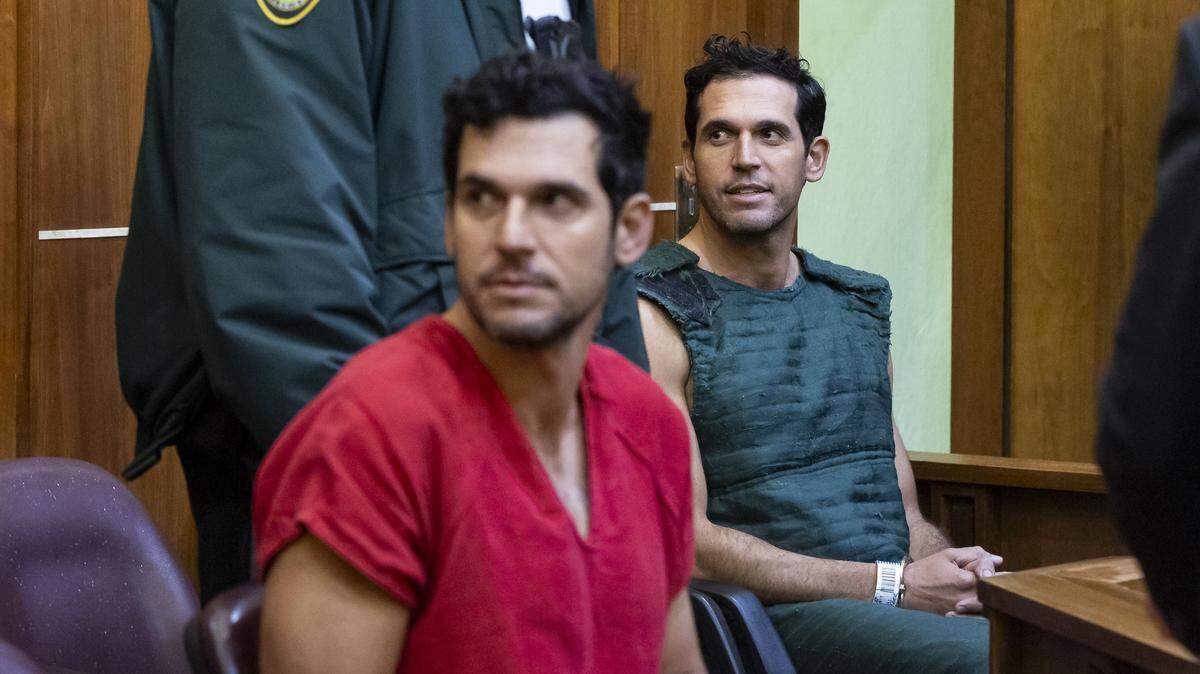
Grant not only blames the alleged gunman, Phoenix Ikner, who has been charged in the mass shooting and awaits trial in October. She also faults the tech behemoth OpenAI for allegedly guiding him with its artificial intelligence chatbot right up until the campus shooting around 12 noon on April 17, 2025.
She filed a negligence and product liability suit against OpenAI and CEO Samuel Altman on Thursday, marking the second individual legal action brought against the San Francisco-based company stemming from the FSU shooting. The Florida Attorney General’s Office has also launched a criminal investigation and pursued a civil action against OpenAI and ChatGPT.
In her suit, which asks for damages in excess of $50,000, Grant claims that OpenAI and its related companies “actively aided” Ikner, 21, the son of a Leon County sheriff’s deputy.
“ChatGPT and the Defendants were Ikner’s confidants and accomplices when they helped him research school shootings, which prison he would end up in after, how many people to kill to get the most media attention, the busiest times on campus, and finally, how to operate his firearms in the minutes before the school shooting,” Grant’s 34-page suit says.
The suit — filed in Leon County Circuit Court by Miami attorneys Judd Rosen, Brett Rosen and Kathy Ortega — claims that the year before the shooting, “ChatGPT was an active participant that referenced, validated, and built upon Ikner’s prior disclosures in each new conversation. Every warning signal Ikner disclosed became part of a growing profile that ChatGPT held but never acted upon.”
“Notwithstanding this accumulating profile, ChatGPT failed to flag Ikner as a risk, did not redirect him to mental health resources in any sustained or meaningful way, and did not alert any person or institution,” the suit says.
In a statement, OpenAI said the mass shooting at FSU was a tragedy but denied any wrongdoing, saying “ChatGPT is not responsible for this terrible crime.”
“After learning of the incident, we identified an account believed to be associated with the suspect and proactively shared this information with law enforcement,” the statement said. “We continued to cooperate with authorities.
Read more Arrest made in Broward McDonald’s shooting that wounded father and daughter
“In this case, ChatGPT provided factual responses to questions with information that could be found broadly across public sources on the internet, and did not encourage or promote illegal or harmful activity.”
But Grant’s attorneys said OpenAI, valued at $852 billion, did not use any safeguards in its AI chatbot to prevent the FSU gunman from carrying out his violent campus assault.
“It’s a superman computer that’s being used for evil purposes,” Judd Rosen told the Miami Herald. “They are not off the hook if they turned a blind eye.”
Both Alianna and her mother, Valerie Grant, who frantically drove up to Tallahassee on the afternoon of the FSU shooting, said during an interview with the Herald that they were “very disappointed” to learn after the tragedy that ChatGPT played a role in guiding the gunman.
“That was his assistant … it helped him,” Valerie Grant said. “Alianna was his first victim. … I didn’t know if she was going to be paralyzed. I was terrified. I didn’t have peace for months. Her life changed that moment.”
According to Grant’s suit, “Ikner’s queries [to Chat GPT] escalated into unmistakable pre-attack research,” including how to use certain firearms and ammunition and as well as the FSU campus as a hypothetical target.
Ikner, for example, asked the AI chatbot: If there was a shooting at FSU, how would the country react? ChatGPT responded: “If there were a shooting at Florida State University, the reaction across the country would likely follow a pattern seen with other high-profile mass shootings, especially at schools or universities.”
Ikner also queried ChatGPT about the peak hours of foot traffic at the FSU student union, according to the suit. ChatGPT responded: “The Florida State University student union experiences its busiest periods during weekday lunchtimes, typically between 11:30 a.m. and 1:30 p.m. This surge in activity is due to students gathering for meals, socializing, and attending events.”
Minutes later, Ikner opened fire at 11:57 a.m., the suit says.
Alianna Grant said she was able to complete her FSU bachelor’s degree with assistance, including a notetaker, and other accommodations. In the fall, she’s going to pursue a master’s in public relations and communications at the University of Florida.
Despite her recovery, Grant said she’s still carrying the scars of that day.
“I look in the mirror and I see the wounds,” she said. “It’s a hard pill to swallow.”
Read more After the quakes, Venezuela’s socialist regime faces political tremors







Post Comment