Seven questions for Miami-Dade’s District 5 County Commission candidates
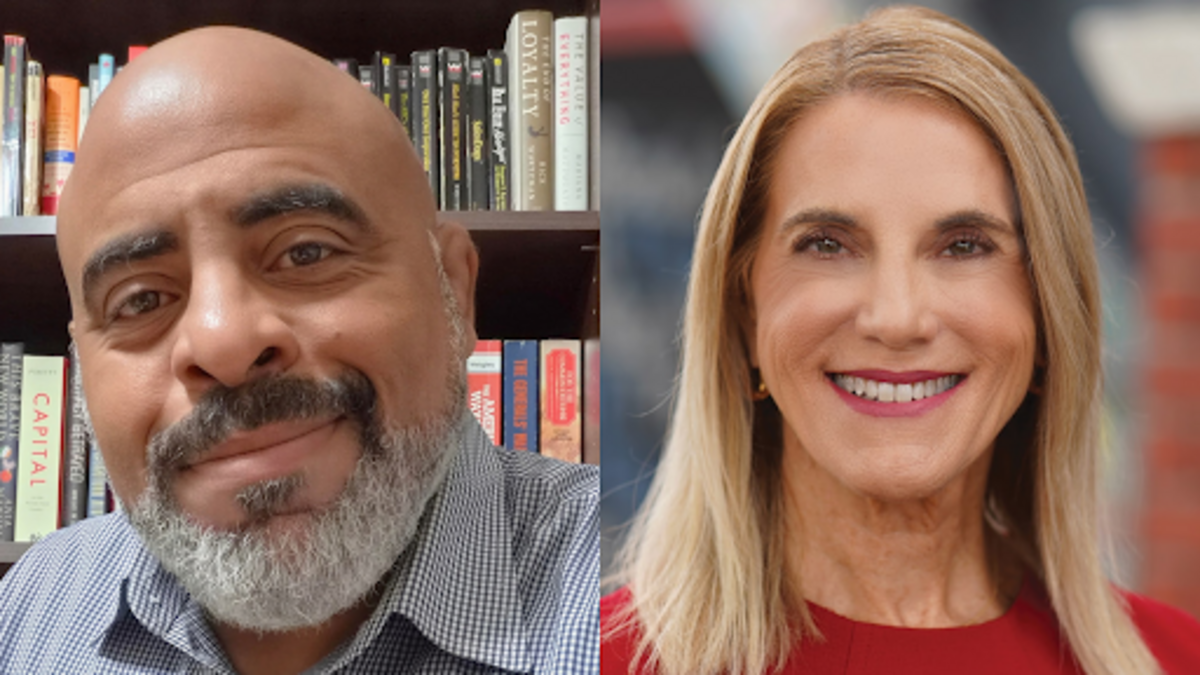
Of the eight Miami-Dade commissioners who faced an election this year, only one will be on the November ballot: Vicki Lopez, a former state lawmaker who was appointed to the District 5 seat in November 2025.
Read more How will Carnegie Mellon change Wynwood? Housing and transit at a crossroads
The Republican is running in an officially nonpartisan race, but there’s no doubt party loyalty is a factor in the contest between Lopez and Democrat Rob Piper for a county seat representing parts of Miami and Miami Beach. Despite spending far less than his two opponents, Piper beat out a former Miami city commissioner, Republican Joe Sanchez, and finished second in the August primary, while Lopez fell short of the 50 percent needed to avoid a runoff.
That set up the Election Day showdown between Lopez and Piper in a year when seven other sitting commissioners either ran unopposed or avoided runoffs in August by clearing the 50 percent threshold.
Piper, 54, is a retired Marine who previously ran for the Miami City Commission. Lopez, 68, works as a nonprofit consultant and served for nearly four years in the Florida House before a bipartisan group of commissioners appointed her to the District 5 seat that Eileen Higgins vacated last year for her successful run for Miami mayor. In the 1990s, Lopez served on the Lee County Commission before a 1997 conviction on honest services fraud charges that was later ruled invalid by an appeals court.
Where do the candidates stand on the issues? The Miami Herald gave both candidates the same questionnaire. Here is a truncated version of their answers:
Q: President Donald Trump plans to build a high-rise presidential library and hotel in downtown Miami. As District 5 commissioner, what would be your position on that development if it falls under county jurisdiction?
Lopez: It is foolish to think the project wouldn’t negatively impact our downtown constituents, and if the project does move forward, it deserves extensive scrutiny without bypassing any jurisdiction for permitting review and approvals.
Piper: I personally spoke out against Miami Dade College giving that land away to Trump. My opposition hasn’t changed, because he made it clear in his public statements that this development will hardly be a library (if at all). Even further, he should not be permitted to become wealthier off this free land when Miami-Dade residents continue to struggle, and as commissioner, I will use any legal and/or political tools available to ensure this does not happen.
Q: What is your position on the Baylink transit connection between Miami and South Beach? Should a rail system be built?
Lopez: We must invest in transit that expands mobility. The water taxi is a great example of connecting Miami and Miami Beach. We should also explore rail along I-195 [the Julia Tuttle Causeway] offering a direct line between the airport, Mt. Sinai and the Fontainebleau, two of Miami Beach’s largest employers, to serve employee transit. Traffic gridlock is suffocating our residents, so we must move on transit corridors, and including the community in that conversation is paramount.
Piper: To reduce traffic gridlock on the MacArthur, my position is the option that is most cost-effective, least environmentally damaging, that best enhances quality of life across the board should be implemented. If that is a rail system, then it should be built. If dedicated bus routes, ferry system, etc. meet this criteria, one of those should be implemented. I am not a transit expert or city planner, but I can guarantee that my definitive position will be informed by facts and not speculation.
Q: Would you lobby the Florida Legislature to make any changes in the Live Local Act?
Lopez: Absolutely. I did this past session and will again in 2027. Florida’s housing crisis demands bold action, but one-size-fits-all doesn’t work, and efforts to strip local power must stop. The law lets developers bypass rezoning hearings, planning commissions, and community review entirely. Little Havana, South Beach and Shenandoah deserve a voice in how they grow. That’s why I worked with [Miami Beach] Commissioner Alex Fernandez on 2026 amendments. Affordable housing and community input can coexist.
Piper: I would lobby to repeal it! A one-size-fits-all approach for hundreds of Florida municipalities to solve affordable housing was never a good idea. Miami-Dade has plans for affordable housing and did not need this state interference. Even worse, Live Local does nothing to make housing affordable. It saturates the market with an over-supply of unaffordable units, attracting wealthier transplants and corporate landlords that further drive demand and increase home prices.
Read more How much are you paying for gas in South Florida? Check your area for changes
Q: Should Metromover charge a fare in order to generate more dollars for the county’s bus system?
Lopez: The Metromover is an example of how transit works well in a neighborhood by allowing Brickell and Downtown residents to be interconnected. I have asked the transit department to review usage among visitors and identify a path forward where local residents can continue using the system as is, while visitors and tourists are charged.
Piper: No way! There are ways to generate dollars for the bus system that don’t involve making transit less affordable for residents that use the Metromover as part of their travel to and from work.
Q: What should Miami-Dade do about its waste incinerator? Does it need to be rebuilt?
Lopez: There is no question that Miami-Dade has a growing waste problem and how to address it for the long-term is mission critical. We need to embrace environmentally sound solutions that ensure we can process waste now and in the future. Countries around the world have identified innovative solutions, and Miami-Dade must study those as viable paths forward.
Piper: It should not be rebuilt. Miami-Dade needs to continue moving toward its Zero Waste Master Plan and start taking a deliberate turn from the false choice of incinerator or landfill. The county should be working more to reuse and recycle, as well as starting a countywide compost pilot program (similar to what the city of Miami is doing). The land where the incinerator sat before the fire should be repurposed for another use.
Q: Under what conditions would you vote to expand the Urban Development Boundary?
Lopez: My voting record shows that I have voted against expanding the UDB and should be protected at every juncture as our natural resources cannot be recovered once paved over them. Our Everglades are part of our ecosystem, and building outside the UDB only puts it at greater peril.
Piper: NONE! The UDB was implemented to prevent urban sprawl from consuming natural lands, wetlands and agricultural areas. Since its implementation, it has been expanded dozens of times. If we are not going to enforce it, why do we even have it!
Q: Do you think Miami-Dade commissioners are paid enough for their jobs? Do you support the ballot item authorizing a panel to set commission salaries?
Lopez: I believe in public service, and I am honored to serve because it’s my opportunity to do great things for the community I love deeply. Our work as public servants should never be about pay. I trust the voters to make an informed decision — all I can do is show up every day and do the work on behalf of the community that has entrusted me to be their county commissioner.
Piper: I don’t support the ballot item authorizing a panel to set commission salaries because a) it takes voters out of the decision process, and b) I’m concerned whether the panel will exercise true independence long term. I would support a process that has an independent panel recommend a salary increase every two to three years for voter approval. I would also make the commissioner job accessible to more residents by creating institutional knowledge that can be used to make effective commissioners.
Read more Google is bringing 500 free tech certifications to Miami. What to know











Post Comment