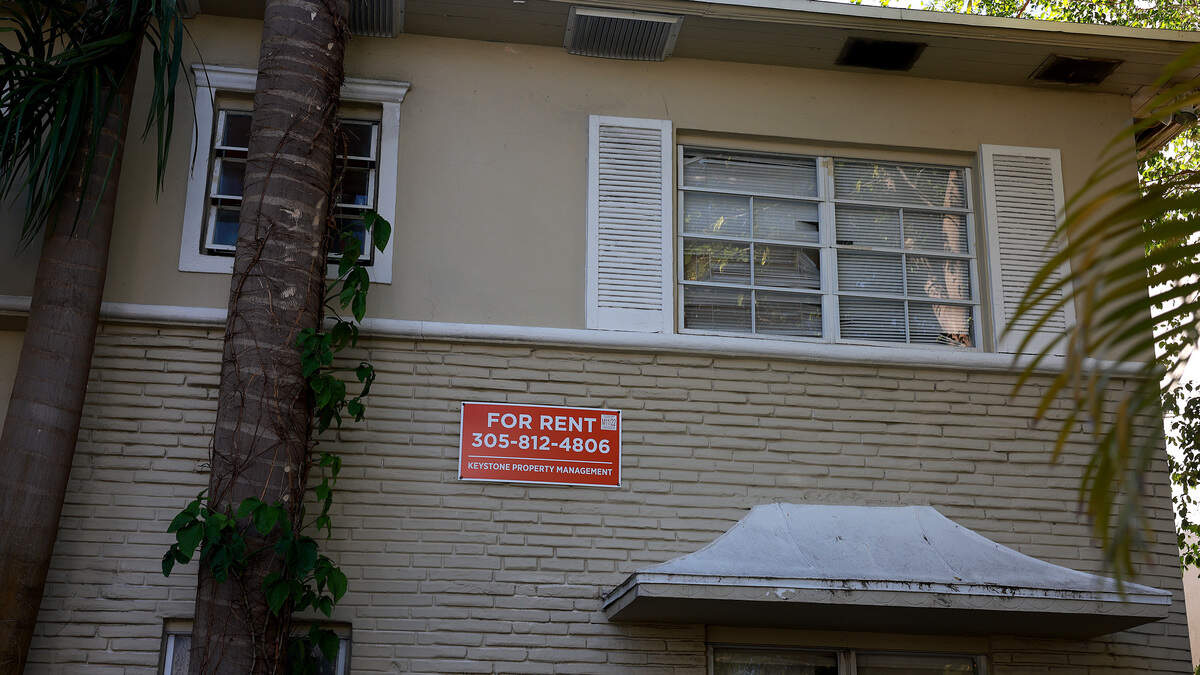
It now takes a $97,000 salary to afford a two-bedroom in Miami
Miami-area minimum-wage workers need to clock north of 130 hours a week to afford housing — at least if they want a two-bedroom.
Read more Looking into cosmetic surgery? Here’s how to research a doctor or surgeon
An average two-bedroom apartment in the Miami metropolitan area costs roughly $2,440 a month, according to data from the Department of Housing and Urban Development. To comfortably afford that unit, someone would need to earn roughly $47 an hour, or $97,000 a year — well above Florida’s $14 minimum wage, a new report from the National Low Income Housing Coalition shows. HUD considers housing affordable if it doesn’t cost more than 30% of your monthly paycheck.
In only one part of the Sunshine State is it more expensive to live: the Keys, where Monroe County’s “housing wage” — what you need to earn to comfortably afford housing — is more than $48 an hour.
The median Miami-area worker earns $32.30 an hour, according to the most recent data from the Bureau of Labor Statistics, slightly below the nationwide average of $33.54.
Florida’s minimum wage is $14 an hour, and, at that rate, someone would need to log roughly 134 hours a week — the equivalent of 3.3 full-time jobs — to affordably cover rent on that two-bedroom.
Florida’s bad, but Miami’s worse
The picture across Florida looks almost as bad as it does in Miami. Statewide, the housing wage for a two-bedroom is $37.93 an hour — the 10th-highest of any state in the country, according to the coalition’s report.
Someone pulling the state’s minimum wage would have to put in 108 hours a week, roughly 2.7 full-time jobs, to afford a two-bedroom. An affordable one-bedroom costs a minimum-wage-earning Floridian 91 hours, or 2.3 jobs.
Read more Haitians get a brief reprieve on end of TPS: Friday is no longer the last day
Nearly 2.8 million workers in Florida’s most common occupations earn below — and, in many cases, well below — that housing wage.
More than 455,000 earn within a dollar of the minimum wage, according to data from United Way, and nearly four times that number earn less than $20 an hour.
And while affordability is an acute issue across Florida, Miami-Dade feels it most intensely. About 56% of all households in the county are struggling to make ends meet.
Soaring housing costs and low wages are largely to blame. HUD’s fair-market rent for a Miami-area two-bedroom rose from $1,454 in 2019 to $2,324 in 2024 — a nearly 60% jump. Median household income in the region grew just 34% over that same stretch.
The squeeze is already changing who lives here. Miami-Dade lost roughly 10,000 residents last year — an exodus that experts say skews young.
This story was produced with financial support from supporters including The Green Family Foundation Trust and Ken O’Keefe, in partnership with Journalism Funding Partners. The Miami Herald maintains full editorial control of this work.
Read more Coral rescue efforts ramp up in Miami as researchers fear another deadly hot year












Post Comment