Hialeah ALF shut down after resident stops breathing; no one calls 911, state says
Deprived of heart medication for three weeks, the resident of a Hialeah elder care home stopped breathing on Sunday. Life-saving CPR, the use of a defibrillator or even a “timely” call to 911 might have kept the man alive.
Read more Miami shatters high temperature record — and could feel like 110 degrees
But state health regulators say none of those things happened.
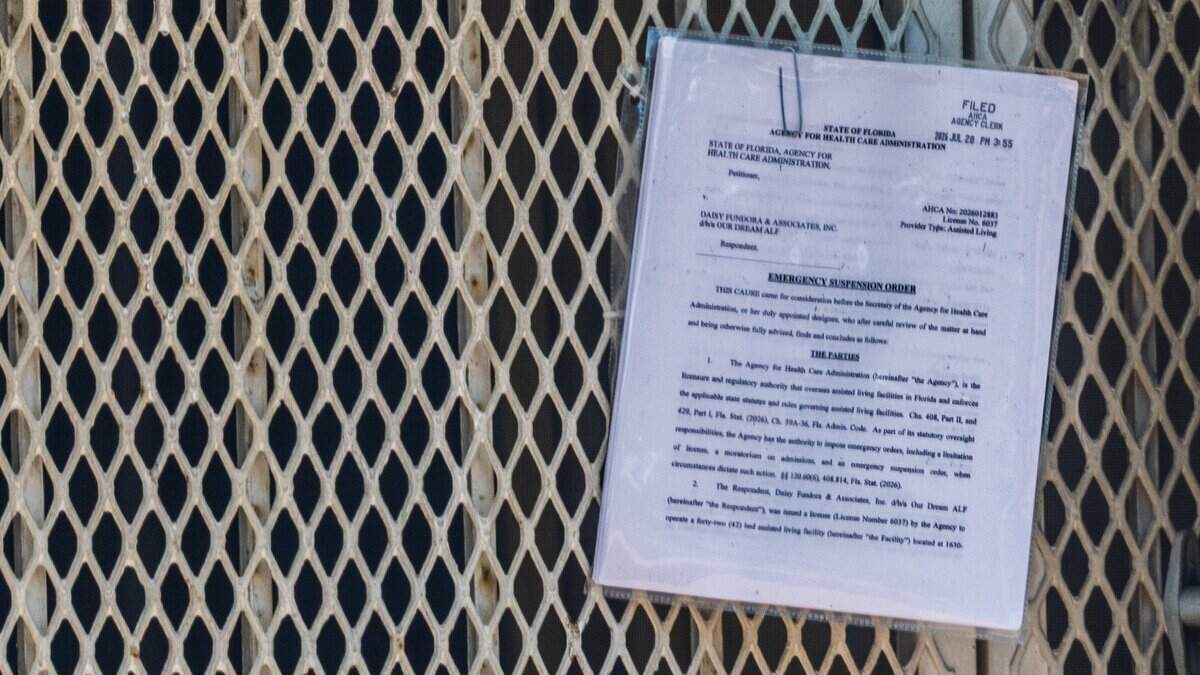
Citing the man’s death and other “failures,” the Florida Agency for Health Care Administration filed an emergency order Tuesday shutting down Our Dream ALF, a 42-bed home on Palm Avenue in Hialeah. The facility is licensed to house people with chronic mental illness, and had 26 people living there earlier this week.
The emergency suspension order, signed July 28 by AHCA Deputy Secretary Kimberly Smoak, demands the home’s closure by 5 p.m. Friday.
“Resident care standards are virtually non-existent,” the AHCA order said. “This lack of urgency during medical emergencies is a cause of great concern for the care of residents and places residents at risk of harm that is likely to reoccur.”
Our Dream’s owner, Maria Daisy Fundora, did not respond to Herald calls to the facility or to a cell phone.
ACHA officials did not respond to the Herald’s queries.
Unused meds found in shower
In one of the order’s most striking findings, inspectors said they found medication for 19 residents unused in a bin in the administrator’s bathroom shower — including four months worth of medication for one resident who was hospitalized three times.
Medication records “erroneously and incorrectly indicated that these medications were provided to the nineteen residents as prescribed by their health care providers rather than the reality that the medications resided unused in a bin in the administrator’s office,” the order said.
Closures at facilities such as Our Dream are rare — especially homes that provide care for people with behavioral health challenges. Community mental health agencies rely heavily on ALFs to house clients who often can not live independently.
Our Dream’s license expired last January, records show, though it is common for ALFs to continue to operate as state health administrators review their licenses, sometimes for months, before they are renewed. State records list 643 assisted living facilities across the state whose licenses are listed as “in review.”
‘Alone in a pool of blood’
Health inspectors visited the home July 20, as part of a routine relicensure survey, the order said. Their findings and observations are included in the 34-page order, which was attached to a gate outside the home Thursday, as the order requires.
Inspectors faulted the home for the care rendered to another client, identified as “Resident 1,” who needed help with bathing, dressing, medication and “self care” in general. Resident 1 suffered two falls: One on March 26, that sent the resident to the hospital bleeding, with a facial abrasion and contusion and a closed head injury, the order said.
Following a second fall, on April 20, the resident was found “alone in a pool of blood.” The resident suffered a kidney injury, dehydration and low blood pressure.
Read more Planning a weekend trip? Gas prices have dropped in Florida. Check your area
A doctor prescribed a diabetes drug and ordered that the resident be seen by a kidney specialist within two weeks. But neither of those things happened, either.
Three weeks later, the resident — the order provides no details, including gender — was back at the hospital with an “altered mental status,” high blood sugar and other ailments. The resident remains hospitalized, the order said.
“When asked why the facility failed to update medications and dosage changes when residents returned to the facility after discharge from hospital stays, the [home’s] administrator stated that she “had a lot to do and hadn’t gotten around to it.”
Patient not given medication for weeks: state
“Resident 2” underwent “multiple hospitalizations…due to irate behavior, verbal aggression, disorganized thinking, or hallucinations.” But like Resident 1, the client had not been given medication for several weeks. Records showed the resident asked to be hospitalized after hearing voices.
The order accused the home of ignoring doctors’ orders for therapeutic diets, such as reduced sugar for people with diabetes. During an early-morning visit on July 22, inspectors documented that all residents were served corn flakes with milk, toast, and café con leche for breakfast, regardless of their dietary needs.
During another visit that week, inspectors asked to see the home’s power source for use during an electrical outage. They found two generators inside the home, with items “piled on top.” The generators didn’t work.
And when inspectors toured the home on Sunday, they found the temperature inside bedrooms and common areas at between 82 and 85 degrees. “Residents have the right to live in ambient temperatures at or below eighty-one (81) degrees,” the order said.
The order’s most disturbing findings detailed the death of an elderly man on Sunday. Said the order: “Staff members failed to perform CPR appropriately, failed to use the automated external defibrillator (AED), and failed to contact 911 for emergency medical services in a timely manner for the resident who passed away.”
The resident had been prescribed two heart medications 20 days before his death, including one, the order said, intended to treat high blood pressure and reduce the risk of stroke. “Neither medication was filled or provided to the resident,” the order said.
“Conditions at [Our Dream] constitute an emergency that must be immediately addressed by the agency to protect residents and potential residents from the immediate threat and danger posed to their health, safety, and welfare,” the order said.
Miami Herald staff writers Veronica Egui Brito and Sofia Saric contributed to this report.
Read more As Alaska’s soil thaws, Florida will flood more. But will it matter how much?









Post Comment