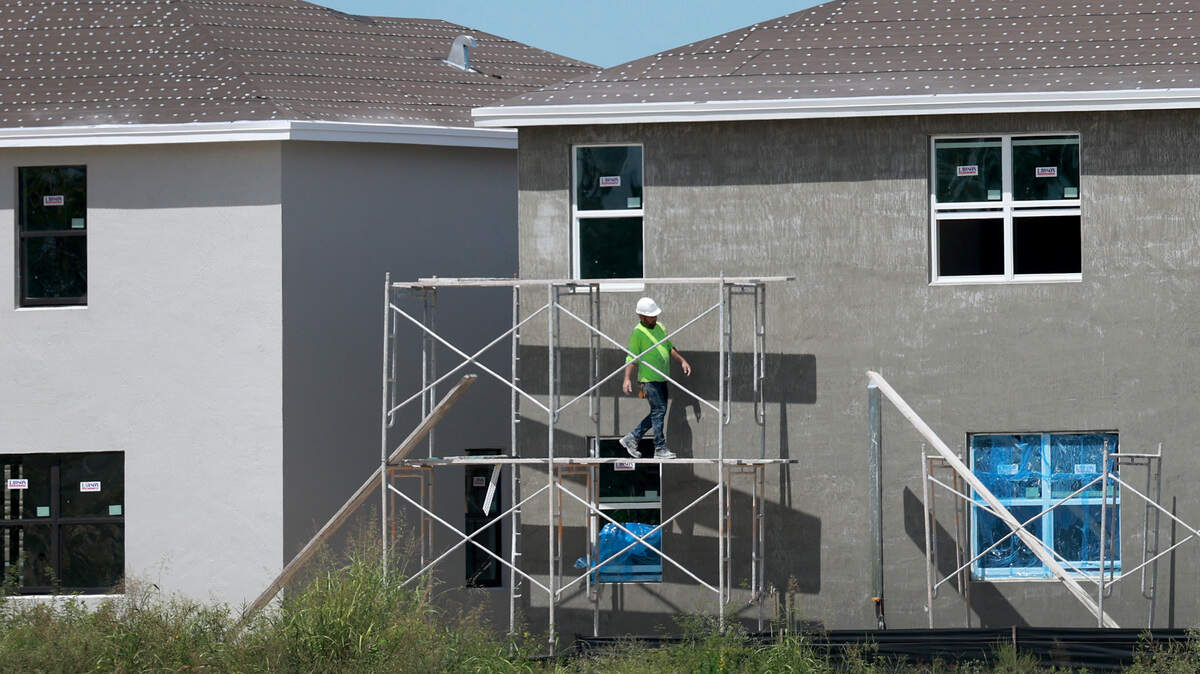
Congress passed a massive, bipartisan housing bill. What it means for Florida
The 21st Century ROAD to Housing Act became law last month without President Donald Trump’s signature — and without the support of some big names from Florida’s congressional delegation.
Read more South Florida toddler dies after getting head stuck in kitchen playset, cops say
Of the bill’s 32 House opponents, six were Florida Republicans, including Byron Donalds, who is running for governor. Sen. Rick Scott was one of five senators — all Republicans — to vote no.
But it became law anyway, and with an uncommon degree of bipartisan support. The bill, championed by Democratic Sen. Elizabeth Warren of Massachusetts and Republican Sen. Tim Scott of South Carolina, provides no new federal funds to build housing. It does, however, cut red tape that proponents say stymies building. It also unblocks existing funding — be it through current federal programs or private pockets — that could be key to easing supply constraints.
The law has 60 sections, but a few will be particularly important for Florida, and South Florida especially, said Alexander Miles, associate director of state and local policy for the Southeast at Enterprise Community Partners, a nonprofit that works to increase housing supply and quality.
READ MORE: Congress passed the most ‘significant’ housing law in decades. What’s in it?
Disaster repair funds at the ready
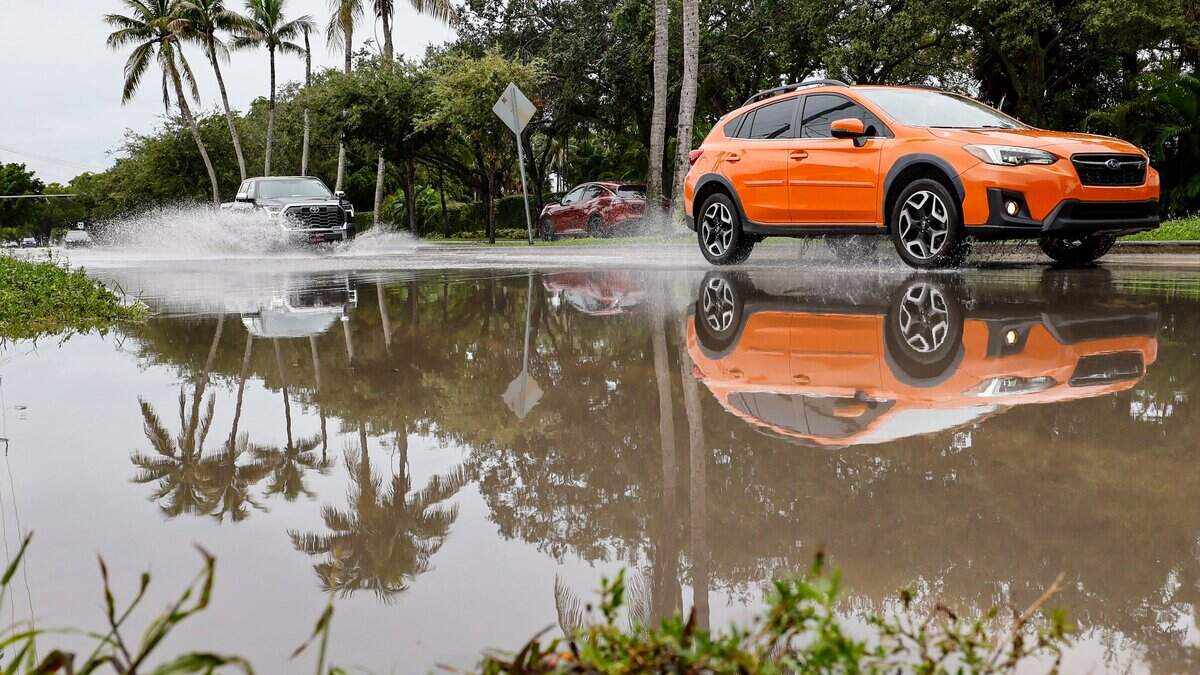
Between 1980 and 2024, Florida averaged just over two billion-dollar weather disasters each year. But as climate change has caused more frequent extreme weather events, that yearly average jumped to nearly seven between 2020 and 2024, and then 11 in 2024 alone, according to data from the National Oceanic and Atmospheric Administration. Such disasters have caused nearly $200 billion in damage in the five years from 2020, NOAA data shows.
The government’s main source of long-term rebuilding money — a HUD program known as Community Development Block Grant-Disaster Recovery — had never been permanently authorized. Each time a disaster hit, HUD had to rewrite the program’s rules from scratch and get congressional approval before dispensing rebuilding money to hurting communities.
The new law gives the long-term disaster recovery program a three-year home at HUD, meaning Washington will, theoretically, be quicker to help rebuild communities impacted by disasters.
“Because of the frequency and costliness of these events, we need Congress to be prepared to act immediately,” said Miles, who called for the disaster recovery program to be made permanent.
Getting Section 8 units cleared faster
When Miami-Dade opened its Section 8 waitlist five years ago, 96,000 people applied in two weeks — 35,000 on the first day — for just 5,000 spots.
But even those lucky few who received vouchers weren’t guaranteed housing. Nationally, about 40% of recipients don’t get to use their vouchers. In Miami-Dade, that number is slightly lower — three in 10 voucher recipients never find their way into a home, according to .
Read more Next steps for Haitian Americans as TPS ends
Section 8 vouchers typically expire between 60 and 120 days after they’re issued. But the median search time for successful placements is around 78 days, meaning many voucher holders simply don’t have time to find a place.
HUD’s inspection requirement is part of the reason the Section 8 house hunt takes so long, said Miles. Before a voucher-holding household moves into a home, the local housing agency has to inspect and approve the unit. And given the choice between renting the place right away to someone who doesn’t have a Section 8 voucher and waiting days or weeks for an inspector to come approve their unit for a voucher recipient, many landlords will understandably choose the former.
The new housing law seeks to fix that. It lets landlords who’ve never rented to voucher holders schedule inspections ahead of time, so the unit is approved before a tenant picks it. Units already approved in the past year under other federal housing programs don’t need to be reinspected.
“I see that as a major plus for helping to open up housing in South Florida,” said Miles.
So why did some Florida Republicans say no?
Part of the issue was politics — and timing. The housing bill coincided with Trump’s push to pass the SAVE America Act, a proposed voter ID law that passed the House but is stalled in the Senate.
Donalds, along with Florida Republican Reps. Anna Paulina Luna and Randy Fine, had signed a letter in March pledging to block any Senate-passed legislation until the upper chamber backs Trump’s voting law. Trump withheld his signature from the housing bill for the same reason. The housing bill’s other Florida opponents included Reps. Greg Steube, Kat Cammack and Aaron Bean, all Republicans.
Meanwhile in the Senate, where the housing bill was born, Scott seemed to resent that he never got a vote on his proposed amendment requiring Congress to receive an annual report on how the 21st Century ROAD to Housing Act affects middle-income homeowners.
He also wrote on X that the housing bill “does NOTHING to deal with the actual roots of the problem,” arguing that many regulatory costs tied to building stem from local governments and are beyond Congress’s reach. He’s been pushing his own housing affordability measure, the American Dream Accounts Act, which would create tax-free savings accounts for first-time homebuyers.
Florida’s junior senator, Republican Ashley Moody, voted in favor of the housing bill.
This story was produced with financial support from supporters including The Green Family Foundation Trust and Ken O’Keefe, in partnership with Journalism Funding Partners. The Miami Herald maintains full editorial control of this work.
Read more Brightline owes $65M to company that could sell off its Miami retail space










Post Comment