Looking into cosmetic surgery? Here’s how to research a doctor or surgeon
Before seeking any cosmetic procedure, patients should do their due diligence on the practitioners they are trusting with their lives, South Florida medical malpractice lawyers advise.
Read more Haitians get a brief reprieve on end of TPS: Friday is no longer the last day
Don’t know where to start? The state of Florida offers several databases where patients can check on the histories of doctors and their practices. Although checking these sources before undergoing any cosmetic procedure doesn’t guarantee full protection, these sites can help you avoid practitioners with histories of harming patients.
Check medical license records
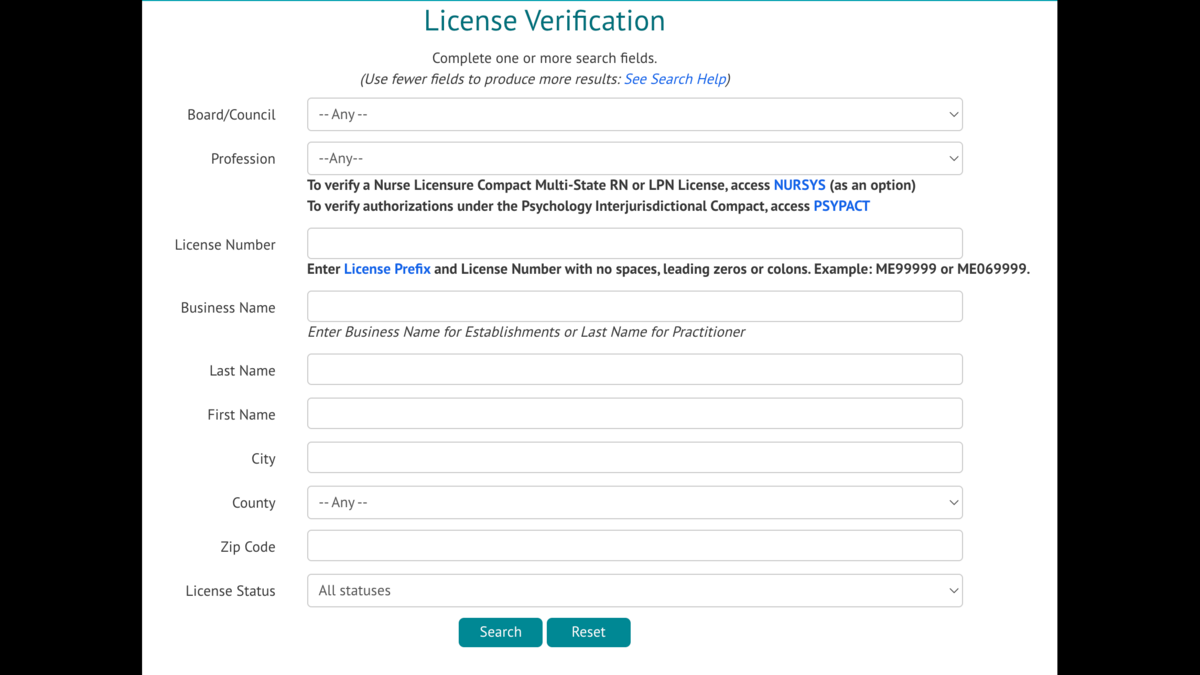
Patients can check the licenses of doctors and their disciplinary history within the Florida Department of Health databases.
Even if the Department of Health lists a person’s license as “Clear/Active,” check the Disciplinary/Administrative action tab of the profile. That’s where the health department will list previous actions it’s taken against a physician, including any complaints it’s filed against the practitioner.
To practice medicine in Florida, physicians must have a valid Florida medical license. While doctors that have studied in foreign medical schools can apply for medical licenses, they must have a state-issued license to administer any treatment in Florida legally.
READ MORE: He told patients he was a doctor. They’re still suffering from his procedures
Patients can also use the health department’s license database to research medical establishments. Search results will feature the specific procedures that clinics are licensed to perform. Any clinic, medical spa or cosmetic surgery center must have a Florida-licensed physician overseeing the practice.
Jorge Silva, a Coral Gables medical malpractice lawyer, said Florida regulations on this rule are quite loose. Even if a clinic has a physician or medical director listed in compliance with the law, its actual staff may be “ill-prepared, ill-trained or overworked,” and the director may be present only “sparingly.”
If the procedure the patient seeks requires additional measures such as anesthesia, check if the anesthesiologist has the proper certification to administer such care on the Florida Department of Health’s license database.
Check disciplinary records
Users can also go directly onto the health department’s Disciplinary & Administrative Actions page to search if the agency has disciplined a physician. You can search by the doctor’s name.
If a complaint or case number is available under the tab, click on it and read through the document to see the disciplinary record.
Administrative complaints and other disciplinary documents provide important details on the provider’s background and treatment history that could be crucial in your decision on whether to seek their services.
Patients should also keep in mind that plastic surgery practices can and will change their names following patient deaths or court cases, so they may not always show up in the portal under their new names.
Look through a clinic’s social media accounts to check whether it has undergone a name change.
Check court records
While considering a practitioner or their practice in Miami-Dade County, patients can search through civil cases and criminal records at the Miami-Dade Clerk of Courts website.
Broward and Palm Beach counties also have Clerk of the Courts websites that patients can navigate if the practice is based there.
Read more Coral rescue efforts ramp up in Miami as researchers fear another deadly hot year
If a practitioner has been sued for negligence, their case will show up in the “Civil, Family and Probate Courts Online System” section of the site. To search for whether a practitioner or business has been involved in a lawsuit on the Miami-Dade site, search their name in the “Party Name” tab.
The complaint, often at the bottom of the Dockets section, will list the allegations the practice or practitioner has been accused of. Other documents in the Dockets section can include details of how the practice responded to such allegations, and the case’s status.
Criminal cases of medical malpractice will appear in the “Criminal Justice Online Case Search,” section of the Miami-Dade Clerk of Courts website. Users can search for practitioners in the “Defendants” section to check if they have been criminally cited or prosecuted for any form of malpractice.
Check board certification
Many clinics say their surgeons are board-certified, but this is not always the case. Often, when advertising board-certification, practices are referring to the American Board of Plastic Surgery, which since 1937 has issued certificates to surgeons who’ve passed “comprehensive written and oral examinations covering all plastic surgery procedures.”
The certificates are valid for 10 years, but practitioners can have their licenses suspended or revoked if they have faced state medical board action or other disciplinary measures.
Patients can search if their surgeon has been certified by the certification, license and complaint database of the American Board of Plastic Surgery. The search result will show the surgeon’s certification status, including whether their license is active, suspended or revoked.
Compare prices, read fine print, scrutinize payments
According to Silva, some unlicensed or underqualified clinics in South Florida will attract patients with lower prices.
“The way they get business is by selling very, very inexpensive services and then up-charging the patients at the ninth hour,” Silva said.
The American Board of Cosmetic Surgery offers a pricing calculator to estimate the cost of certain cosmetic procedures. If a practitioner requests payment through digital pay apps such as Zelle, Venmo or otherwise, that could mean they may not be adequately covered by insurance, making it more difficult for them to be held liable if a disagreement occurs after the procedure.
Practitioners must also administer informed consent forms before proceeding with any sort of treatment, under Florida law. Do not undergo or pay for any treatment before reading detailed documentation of the procedure.
Review social media posts
Social media platforms and patient reviews can be a useful tool before visiting for a consultation. However, many of these profiles are heavily manicured.
“If it sounds too good to be true, it is too good to be true,” said William Dean, a Miami medical malpractice lawyer.
Note the claims that practitioners and clinics make on their posts, such as the licenses and education they have obtained or whether they are board-certified. With the sites listed above, patients can check whether their statements are true.
If a patient finds a provider’s claims to be inaccurate, or that the practice or practitioner is not adequately licensed, they can file a complaint with the Florida Department of Health on its Complaint Portal.
Read more Can you take fruit from your neighbor’s tree in Miami? Here’s what to know










Post Comment