Cuba delivery platform linked to GAESA halts operations after U.S. sanctions
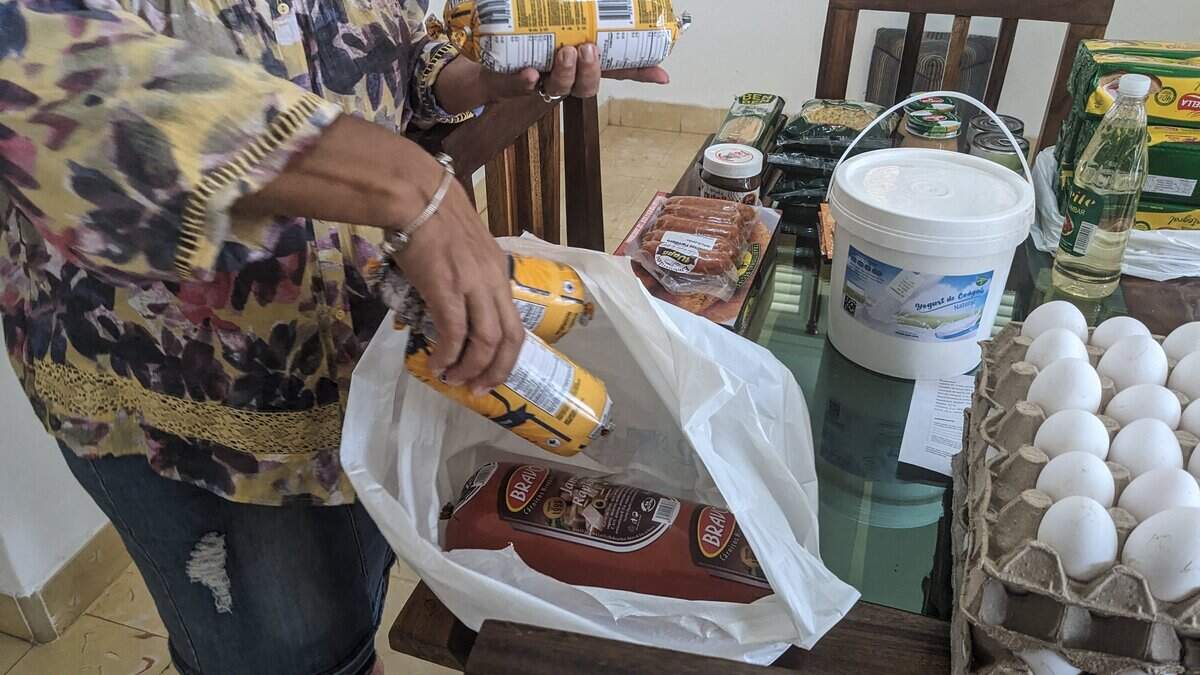
One of the largest online stores used by Cuban exiles to send goods to relatives on the island has halted operations, reducing options for families who rely on digital services amid Cuba’s deepening economic crisis.
Read more Miami-Dade school superintendent search draws leaders from across U.S.
EnviosCuba, a platform used to purchase food, household goods and other products for delivery in Cuba, said in a notice on its website that it could no longer continue providing services for “reasons beyond our control.” The company didn’t say whether the suspension is temporary or permanent, or what caused the decision. It said orders that had already been approved or were being processed would be delivered, and that its support team would remain available to handle questions and claims related to previous purchases.
The suspension affects one of the better-known platforms used by Cubans abroad to buy products online and have them delivered inside Cuba. Unlike traditional remittances, in which relatives send cash, services such as EnviosCuba allow customers outside the island to pay for specific goods — including food, toiletries, appliances and even cement — that are then delivered to family members in Cuba, where the median monthly income is less than $10.
EnviosCuba is linked to GAESA, Cuba’s military-run business conglomerate, which controls many of the island’s five-star hotels, its largest port at Mariel, its top commercial bank, supermarkets, gas stations and remittance businesses.
The business’ connection to GAESA is through CIMEX, the state retail corporation GAESA controls, and through foreign companies used to process online sales. According to CubaNet, CIMEX stores sold products through EnviosCuba, and some purchases were processed by companies registered in Palma de Mallorca, Spain, including Nactws SL, Lorengrave SL and Venta Online de Repuestos SL. Those companies are tied to members of the Graverán family, longtime operators of businesses serving GAESA’s e-commerce and remittance networks abroad.
The model allows Cubans overseas to pay from abroad for goods delivered on the island, creating a foreign-currency stream connected to GAESA’s retail network.
Read more Miami-Dade commission votes to seize PortMiami’s fuel yard in court fight
The decision comes weeks after President Donald Trump signed a May 1 executive order expanding Cuba-related sanctions, including against people and entities connected to key sectors of the island’s economy.
On June 6, Cuba announced that Visa and Mastercard transactions would stop being processed on the island. The Central Bank of Cuba said the interruption came after a foreign bank ended operations involving Fincimex, a Cuban financial company linked to GAESA and the sole entity that processed those transactions on the island.
EnviosCuba has not publicly said whether its suspension is connected to GAESA, U.S. sanctions, payment-processing disruptions or another issue.
The Miami Herald was unable to reach EnviosCuba. Two phone numbers listed on the company’s website, one based in Cuba and one in Toronto, were disconnected.
Other platforms used to send goods to Cuba appeared to remain active this week, including Supermarket23, Katapulk, Cubamax and MallHabana.
Read more Judge wins fight to open a Miami mental-health center as an alternative to jail











Post Comment