What’s causing all the rain in South Florida, and when will it end?
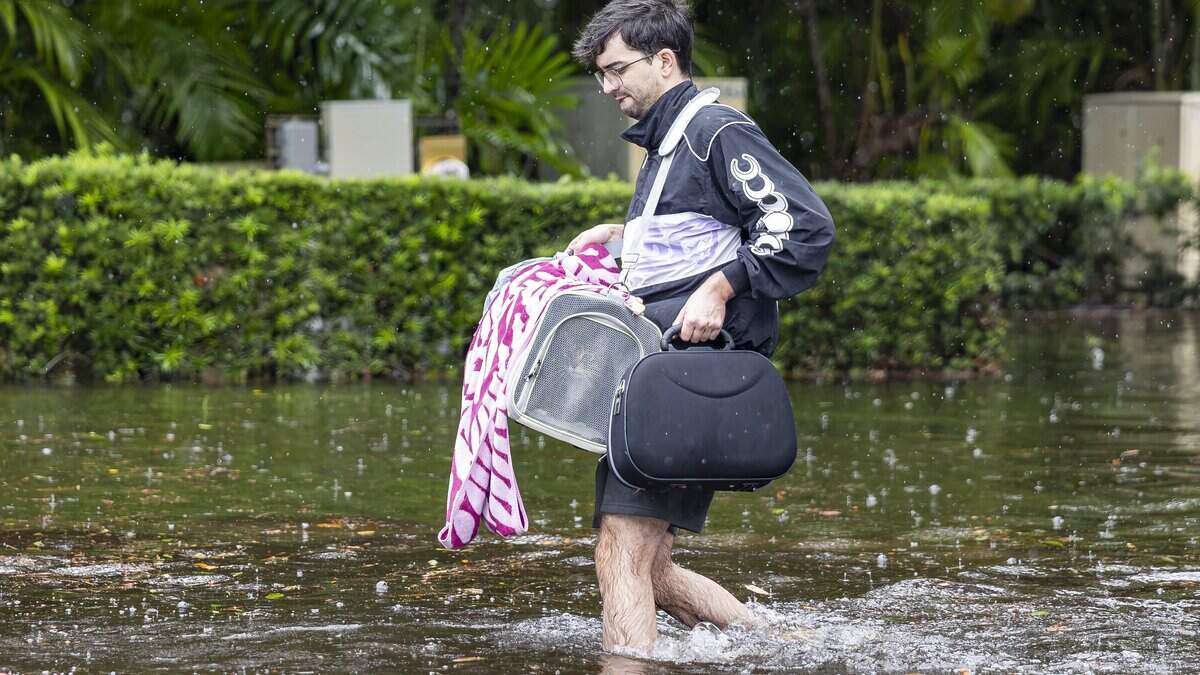
A low pressure system that started in Texas and made its way toward Florida is responsible for the massive rain and flooding impacting South Florida, the National Weather Service said.
Read more Florida makes massive jump in The Athletic’s latest FBS rankings
The bad news is that the system isn’t expected to move off the coast until Thursday and Friday, said NWS Miami Meteorologist Alejandra Garcia. These types of systems are common during El Niño years.
The constant downpours causing flooding, mostly in Broward County, are the result of an unorganized system of storms that began in Texas and moved to the coastal regions of South Florida with the Jet Stream, Garcia told the Herald.
Making matters worse, are strong offshore winds that are keeping the system on Florida’s east coast, Garcia said.
“It’s just sitting over us,” Garcia said.
READ MORE: Schools closed, roads swamped as a foot of rain floods Broward overnight
The National Weather Service said up to 15 inches of rain fell overnight between Tuesday and Wednesday, mostly centered over Hollywood. The severe weather led to power outages, delayed flights at Fort Lauderdale-Hollywood International Airport and a ground stoppage for some arriving flights at Miami International Airport. The MIA ground stop was lifted later Wednesday morning.
Read more Florida football returns to latest College Football Playoff rankings
School was also canceled in Broward County, and hospitals have canceled visitations due to heavy flooding across much of the area’s roadways.
Read more: More rain bombs? El Niño may deliver another drenching to South Florida this week
Forecasters promised a wet winter for Florida, thanks to El Niño, and Wednesday’s rain follows the trend.
Just two weeks ago, Broward and Palm Beach Counties — as well as Brevard and St. Lucie — were hit with up to 2 feet of rain in just a few days.
The floodwaters closed major roads, inundated tens of thousands of properties and even re-directed voters on election day to drier polls. Those “rain bombs” were typical of what forecasters expect to see in Florida during an El Niño year. State Climatologist Emily Powell told the Miami Herald last month that she expects about 40% more rain than an average year for this winter, kicking in around November or December and sticking around for a few months.
Read more FSU beats Ball State 85-71, Loucks calls effort ‘unacceptable’
Miami Herald reporter Alex Harris contributed to this report.
This story was originally published November 18, 2026 at 10:45 AM.









Post Comment