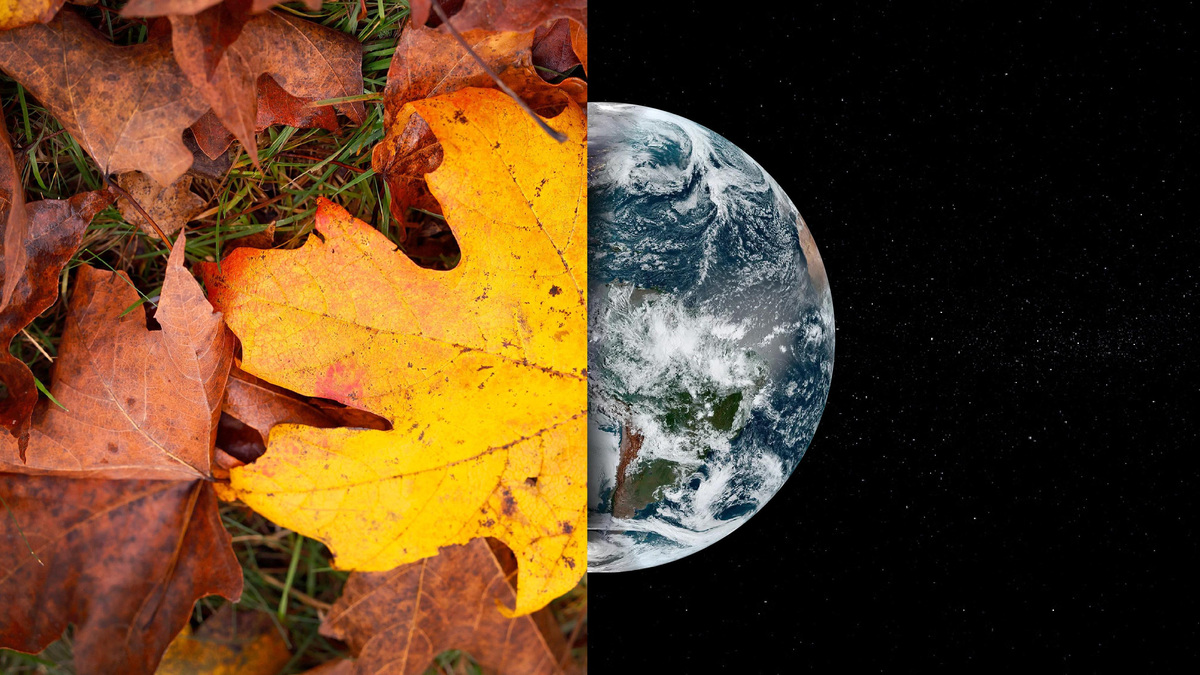
The fall equinox is coming. Dates, temperature changes
The long, hot days of summer are slowly beginning to fade to sweater weather, cooler temperatures and all things pumpkin spice.
Read more Why Florida’s drought is threatening more than lawns
The official start of fall is marked by the autumnal equinox. The word equinox comes from the Latin words “aequus,” meaning equal, and “nox,” meaning night, a nod to the nearly equal hours of daylight and darkness that occur on this day.
Seasonal shifts as the Northern Hemisphere transitions from summer to fall can vary from year to year, so the fall equinox is not always on the same day. Here’s why:
Fall equinox 2026: When does autumn officially begin?
Each September, typically on Sept. 22 or 23, the sun sits directly above the equator, signaling the start of the autumnal equinox.
This year, on Sept. 22, the center of the sun will be directly over the equator at 8:05 p.m. EDT, according to TimeandDate. In the Northern Hemisphere, the sun will appear lower in the sky, and the days will continue to grow shorter until the winter solstice on Dec. 21.
Unable to view our graphics? Click here.
What’s the difference between meteorological and astronomical seasons?
Fall has two start dates: Meteorological fall began Sept. 1, while astronomical autumn starts with the equinox at 8:05 p.m. EDT on Sept. 22.
According to AccuWeather meteorologist Peyton Simmers, “Meteorological fall is defined as the months of September, October and November. Meteorologists divide the year into four three-month seasons because this makes weather and climate statistics much easier to calculate and compare from year to year.”
Astronomical fall, by contrast, begins with the autumnal equinox as Earth continues its orbit around the sun.
Read more Behind the story: Michaela Galligan on Florida’s drought
“This equinox occurs as the sun crosses the celestial equator moving south since the Southern Hemisphere is moving into astronomical spring,” Simmers said. “Due to Earth’s orbit, these equinoxes and solstices can occur on slightly different dates each year.”
When can we expect those fall temperatures?
“The transition to cooler conditions will begin later this month across many areas of the United States. There can still be some warmups, particularly across the southern and eastern United States. In terms of when fall foliage will reach more into peak timeframes, areas in the northern U.S. to the Northeast will start to reach peak color during the first part of October and continue southward from there into early November,” Simmers said.
What’s the difference between an equinox and a solstice?
Equinoxes – when day and night are roughly equal – occur in September and March and mark the astronomical beginning of autumn and spring in the Northern Hemisphere, respectively.
Solstices occur in December and June, which mark the beginning of astronomical winter and summer, respectively. The winter solstice occurs when the sun is at its lowest point in the sky, and the summer solstice is when the sun is at its highest point in the sky.
Darker days are coming with fall and winter
For the next three months, until the winter solstice in December, the amount of daylight will continue to shrink each day.
SOURCE NASA, TimeandDate.com, AccuWeather and Sciencefocus.com
This article originally appeared on USA TODAY: The fall equinox is coming. Dates, temperature changes
Read more Saudi, Gulf stocks fall after Houthis claim Riyadh attacks
Reporting by Janet Loehrke, USA TODAY / USA TODAY
USA TODAY Network via Reuters Connect
Copyright Reuters or USA Today Network via Reuters Connect
This story was originally published September 20, 2026 at 4:00 AM.












Post Comment