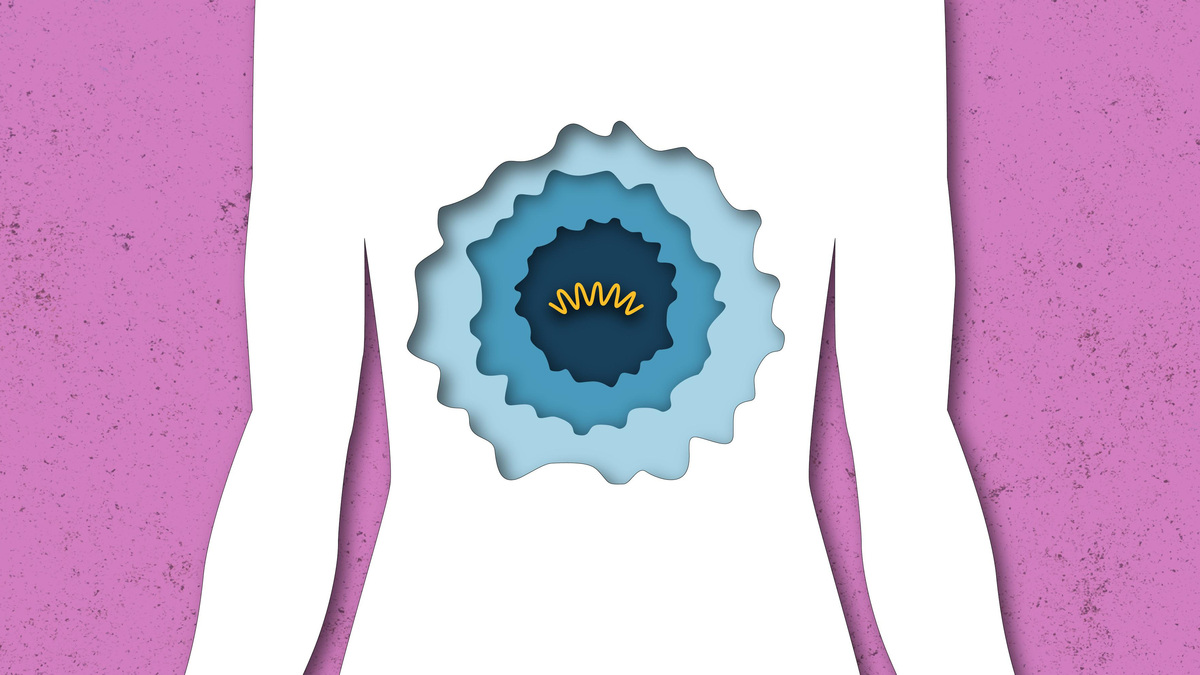
Personalized mRNA cancer vaccines offer new hope. We explain
An estimated 2.1 million new cancer cases will be diagnosed in the United States this year and an estimated 626 thousand will die, according to the American Cancer Society. However, there may be hope for future patients.
Read more Sarasota business leaders earn lifetime awards from Argus Foundation
Personalized cancer vaccines based on the same mRNA technology that brought COVID-19 vaccines to market in record time are showing promising results against certain cancers, despite conflicting signals from U.S. officials about mRNA’s technology, safety and potential.
At the forefront are Moderna and Merck, whose treatment combines a powerful immunotherapy drug with an experimental made-to-order mRNA cancer vaccine. Late-stage studies have shown success in directing the immune system to attack tumor-specific mutations.
“Personalized cancer vaccines are individualized therapies that train a patient’s immune system to recognize and kill cancer cells,” said Dr. Ryan Sullivan, Director of Cutaneous Medical Oncology at Mass General Brigham Cancer Institute. “These are very promising results that give hope to patients with melanoma and to the entire field of cancer vaccination.”
Unable to view our graphics? Click here to see them.
Researchers have been developing vaccines for melanoma, lung, breast, pancreatic, prostate, brain and other cancers. The vaccines are designed to help the immune system recognize tumor-specific markers and attack cancer cells while sparing healthy tissue. One study has kept melanoma at bay for five years.
How mRNA cancer vaccines train the body to fight cancer
Studies underway on personalized mRNA cancer vaccines are showing promise. The vaccine trains the immune system to recognize specific cancer proteins sort of like a “wanted poster” for your body to target the tumor cells for destruction. Here’s an example of how it works:
How effective are mRNA vaccines against cancers?
Despite a $500 million reduction in federal support for mRNA technology last year, researchers are reporting encouraging results from personalized cancer vaccines that may reduce the risk of cancer returning by 50%.
There have been three notable mRNA cancer vaccine studies and clinical trials: melanoma (skin cancer), which showed a reduced risk of cancer recurrence and spread; pancreatic cancer, which generated cancer-fighting T cells linked to extended remission; and brain cancer, which showed early signs of activating immune defenses against aggressive tumors.
Read more At flood-destroyed China-Nepal border, no sign of a once-busy port – Reuters witnesses
Personalized cancer vaccines are being tested in several clinical trials, Sullivan said. Patients with melanoma that had a high-risk of recurring were given vaccines and immunotherapy as treatments. Those patients saw the cancer spread less and fewer cases of recurrence than those that did not receive the vaccine, Sullivan said. “These results give hope to patients with melanoma but also the entire field of cancer vaccination.”
What’s next for nRNA research?
Researchers have conducted more than 120 clinical trials of mRNA cancer vaccines since the early 2000s, investigating their potential against numerous cancer types.
Cancer vaccine research is advancing rapidly, according to the American Cancer Society. Scientists are developing better methods to identify tumor targets, including those based on mRNA technology, that can help the immune system more effectively recognize and destroy cancer cells. Researchers are also exploring combinations of cancer vaccines and other treatments, such as checkpoint inhibitor immunotherapy, to strengthen the body’s anti-cancer response.
According to the Cancer Research Institute, “As exciting as these findings are, there is still much to learn.” Developing and bringing an mRNA cancer vaccine to the public can take 10 to 15 years.
Sources: Mass General Brigham Cancer Institute, Reuters, The New England Journal of Medicine, National Institutes of Health, National Cancer Institute and The American Cancer Society
CONTRIBUTING Ramon Padilla/USA TODAY
This article originally appeared on USA TODAY: Personalized mRNA cancer vaccines offer new hope. We explain
Read more OPEC+ set to keep oil output policy unchanged on Sunday, sources say
Reporting by Janet Loehrke, USA TODAY / USA TODAY
USA TODAY Network via Reuters Connect
Copyright Reuters or USA Today Network via Reuters Connect
This story was originally published September 6, 2026 at 4:02 AM.








Post Comment