Nearly 400,000 drivers sped past new cameras. Most won’t be ticketed, one city says
It’s Tacoma roulette on the city streets.
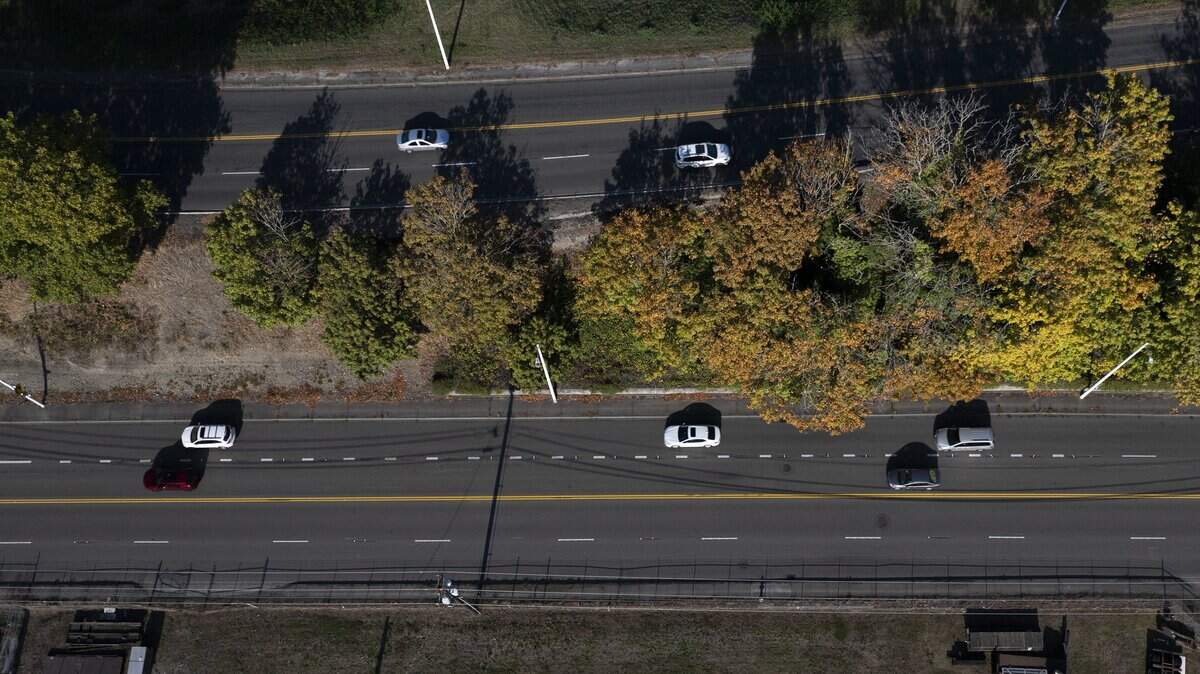
New speed cameras at Norpoint Way and Marine View Drive in Northeast Tacoma, in Washington state, photographed almost 400,000 drivers exceeding the corridor’s 40 mph speed limit between Sept. 14 and Oct. 11, according to city data.
Read more Immigrant, 68, says an election worker gave him a ballot. Feds say he voted illegally
After a monthlong warning period for the two cameras ended on Oct. 14, the city will now begin mailing out citations. But because of limitations from the company that runs the cameras, only a randomly selected group of 100 registered vehicle owners per camera each day will receive them, city officials say.
In total, approximately 515,000 vehicles drove through the corridor in the same period, meaning that roughly 77% were speeding. On average, the cameras photographed slightly more than 14,000 speeders daily.
Vehicles that exceed a certain speed threshold will now be chosen, at random, to be among the group that receives citations, said Eric Huesby, a manager in the city’s environment and public works department, which operates the program. The city has chosen not to share that threshold publicly, he told The News Tribune in an interview, since doing so could let people know they won’t be punished for a certain level of speeding, effectively changing the limit in that area.
“At this point, we have a reluctance to (share the number), just because we’re trying to influence a behavior,” he said.
The majority of speeders, between 55% and 60%, were going less than 10 mph over the limit. Roughly 10-12% sped by more than 10 mph over the limit, the data shows. More than 180 went more than 30 mph over the limit – meaning they did 70 mph in a 40 mph zone.
The unexpectedly high volume of speeders in the first month caused the company that operates the cameras, NovoaGlobal, to decide to cap how many tickets they’ll send, Huesby said.
“They called up and said: ‘What the heck is up with these cameras?’” he said. “I think it caught them off guard as well.”
Tacoma’s 16 traffic cameras, which also include nine red-light, four school-zone and one other speed camera, are different from automated license plate reader cameras like those operated by Flock Safety. They follow different laws and are manually reviewed by officials to enforce traffic violations, rather than using artificial intelligence to help track down vehicles involved in alleged crimes.
The Northeast Tacoma cameras were installed after a neighborhood petition last year encouraged officials to take protective measures for the area, which has seen hundreds of crashes over the years. The city plans to expand its camera enforcement program into several more locations along South Sprague Avenue, Pacific Avenue, and Portland Avenue early next year.
If a car is clocked going more than the speed threshold, the cameras automatically snap a photo, Huesby said. The company sorts out and verifies the information and forwards it to the city for review, then traffic enforcement officers with the Tacoma Police Department evaluate the photographs and data to determine whether a vehicle should be issued a citation, Huesby explained. After the city’s review, the company then mails out the tickets to the vehicle owners, he said.
Since the city pays NovoaGlobal a flat rate to operate the system, Huesby said, the cost for the company to process and mail out more citations for the new cameras would outweigh its ability to cover its operating expenses.
City officials landed on the number of 100 per-camera daily citations based on the impact to the company and also on the court and administrative costs for the city to handle the upcoming citations, he said.
“They came to us and said these (citation) volumes are something that they couldn’t adhere to,” Huesby said. “It wouldn’t bankrupt them, but it was going to be a big number.”
According to the most recent amendment to NovoaGlobal’s contract, which was initially signed in 2018, the city is allowed to pay the company up to $6.7 million to operate the system for the contract’s term, which goes through January. Last year, the city paid roughly $708,000, which did not include the new cameras. Each camera will add $5,700 per month to that total, which works out to an additional $68,400 per camera per year, he said.
The 100-citation cap could still make the company lose money on the new cameras, Huesby added, but it’s enough for them to justify because the rest of the program still makes some money.
NovoaGlobal’s CEO, Carlos Lofstedt, confirmed in an interview with The News Tribune that the costs of citation volume on the northeast intersection had been too much for the company to cover.
The processing costs are roughly $4 per violation, he said, and the Northeast Tacoma cameras had caught more than double the speeders of the other cameras in the system. The previous contract covered cameras that had already been installed by other vendors, he added, meaning that costs of the new cameras would add on quickly. Ultimately, the most important part of having the cameras is that people change their driving behavior, he said.
Read more As early voting begins, North Miami mayor is disqualified from ballot. Here’s why
“We don’t believe that it is good practice just to try to fine everybody,” he said. “So that’s why we had this discussion, to mitigate the situation, to educate people, and still not overwhelm the public with violations or notifications.”
Drivers also may not yet know about the new cameras, Lofstedt added, making them more likely to continue speeding in the first month. The other cameras in Tacoma’s system don’t have limits in the tickets they send out, he said.
The system the company manages in Portland is similar in size to Tacoma. Violations have decreased by 88% in some locations there, he said, though those cameras don’t have caps in the number of citations that are issued.
Despite what many might think, Huesby added, the traffic enforcement program isn’t designed to be a “cash cow” for the city, which will reinvest the revenue into safety infrastructure projects for the corridor. The $145 fines are often challenged in court, he said, and the other administrative costs add up for the city and the company.
The city’s other speed camera, on Bay Street in East Tacoma, made about $1.9 million in 2024 and just over $2 million in 2025, according to data shared by Huesby. Through the end of September this year, it has made about $1.3 million.
In the past month, just around 20% of drivers sped past that camera, the vast majority going less than 10 mph over the 35 mph limit, data shows. The city’s other cameras also collect fines from drivers throughout the city, though the Bay Street location had collected more than all the others combined earlier this year.
The much-reduced speeding rates for that camera, which was , are a promising trend for the program’s effectiveness over the years, Huesby said. And although the overall percentages of speeders are still the best way to measure the impacts, he said, the first month of data has still shown a bit of promise for northeast Tacoma.
“Whether this is good, bad, or otherwise, we’ve already dropped the average speed by half a mile per hour,” he said, referring to average speeds of 44.1 and 44.4 mph in each direction in the first week and 43.1 and 43.7 in the final week of the month. “Those don’t seem like big numbers, but this has been a month of warnings.”
There is not currently a real-time sign telling drivers how fast they’re going at the location.
Bidding for a new contract to manage the cameras will go out over the next three months, Huesby said. NovoaGlobal’s original contract expired in 2024.
When asked if NovoaGlobal planned to bid, Lofstedt said, “of course,” and noted that his company works with 17 other cities in Washington.
“I want to look if (the contract) would require any change, but we don’t see any significant change really from what we’re doing now,“ he said.
Two other locations in the state have placed citation caps on their cameras, he said, though he declined to say where since he hadn’t yet asked those cities’ permission to speak publicly.
Huesby said NovoaGlobal has been an “exceptional” vendor and that he’s happy with the company’s support of Tacoma’s system. He also assumed they would bid on the new contract but said the city is currently drafting a new set of criteria for the next one.
“(W)hether they would be a contender would be contingent on how well their response aligns with our criteria in the [request for proposals],” he said.
This story was originally published October 20, 2026 at 7:39 AM with the headline “Nearly 400,000 drivers sped past new cameras. Most won’t be ticketed, one city says.”
Read more Can you take a photo while voting? Wear a slogan? See what’s allowed at polls











Post Comment