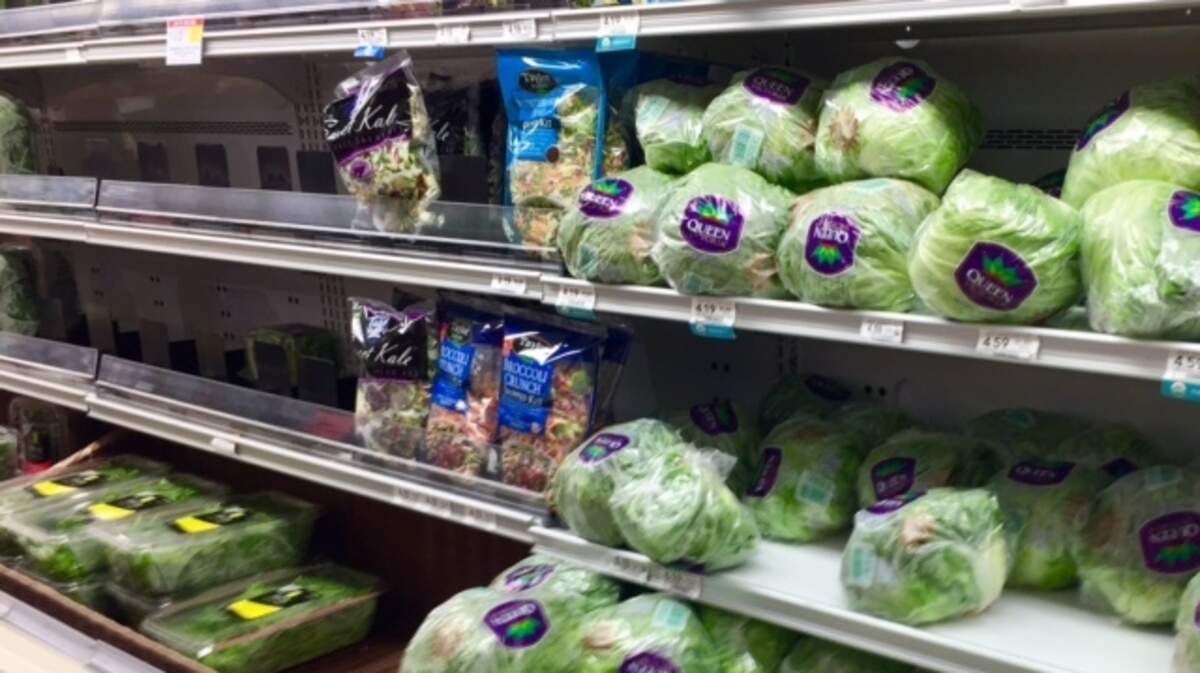
Miami sees rise in the diarrhea parasite. What foods should you avoid eating?
Thousands of people have fallen ill with a tiny parasite that often hides in fresh produce and is known to cause explosive diarrhea. And, as of Thursday, Miami-Dade County leads the state of Florida with the highest number of confirmed cyclosporiasis cases.
Read more How a SLAM student was tapped to be a flag bearer in Miami’s last World Cup match
Don’t get too anxious, though. That doesn’t mean you should swap your broccoli for cookies.
There are safe ways to eat fruits, veggies and leafy greens during the outbreak as health officials figure out the cause.
We spoke with Dr. Edmara Nieves, associate medical director of the emergency room at Broward Health Medical Center in Fort Lauderdale, about what foods you can or should avoid.
Here’s what to know:
What’s causing the cyclosporiasis outbreak?
As of Thursday morning, federal and state health officials are still trying to pinpoint the source or sources of the ongoing outbreak that is wreaking havoc across the country and has made over 100 people sick in Florida. However, Michigan health officials have begun to point to lettuce and other salad greens as a possibility.
READ MORE: Miami-Dade now leads Florida in cases of people sick with diarrhea parasite
That would be in line with past outbreaks of the microscopic parasite, Cyclospora cayetanensis, which has previously been linked to contaminated fresh produce — things like basil, cilantro, raspberries, spring mix. People can get sick from drinking or swallowing contaminated water, too, like from swimming pools and lakes, but Nieves said it’s rare for outbreaks to stem from contaminated water in the U.S.
Health officials haven’t publicly named any distributor or brand yet. However, fast-food giant Taco Bell isn’t taking any chances and has announced that it’s “voluntarily” pulled ingredients at some restaurants as a “precautionary measure.”
“The health and safety of our guests is our top priority,” Taco Bell Corp said in a statement to NBC5 Chicago. “Public health officials have not confirmed a link to Taco Bell or any specific ingredient, supplier, restaurant or retailer. While authorities continue their broader review, Taco Bell has voluntarily and temporarily removed limited ingredients at select restaurants as a precautionary measure. We will continue to closely monitor the situation and follow the guidance of public health authorities.”
What fruits, veggies to not eat during the cyclosporiasis outbreak
You may have seen people on social media making jokes and videos about swapping out their salad for ice cream to avoid getting sick. But remember: Unhealthy meals will never be the doctor’s order.
“We are always advocating for a healthy diet so we would never say, ‘Don’t eat your veggies or don’t eat your fruits,’” said Nieves. “So just be more conscious about what you’re picking up from the grocery store.”
Read more As deportation flight lands in Haiti, U.S. says two planeloads a week will start soon
However, given the current situation, it may be best to avoid eating raw vegetables and other uncooked fresh produce, at least until investigators figure out the source or sources of the current outbreaks, Nieves said. There are other ways to get your greens, after all (more on that in a bit).
“Previous outbreaks that the United States have seen have been linked to imported produce. So we’re talking about leafy greens, basil, cilantro, some other foods, especially fruits, berries, raspberries and then bagged salads,” said Nieves.
How to eat fruit, veggies during the cyclosporiasis outbreak
Nieves has some tips to make sure you can still get your greens during the outbreak.
For fruit, Nieves recommends eating fruits with skins you can peel off such as bananas, mandarins, pineapples and mangoes.
If you still want to eat berries, another fruit or veggies, make sure to give it a thorough washing, even if you purchased prewashed produce. That’s where your COVID-19 pandemic handwashing skills can come into play.
“Rinsing this fruit is not enough,” Nieves said, explaining that berries, just like other fruits and veggies, need to get a good scrub “under running water for minutes” to try and kill off the parasite.
“A lot of those commercial products to wash our fruit and veggies have proven not to be effective, so we’re talking about very thorough rinsing and lots of handwashing,” she said.
Another option to reduce your risk of getting sick — cook your food.
Steaming your fresh produce, like broccoli, in a pan for a few minutes should be enough to kill off the parasite. Health officials in Michigan, one of the hardest-hit areas, are recommending people heat up their food to at least 158 F (70 C) to kill off the parasite.
The U.S. Centers for Disease Control and Prevention and Michigan health officials also have some additional tips to reduce the risk of getting ill. Those include:
- Purchasing whole heads of lettuce instead of prewashed and bagged lettuce.
- Discard two or three layers of leaves, wash the inner leaves and peel produce when you can, since the parasite usually sits on the outer surface.
- Scrub firm fruits and veggies, such as melons and cucumbers, with a clean produce brush and “cut away any damaged or bruised areas.” You should also refrigerate cut, peeled or cooked fruits and veggies as soon as possible, which, per the CDC, means within two hours.
How many cases of the diarrhea parasite are there?
Nearly 7,000 cases of the gastrointestinal illness have been reported across the country, though there may be more since not everyone will go to the doctor for testing, according to the U.S. Centers for Disease Control and Prevention’s latest update. So far, 1,645 of the reported cases are confirmed cyclosporiasis and more than 5,100 are still under investigation.
Read more 3 arrested after using tech equipment in driver’s license cheating scheme: MDSO
Florida has reported just over 100 confirmed cases, as of the newest update.











Post Comment