Inside the old Epicure Market in Miami Beach. See what made it different
Epicure Gourmet Market, a South Beach institution dating to the 1940s, closed in 2017. The gourmet market attracted the wealthy, along with more budget-conscious shoppers looking for upscale food.
Read more Inside the old Epicure Market in Miami Beach. See what made it different
At the time, owner Jason Starkman said he was shutting down the market due to a confluence of events, including down sales and interest from real estate developers.
Eddie Thal founded the market at 1656 Alton Rd. with brother Leonard in 1945 after taking over a butcher shop the Army Air Corps had commandeered during World War II. Epicure became a hit with locals and the famous, simply by making family-friendly prepared food and flying in specialty items from every state.
At its height, the kitchen was cooking 10,000 gallons of chicken soup a week, preparing 100,000 pieces of gefilte fish, butchering 40,000 pounds of meat and making more than 60 kinds of prepared foods for those too lazy or too unwilling to cook — or simply for those who knew their fettuccine with ham salad, tuna salad or potato latkes would never measure up.
They had a deft touch for all manners of cuisine, from arroz con pollo to Irish stew, and they were renowned for their Black-Out Cake (dark chocolate cake, filled with dark chocolate pudding, frosted with dark chocolate and dusted with cocoa).
When South Beach was still a sleepy town, before the ‘90s boom, Epicure was the one place welcoming the cosmopolitan. There, you could buy imported Champagne and Beluga caviar, fresh turkeys from Maryland’s Eastern Shore, maple syrup from Vermont, fresh chanterelles from North Dakota and a black walnut cake from South Carolina. The products came at a premium customers were happy to pay.
“I figured let the big guys corner the prices and I’ll corner the quality,” Eddie Thal told the Miami Herald in 1983.
Celebrities who came to town genuflected at its door, particularly because Thal would send a gift basket to their hotel rooms with a gift card they could use only there.
Mobster Meyer Lansky ate his stuffed veal in the back room in secret from his wife, who had him on a strict diet. President Harry Truman had them send barbecued ribs to him in Key West. Jimmy Hoffa came for the potato kugel. Winston Churchill kept coming back for the roast beef when he visited shortly after World War II — he had gone without beef for so long.
Read more Stick or spray? FHP clarifies after driver crashes while applying deodorant
They closed the store for Michael Jackson, Pavarotti and Joe DiMaggio to shop. But Oprah Winfrey just shopped among others, recalls Eddie’s grandson, Mitchell, who worked at the store for 30 years and is now retired in Wellington.
“You’ve got a real nice place here,” Paul Newman told Eddie Thal once, after crossing the street while filming “Absence of Malice” for a corned beef on rye.
“I could tell you a million names of folks who came,” said Mitchell Thal, who once managed the store.
What defined the store was the home cooking. Homemakers outsourced their Thanksgiving dinners to Epicure, from the never-frozen turkeys flown in from Maryland to pumpkin pies made with fresh-grated nutmeg. Jewish families relied on Epicure for High Holy Days. It wasn’t rare for the store to sell 15,000 pounds of kugel in a given week.
The menu was rich in family recipes, from Mama Jennie’s cabbage soup, a recipe Eddie Thal’s mother brought with her from Russia, to the noodle pudding and beet borscht. The brothers started their own wholesale meat company to ensure they got prime cuts and aged steaks for two to three weeks. At one point, at least 11 Thal family members were involved in the business, including Eddie’s brothers: Lenny, who oversaw the kitchen; Sydney, who ran the books; and Mervyn, who ran the meat department.
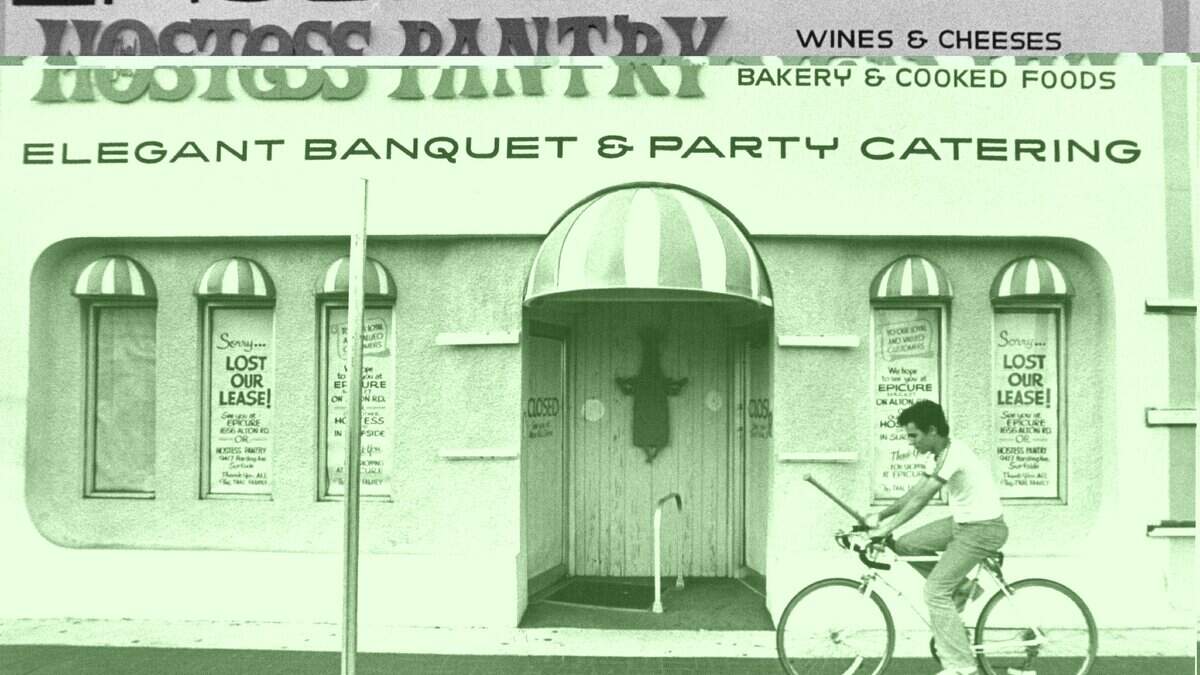
The Thals sold the business to the Starkman family, which founded California’s Jerry’s Famous Deli and brought that concept to South Beach before it, too, closed. The Starkmans tried to expand Epicure’s brand. They had bought Sunny Isles Beach’s Rascal House, the last Jewish deli of its kind in the area, and turned it into an Epicure outpost in 2008. They opened another Epicure in Coral Gables in 2013. But the Coral Gables location lasted less than two years, and the Sunny Isles location closed few years later.
Epicure also had locations on Harding Avenue in Surfside and 41st Street in Miami Beach into the 1980s. When the last location, the flagship South Beach store, closed in 2017, it marked the end of one of the longest-running epicurean standbys in Miami, along with Joe’s Stone Crab and The Forge.
Read more Inside the old Epicure Market in Miami Beach. See what made it different
Here’s a look at the Epicure markets through the years:








Post Comment