Incinerator costs soar to $3B in Miami-Dade — $1B more than last estimate
Building a new garbage incinerator plant now would cost Miami-Dade County $3 billion under a private development deal that’s facing criticism by Mayor Daniella Levine Cava, according to a recent memo. That’s $1 billion more than the last time the county presented an estimated cost for the controversial project.
Read more There’s a new county animal shelter coming to Miami-Dade. Here’s what we know
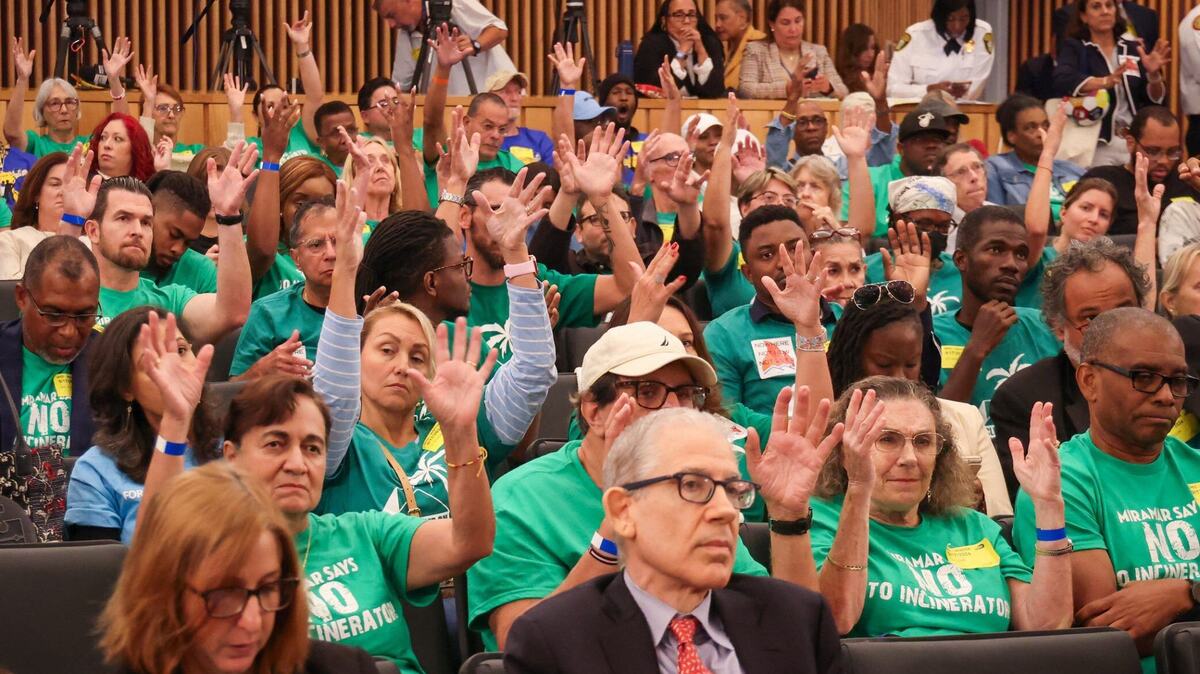
Miami-Dade used to burn nearly half of its trash at an incinerator in Doral, but that shut down in 2023 after a fire, and Levine Cava decided not to repair it. Now her administration is in talks with a development team to build a new one, and the negotiations are not going well.
Last month, the two companies pursuing a joint incinerator development deal criticized Miami-Dade for dragging its feet on key decisions needed to advance a project that would build an electricity-producing plant to let the county resume trash burning in future years.
At the time, the companies, FCC Environmental Services and Florida Power and Light, announced they wanted to pause negotiations with the Levine Cava administration. On Monday, the mayor released a memo laying out shortcomings of the fledgling incinerator proposal — including that its projected cost had jumped from about $2 billion to $3 billion, based on a prior estimate from a county consultant and a financial model recently submitted by FCC and FPL.
In the memo to county commissioners, Levine Cava also said she saw no reason to pursue negotiations for the no-bid incinerator deal.
“The Administration has a responsibility to act as a careful steward of public funds and ratepayer dollars,” Levine Cava wrote in the July 13 memo. While the county should only consider a no-bid deal if it means savings for the government, Levine Cava wrote, “it is not possible at this time to make that finding.”
In a June 10 letter, the companies pushed back at the idea they were slow-walking talks or withholding information the administration would need to close a deal.
“The Consortium has acted in good faith throughout this process, and cannot accept any characterization suggesting otherwise,” the letter read. “We have consistently and expeditiously responded to County requests, invested significant resources, and worked diligently to advance the project while addressing evolving County requirements.” In a statement on Monday, FPL said: “We remain prepared to re-engage once the county provides this clear direction.”
Read more He has a degree. But in South Florida’s job market, he’ll take ‘anything’
The mayor’s administration had previously been pursuing a competitive process where FPL and FCC each submitted bids but, at the suggestion of Commission Chair Anthony Rodriguez, the County Commission directed Levine Cava to negotiate with the two companies under one joint, no-bid proposal.
In her memo, Levine Cava floated reversing course and returning to a bidding process. “Another option is for the Board to direct the Administration to return to the plan for a competitive process,” she wrote, “in order to ensure the County gets the best deal.”
A sticking point cited by both sides is the lack of a county decision on where to build an incinerator. That’s been the top controversy since the February 2023 fire at the incinerator in Doral, where city leaders had been fighting for years for Miami-Dade to move the trash-burning facility elsewhere.
While Levine Cava and commissioners were planning to build a replacement in Doral, that plan fell apart with President Donald Trump’s victory in the 2024 election. Trump owns a resort in Doral, and his family publicly lobbied to block the county’s incinerator plan, which would need federal regulatory approvals.
In their June letter, FCC and FPL said the lack of a decision by Miami-Dade on where to build the new incinerator made financial projections challenging. “Site selection is a policy decision that directly impacts technical development, permitting strategy, commercial structuring, and overall project feasibility,” the companies wrote in June.
In her memo this week, Levine Cava said commissioners need to settle on a site, though she has not recommended one.
“The Administration agrees with the Consortium that the Board needs to take action regarding site selection — which could be directing the Consortium to select a site,” she wrote.
Read more Luxury jets, yachts and Miami shell firms: FBI probes Argentina soccer funds










Post Comment