Haiti’s new date for overdue general elections has to be realistic, U.N. urges
As Haitian authorities hold consultations over a new date for the country’s long-overdue general elections, the head of the United Nations political office in Port-au-Prince is urging electoral officials to adopt a realistic timetable that takes into accounts the gang-violence crisis and the type of elections they can credibly hold under the circumstances.
Read more As deportation fears rattle Little Haiti, a new shop hopes to rebuild community
The first election for president, Parliament and local offices in more than a decade will be far from perfect, said Carlos Ruiz Massieu, the special representative of U.N. Secretary-General António Guterres. But Haiti’s nine-member Provisional Electoral Council must determine the minimum conditions necessary to ensure that the vote is perceived as legitimate and representative given gang control of many areas.
The U.N. Integrated Office in Haiti, which Ruiz Massieu leads, is among the groups that have been has been holding consultations with elections officials, along with Haitian civic leaders, political groups and the head of the Haitian police, army and Gang Suppression Force.
“At the end of the day, they have to see what the minimum requirements are for elections to happen and to have again democratically elected authorities,” Ruiz Massieu said.
Repeated adjustments of the date risks undermining public confidence further in an already fragile process in which only 867,000 voters out of a possible electorate of 6.5 million have registered, he said.
“Clearly, the percentage of pre-registered voters is not where they want it to be,” said Ruiz Massieu, who spoke to reporters this week after briefing the U.N. Security Council on the situation in Haiti. “Not that it is a fixed rule, but they clearly want to go to a minimum that could be perceived as legitimate and representative of the will of the people.”
Elections postponement
Haiti is scheduled to hold elections on Dec. 13. Though it has not formally postponed that vote, the electoral council has announced that it will be publishing a new calendar.
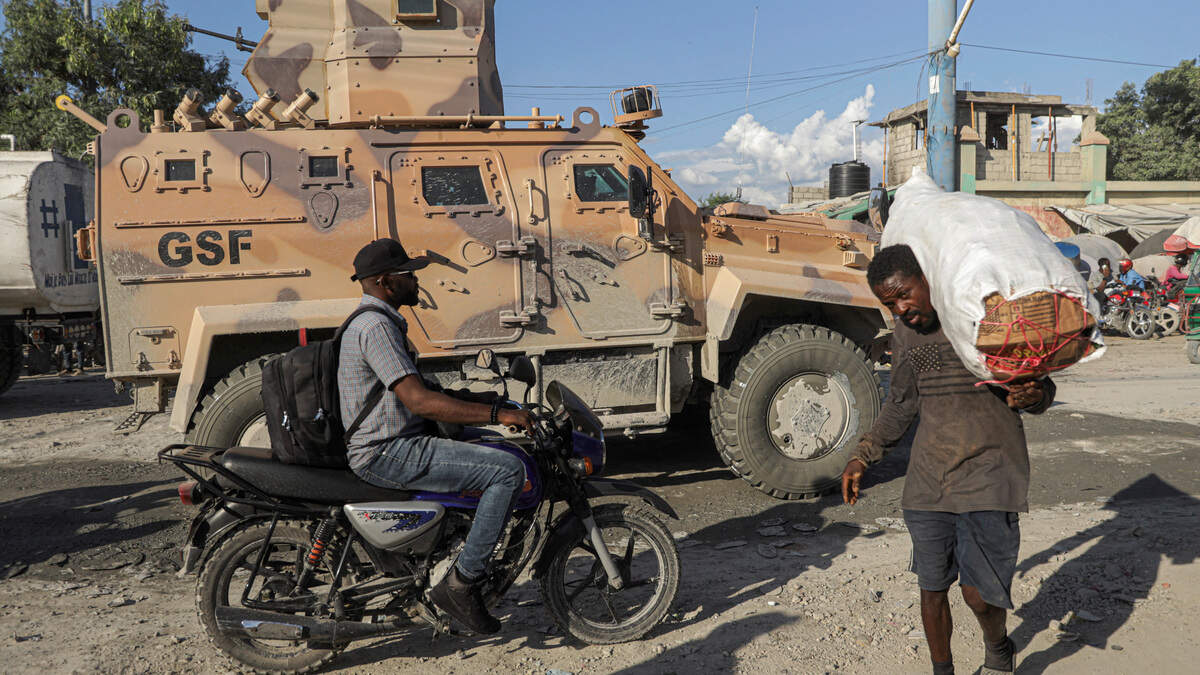
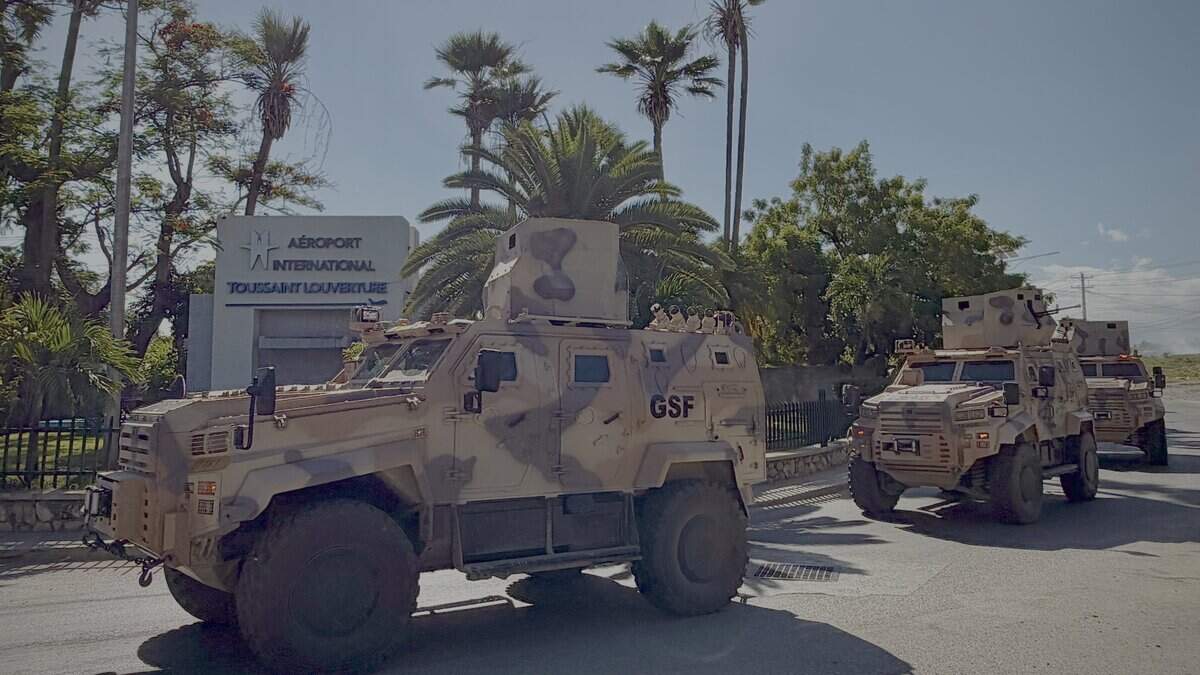
On Monday, during a gathering of the U.N. Security Council, members recognized the alarming gang crisis in Haiti, calling for the full deployment of the Gang Suppression Force they recently renewed for another six months. But they also warned that the crisis must not be allowed to thwart the country’s return to democratic order. Despite the considerable challenges, preparations for elections must continue, diplomats urged.
“Every such postponement increases the risks of an uncontrolled descent into chaos,” said Vasily Nebenzya, the Russian Federation’s permanent representative.
The discussions on elections came as U.N. members continued to be reminded of the brutality of Haiti’s gang. Attacks by gangs have resulted in more than 1,000 deaths since July. During the U.N. gathering, council members were informed about gangs’ latest attack: the ambush of four Salvadoran soldiers in the Port-au-Prince area on Sunday while they were returning from a shopping trip.
The men, aviation technicians deployed as part of the Gang Suppression Force, remained unaccounted for Wednesday as search operations continued.
“Armed gangs continue to challenge state authority and inflict violence on the Haitian population,” Ruiz Massieu told the council.
On Monday, at least three people were killed in Petite-Rivière de l’Artibonite after gunmen with the Kokorat San Ras gang stormed the city center and occupied several strategic positions. Several members of self-defense groups were also injured by gunfire, according to local media reports.
Over the past three months, renewed violence has forced more than 17,000 people to flee their homes, bringing the total number of the internally displaced to nearly 1.5 million, including over 740,000 children, he said.
Families displaced by armed gangs in the Solino and Delmas neighborhoods of the capital took to the streets in Delmas 33 on Tuesday, for a second consecutive day, protesting the squalid conditions in the makeshift shelters where they’ve been forced to live.
“The humanitarian and socio-economic situation in Haiti remains deeply alarming,” Ruiz Massieu said. “Vulnerable populations continue to bear the brunt of gang violence.”
Still, the months ahead offer an opportunity to achieve tangible progress and pave the way for the restoration of democratically elected institutions, he added. But to seize the opportunity, he said, sustained progress will be essential.
Read more JD Vance joked protester was here illegally. He says he was born and raised in NC
New decree
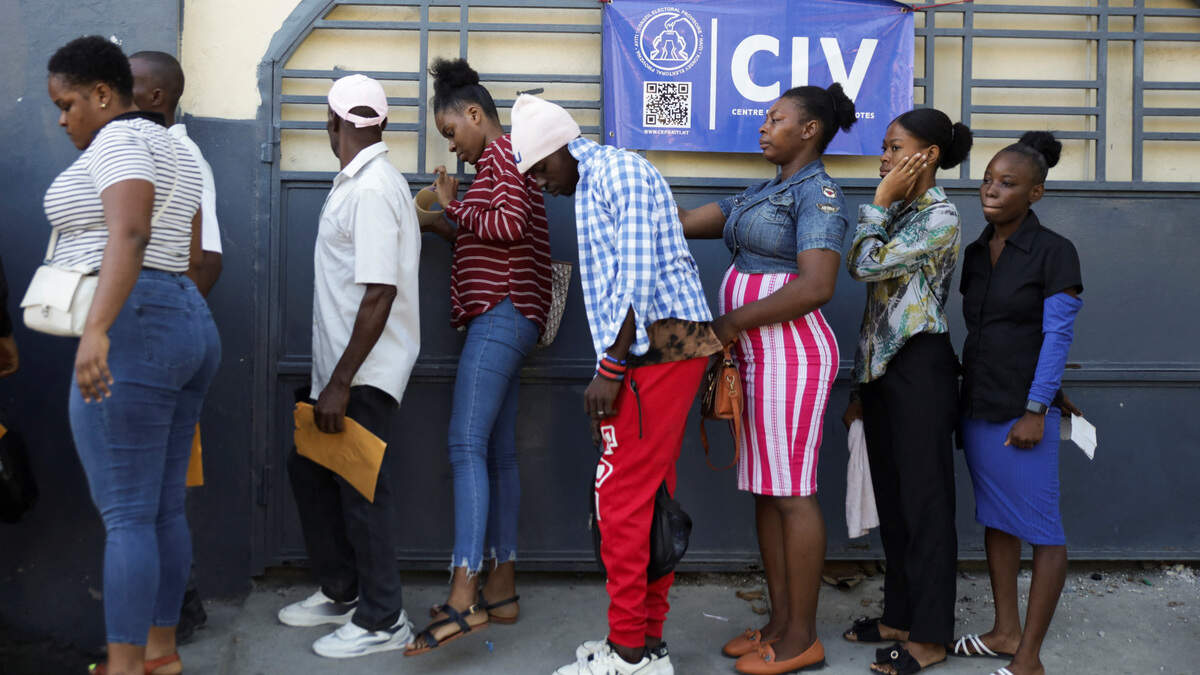
Since Haiti launched its electoral process, more than 35 registered political parties and coalitions, out of 105, have met the threshold of 30,000 registered supporters required to field presidential candidates, and more than 3,500 candidates have registered to seek elected office, including 16 for the presidency.
In an effort to broaden participation, the electoral council extended candidates’ registration deadlines through the end of October and adopted measures to allow voters to register online.
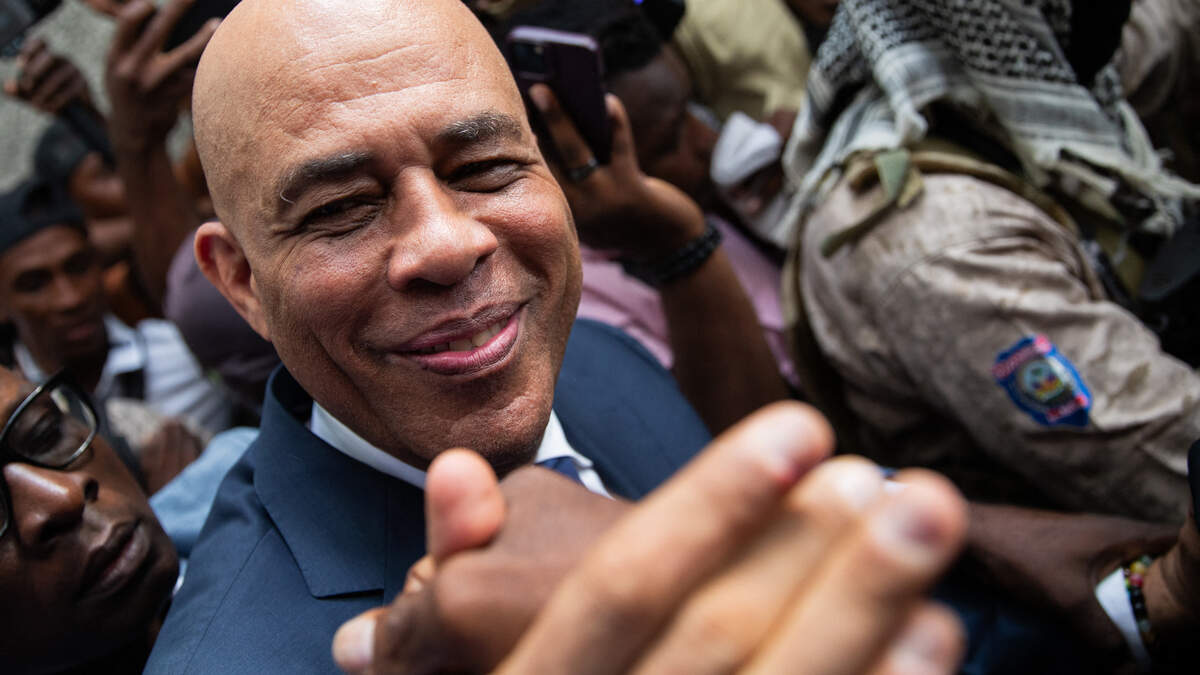
READ MORE: Martelly puts elections rumors to rest, registers to run for Haiti presidency
Ruiz Massieu described the changes as important steps toward promoting a more iinclusive process, particularly given the low number of registered voters.
But he also acknowledged the growing controversy nationally and internationally over the revised Oct. 6 electoral decree, which eases eligibility requirements for candidates who are under sanctions imposed by the United States, Canada and the European Union. While Washington has remained silent on the matter, the ambassadors of France and Spain in Haiti have both raised concerns about the modifications.
“Whatever decision Haitian authorities ultimately make on this matter, these discussions have highlighted the urgent need for robust national mechanisms to address allegations of criminal activity and corruption,” Ruiz Massieu said. “Strengthening the rule of law and the judicial system will be essential to restoring public confidence in state institutions and addressing the root causes of the erosion of democratic order.”
Several other European diplomats on the Security Council echoed those worries. Efforts to make elections more inclusive should not come at the expense of accountability, they warned. They also urged Haitian authorities to establish a realistic electoral calendar and communicate it transparently to the population.
“As preparations for elections continue, we welcome efforts by the Haitian authorities to broaden participation in the electoral process. Measures to facilitate voter registration and to reduce barriers to participation are important steps towards inclusive elections,” the United Kingdom’s permanent representative, Dame Sarah McIntosh, said.
But the representative warned that “changes to candidate eligibility requirements must not weaken important safeguards against the participation of individuals who may seek to exploit violence, coercion or criminality to secure influence within Haiti’s democratic institutions.”
The Danish representative, Christina Markus Lassen, spoke more pointedly.
“Denmark is very concerned that the new electoral decree allows sanctioned individuals to stand for elections,” Lassen said. “It is fundamental that robust vetting and safeguards are in place to ensure candidates running for office do so for the benefit of their country and are not beholding to malign interests.”
Lessen also called on Haitian authorities to address the systemic impunity that has continued to erode public trust in state institutions.
The concerns over the integrity of Haiti’s elections and its next leaders come just days after the Security Council renewed its sanctions regime on Haiti without adding any new names to the list, despite a report by a U.N. panel of experts on Haiti detailing allegations of politicians colluding with gangs.
Despite that report, and three previous ones, Haitian authorities have not taken any action or launched any independent investigation into the findings.
In an interview with TV station Tele Metropole, Lucien Jura, secretary of state for communication, defended the revisions to the electoral law.
“You know anyone who tries to please everyone—and their uncle, too—is truly foolish,” Jura said.
“When it comes to bilateral sanctions, Haiti is not bound by the heated rhetoric or the specific pressures surrounding such measures,” he added. “Fundamentally, what must be considered are adjustments to the electoral process—steps to ease the burden and ensure the highest possible number of registered candidates.”
Read more As deportation fears rattle Little Haiti, a new shop hopes to rebuild community







Post Comment