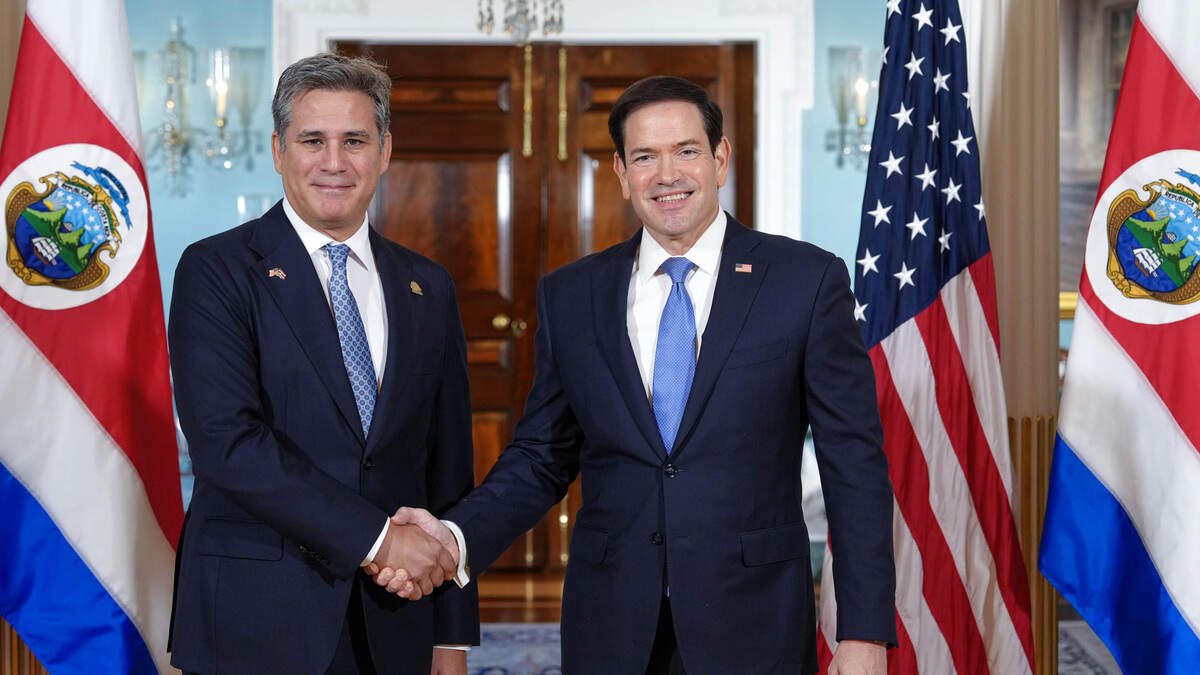
Indignant Cuba says it learned of diplomatic break with Costa Rica from the Miami Herald
An indignant Cuban Foreign Ministry says it learned through a story in the Miami Herald that Costa Rica considers diplomatic relations between the two countries fully severed, and that San José never formally notified Havana of the decision.
Read more Harrison Butker’s FG as time expires in OT lifts Chiefs over Colts
The ministry’s statement was responding to remarks Costa Rican Foreign Minister Manuel Tovar Rivera made in an interview with the Herald. Tovar said relations are fully broken and will remain so until the Cuban people regain their freedom. He said the measure goes beyond the staff withdrawals and embassy closures in both countries that had previously been understood.
“The Ministry of Foreign Affairs of Cuba learned today, September 18, through the press, of the surprising statement made by the Costa Rican Foreign Minister, Manuel Tovar Rivera, to the Miami Herald, that ‘diplomatic relations have been severed’ with Cuba, a fact that has never been formally notified by the authorities of that country to the Cuban government,” the statement said.
Havana disputed that account. The ministry said Costa Rica told Cuba in a diplomatic note on March 17, 2026, without explanation, that it would close its embassy in Havana. The same note asked Cuba to withdraw diplomats from its embassy in San José and keep only consular and administrative staff. According to the statement, Arnoldo André Tinoco, the Costa Rican foreign minister at the time, assured Havana at the time that the steps did not mean a rupture in relations. The ministry also said Costa Rica’s official communiqué on the closure, issued March 18, made no mention of a formal break.
The ministry also criticized Tovar’s choice of a South Florida newspaper to make the disclosure. It called the decision “another act of subordination by the Costa Rican government to United States policy” against Cuba, and it repeated its complaints that Washington pressures third countries to limit their diplomatic and commercial ties with the island.
Tovar denied acting under U.S. pressure. “It was a sovereign decision taken by the government of the Republic of Costa Rica,” he told the Herald, adding that his government received no advice or instructions from Washington or any other capital.
Read more Two Hurricanes out for season after Wake Forest win. Another out ‘a few weeks.’ Lyle back
The dispute dates to March, when the government of then-President Rodrigo Chaves Robles closed Costa Rica’s embassy in Havana and gave Cuban diplomats until the end of the month to leave. Consular services for Costa Ricans shifted to the embassy in Panama. President Laura Fernández has maintained the policy.
Havana had characterized the measure as a unilateral downgrade that reduced relations to consular matters, and it has accused San José of servility toward the Trump administration.
Tovar said the decision follows a long line in Costa Rican foreign policy. Costa Rica broke with Havana in 1961 and did not restore ties until 2009, under Óscar Arias, a move Tovar called a foreign policy mistake. He said the decision was one of principle and that Costa Rica would no longer lend legitimacy to what he described as a tyrannical government.
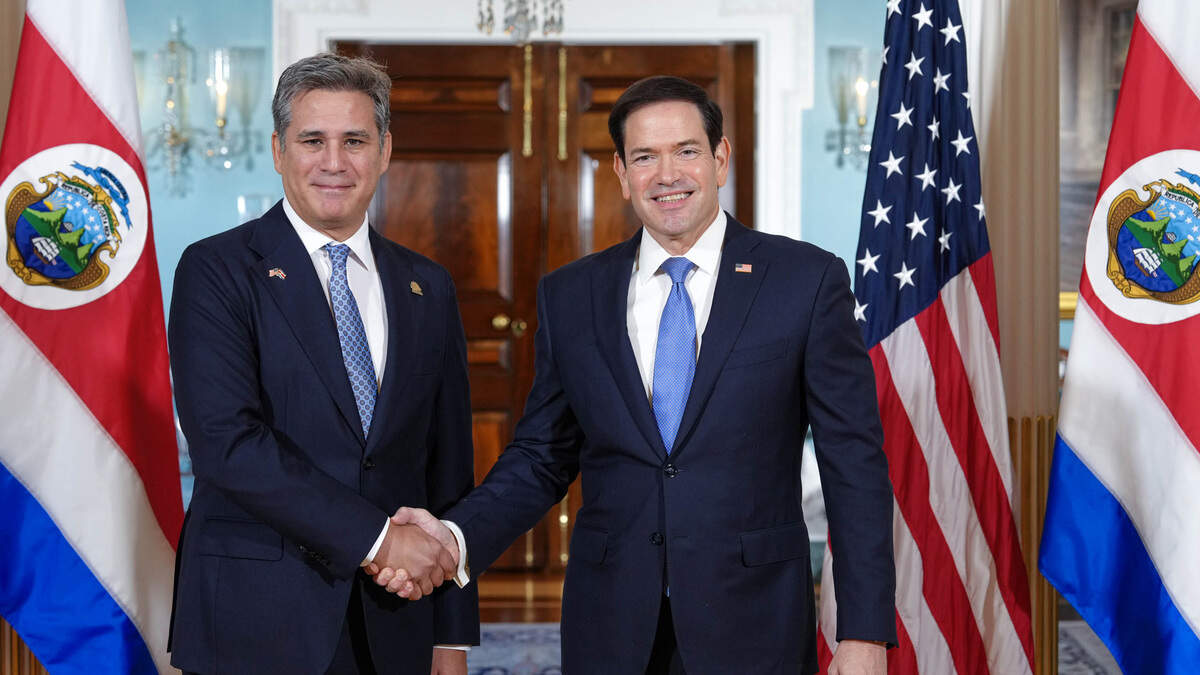
Tovar spoke to the Herald on Thursday after meeting Secretary of State Marco Rubio in Washington. He then traveled to Miami to participate in a Friday event organized by the Assembly of Resistance, a coalition of Cuban exile organizations, honoring Costa Rica for supporting democracy in Cuba.
Read more Jake Cronenworth homers twice as red-hot Padres defeat Marlins again
This story was originally published September 21, 2026 at 8:41 AM.





Post Comment