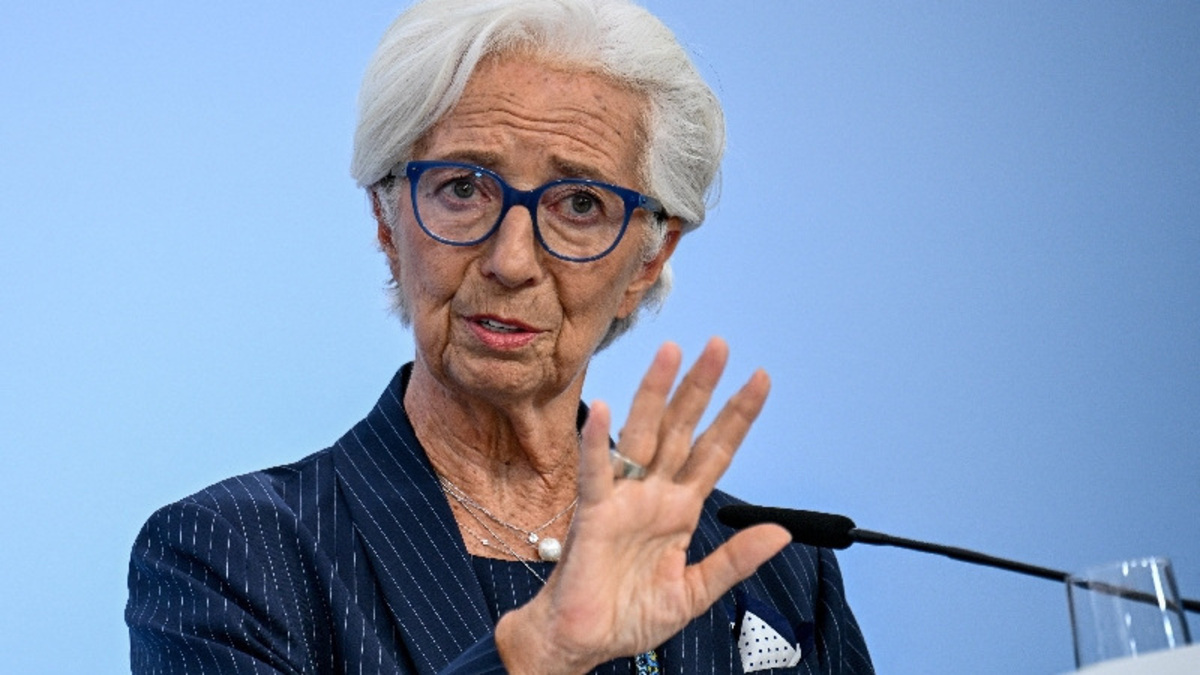
Europe facing unprecedented risk of being cut off from AI, Lagarde warns
FRANKFURT, Sept 14 (Reuters) – Europe must become a producer of artificial intelligence technology, partly to preserve its own autonomy and achieve the efficiency gains needed to maintain its way of living, ECB President Christine Lagarde said on Monday.
Read more More states are putting panic alarms in schools
European firms have been investing in AI but mostly importing the technology from overseas, especially the United States, leaving them vulnerable in case access is cut and potentially jeopardizing every sector.
“Within a few years (AI) will be screening goods at the border, deciding which tax returns are audited, dispatching trains, watching patients on wards and clearing payments at banks,” Lagarde said in a speech in Vienna.
“A withdrawal of access, or a change in its terms, would then reach every sector at once,” Lagarde said. “That is leverage of a kind no trade partner has ever held over Europe, and it could be used in any negotiation, on tariffs or on digital taxes, for example.”
While the EU and the U.S. are key allies, trust has been shaken recently by a host of issues, such as tariffs, demands by the U.S. to take over Greenland and the withdrawal of U.S. troops from Europe over political disagreements.
The way out is building more European computing capacity, she said.
If adapted quickly, AI could lift the level of productivity by up to 4% over a decade, which would be transformative for public finances, Lagarde said.
Read more Ford recalls over 220,000 vehicles. See affected models
“Europe already has too little data centre capacity to meet its own demand, and on current trends, that gap is projected to grow more than sixfold within a decade,” Lagarde said.
Then Europe needs models that are “good enough” for most tasks and that run on European infrastructure, so that the threat of being cut off loses its force, she added.
Lagarde said that Europe is already paying for the technology, so it should embrace it more forcefully.
U.S. technology firms’ investment needs are so large that they are doing some of their borrowing in Europe, pushing up costs for everyone else as they crowd out others in the debt market.
European pension funds also invest heavily in U.S. tech stocks, so any market correction would affect European savings, she added.
Read more Senate Republicans’ new crypto bill text adds new ethics language
(Reporting by Balazs Koranyi and Francois Murphy; Editing by Hugh Lawson)
Copyright Reuters or USA Today via Reuters Connect
This story was originally published September 14, 2026 at 11:16 AM.










Post Comment