GM, Ford, Toyota and Rivals Agree on One Thing: Keep Chinese Cars Out
The Alliance for Automotive Innovation, whose members include GM, Ford, Toyota, Volkswagen, Hyundai, Honda, and Stellantis, sent the letter Thursday to House Speaker Mike Johnson, Senate Majority Leader John Thune, House Minority Leader Hakeem Jeffries, and Senate Minority Leader Chuck Schumer, urging action before the current congressional session adjourns in January. “Right now, Chinese automakers are dumping subsidized vehicles with connected software and hardware around the world,” Alliance CEO John Bozzella wrote, adding that Chinese brands are already gaining share in Europe, Australia, Southeast Asia, Mexico, and South America.
Read more Kia’s 5 New U.S. Trademark Filings Don’t Mean 5 New Models
The Ban Already Exists, Just Not Permanently
Chinese vehicles are effectively locked out of the US market today through a combination of steep tariffs and the Commerce Department’s Connected Vehicles Rule, which bars Chinese-made software from new vehicles starting with the 2027 model year and hardware by 2030. What the Alliance wants is for Congress to write that protection into permanent law rather than leave it dependent on regulation that a future administration could unwind. The Senate Commerce Committee approved a bill toughening the rule back in July, but it still hasn’t cleared either chamber.
Not Everyone In The Industry Is Equally Worried
The letter’s urgency sits awkwardly next to private admissions from within the industry itself. Ford executives reportedly told employees in a July town hall that they expect Chinese automakers to reach the US market within five to 10 years regardless of current trade barriers. There’s also a real loophole the Alliance is trying to close: Chinese-built EVs are already appearing in Canada and Mexico, and a separate bill would extend the ban to cars driven across those borders, not just ones sold new domestically.
Read more ‘We can only win’: The rise of the far right in eastern Germany
It’s Already Complicated For Companies With China Ties
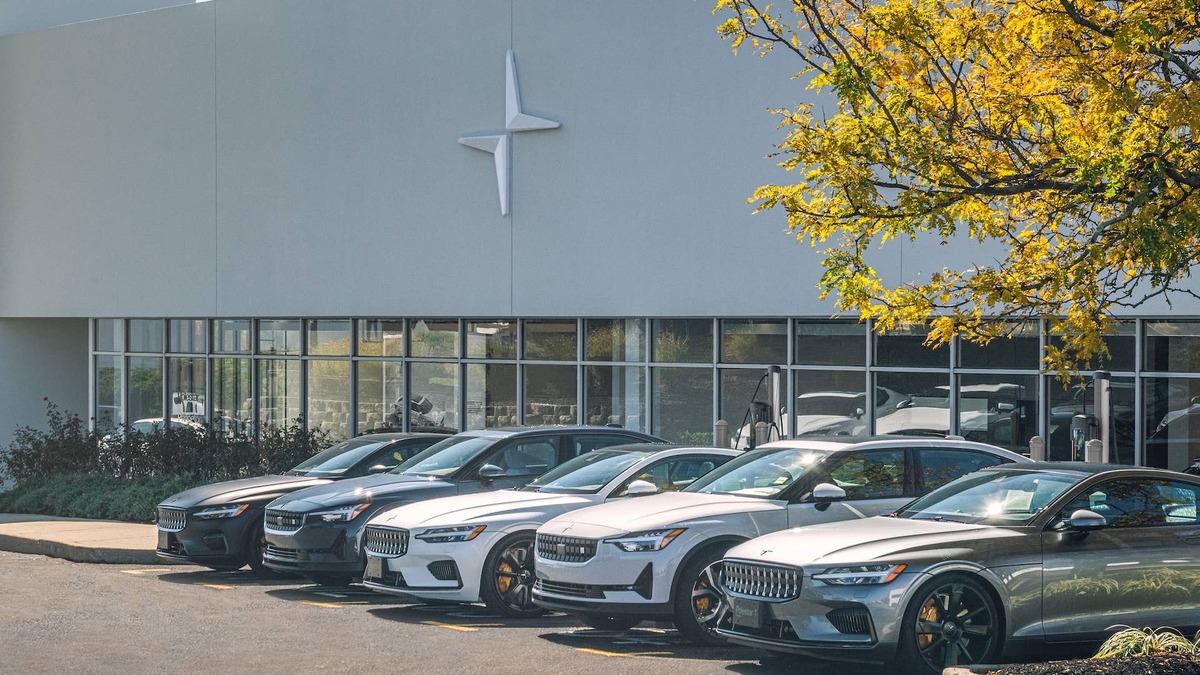
Enforcement isn’t as clean as the letter’s framing suggests, either. Geely-owned Volvo and Polestar have already tested the current rule’s limits — Polestar was denied a Commerce Department authorization to sell its newest EVs, while Volvo secured approval to keep selling connected vehicles despite the same ownership structure. The Chinese embassy did not immediately comment on the Alliance’s letter, but has previously opposed US efforts to restrict Chinese vehicle exports.
Read more What new data reveals about Americans and AI financial decisions
Copyright 2026 The Arena Group, Inc. All Rights Reserved.
This story was originally published September 5, 2026 at 6:45 PM.











Post Comment