FL immigration contracts quietly surged to $1.4B in disaster dollars
Since Alligator Alcatraz’s closure in June, Florida’s emergency managers have committed almost half a billion more dollars toward arresting, detaining and deporting immigrants, promising at least $1.4 billion in disaster funds to the vendors who’ve built the state’s detention lockups and carried out its immigration crackdown, according to quietly updated financial totals.
Read more ‘Slap in the face’: Firefighters union blast Hialeah proposal after historic police deal
Almost none of these contract amendments were posted to the state’s vendor transparency portal, records show, despite the Florida Division of Emergency Management — the agency tasked with immigration enforcement over the past year — ballooning the total value in recent weeks.
The DeSantis administration has paid out nearly $630 million on those contracts to date, according to a review of state spending records by the Herald/Times, with about $812 million in outstanding balances. The totals don’t include one-time purchases for supplies, travel or food.
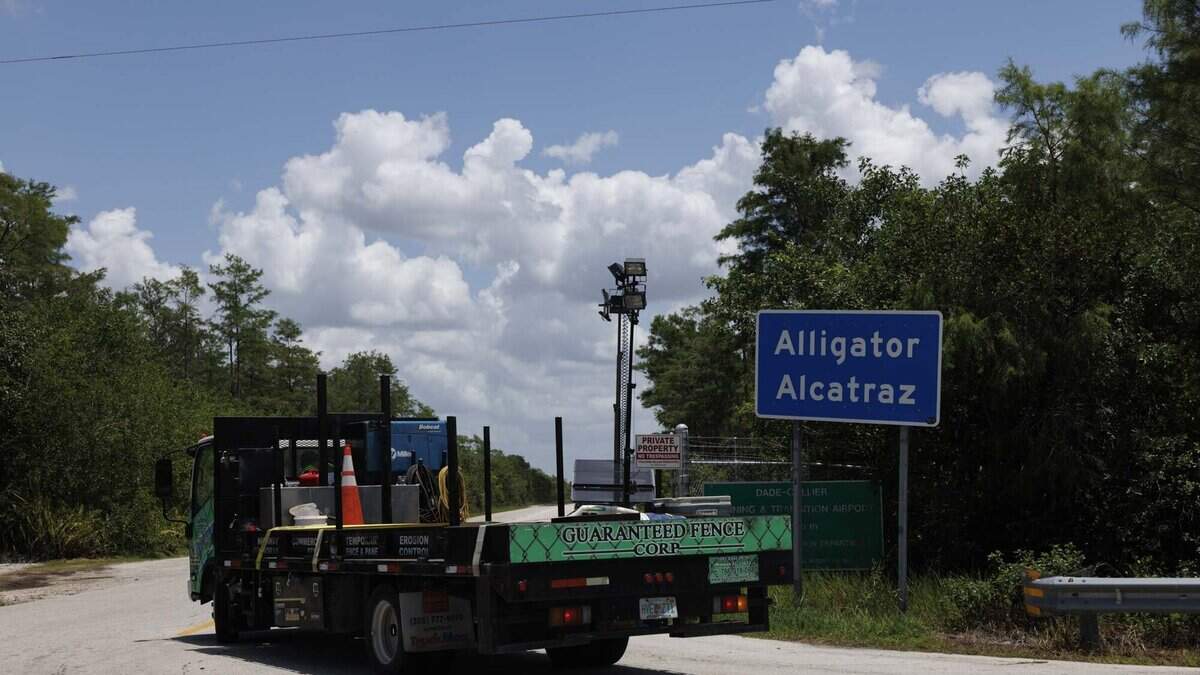
Much of the recent spending commitments come through updated contracts with existing vendors for the state’s pop-up immigration detention facility in the Everglades they called Alligator Alcatraz.
After Gov. Ron DeSantis announced plans to shutter the facility in June, his administration added millions of dollars to the existing no-bid contracts signed with emergency management companies using authority DeSantis granted himself through an almost three-year-long immigration state of emergency in Florida.
The spending jump comes despite the state Legislature’s increased scrutiny of the governor-controlled emergency pool funding these contracts. During the last legislative session, the GOP supermajority implemented new guardrails, including a law requiring quarterly spending reports to legislative leaders.
The Division of Emergency Management, however, has blown past the deadline to release that report.
But that hasn’t stopped them from requesting an additional $250 million from the Legislature to help pay off their immigration tabs, the Orlando Sentinel first reported. They’ll request the money “to pay for pending invoices related to declared disasters” at a Joint Legislative Budget Commission meeting next Friday, according to an .
The division, meanwhile, did not answer questions on why the contracts increased in cost, why contract edits largely weren’t filed, nor when it would fully pay out vendors.
Who are the biggest winners in Florida’s immigration windfall?
The largest recipient of newly committed state emergency funds is IRG Global Management, which had previously been promised $112 million across four contracts, largely to establish a “staff village” at the Everglades site.
Read more West Park commissioners sue mayor, saying they’re blocked from doing their jobs
Those contracts with the state increased exponentially since Alligator Alcatraz’s closure in June — nearly tripling in total and now amounting to $313 million. IRG’s one-time costs for the now torn-down site included $40,000 for pillows, $102,000 for gym equipment and $52,000 for drinking water, payment records show.
Texas-based emergency management firm Garner Environmental Services saw its contract value nearly double over the past two months, jumping from $83 million to $152 million. The portable toilet company Doodie Calls has been one of the largest recipients of state immigration contracts, amounting to $219 million.
The companies did not respond to requests for comment.
The firms are just some of 60 vendors promised $1.4 billion since June 2025 for taking part in either Florida’s immigration deterrence effort known as Operation Vigilant Sentry, or helping run either Alligator Alcatraz or Deportation Depot, a state-run facility in North Florida.
This investment was part of DeSantis’ plan to both lead the nation on immigration enforcement and work in tandem with President Donald Trump, who’d based his campaign in part on mass deportations.
DeSantis moved quickly after Trump took office by signing laws creating new state-level immigration penalties, banning in-state tuition for undocumented college students, and opening the two migrant detention centers.
The state’s Emergency Preparedness and Response Fund was created in 2022 in response to the COVID pandemic and allows DeSantis to quickly pay for declared emergencies without legislative approval.
When he declared a state of emergency on immigration in January 2023 — a declaration he’s renewed at least 20 times since — it allowed the disaster dollars to pay for immigration enforcement.
Two-thirds of emergency spending last year went toward immigration. As of Thursday, that emergency fund had a remaining balance of $163 million.
Read more Florida bans students in the country illegally from attending state universities











Post Comment