Jury can hear confession of mom accused of drowning autistic son, judge rules
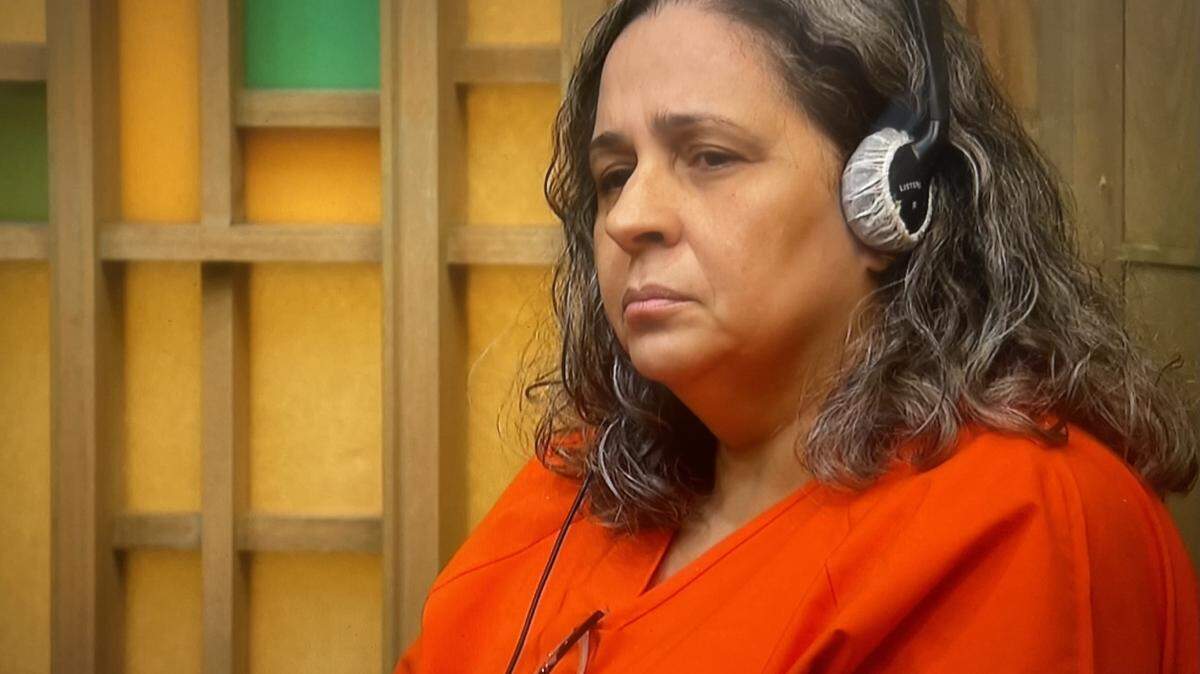
The video confession of a West Kendall mother who could face the death penalty if she’s convicted of drowning her 9-year-old autistic son can be played for jurors, a judge ruled Wednesday morning.
Read more A Miami photographer called ‘Hemingwayesque’ died on the river he loved
Patricia Ripley, 51, argued that she was sleep-deprived when police interrogated her about the May 21, 2020, disappearance — and later killing — of her son Alejandro Ripley, who had severe autism and could not speak.
But Miami-Dade Circuit Court Judge Marisa Tinkler Mendez rejected Ripley’s request, saying Ripley didn’t appear to be physically or mentally exhausted in the recordings of the interview and had become accustomed to sleeping less to care for Alejandro.
The judge said reviewing the taped interview led her to conclude that Ripley knowingly and voluntarily waived her rights when she spoke to investigators. Ripley, Tinkler Mendez added, didn’t appear to be coerced and remained cooperative hours into questioning.
READ MORE: Mom who admitted to drowning autistic son wants to keep confession out of trial
Ripley’s story remained the same despite police interrogation tactics — until she was confronted with a video of her allegedly drowning her son, the judge said. That’s when Ripley confessed to killing Alejandro.
“In fact, it was Ms. Ripley who, by reporting the child as missing, actually initiated the contact with police,” the judge said. “… Her status morphed from one of mother of a victim … into one of a subject as police couldn’t locate any witness to corroborate her story.”
Before ruling, the judge also heard arguments by the attorneys in hearings that were scattered throughout more than a year. Ripley wasn’t present when the judge ruled on Wednesday.
At these hearings, Ripley’s defense team said her confession was coerced because Ripley hadn’t slept for 30 hours — and detectives appealed to her Christian faith as they pushed her to divulge what happened to Alejandro.
Read more UM football player partners with Overtown restaurant on new menu item
However, prosecutors argued that Ripley had experienced insomnia for years and “had grown accustomed to functioning on less sleep” like many mothers. On the day of Alejandro’s slaying, Ripley still chose to take him with her to run errands despite there being several adults in the home.
Prosecutors said Ripley, who is a psychologist with a master’s degree, voluntarily waived her right against self-incrimination when she talked to investigators.
What did Ripley tell police?
On the day of Alejandro’s slaying, Ripley called 911, claiming that two Black men took the boy after running her off the road near a West Kendall Home Depot. Authorities issued an Amber Alert, and Alejandro’s body was found the following day in a canal near the Miccosukee Golf & Country Club at Southwest 138th Court and 62nd Street.
Alejandro’s body was discovered wearing a blue Captain America T-shirt and diapers, about four miles from where the alleged abduction took place, according to police
Alejandro was non-verbal and had attended Greater Heights Academy, a West Kendall school for special-needs children. The boy received tutoring at home, and investigators say they believe caring for him might have overwhelmed Ripley.
When pressed by detectives, Ripley admitted she concocted the story about the kidnapping, according to prosecutors. Ripley also said she led the boy to the canal where he was killed.
She told detectives: “He’s going to be in a better place.”
Earlier that day, Ripley was caught on camera pushing the boy into a canal. But Ripley’s plan was foiled when a good Samaritan rescued Alejandro from the water, prosecutors say. About an hour later, Ripley — again — pushed Alejandro into the water, causing him to die by drowning, according to investigators.
Read more U of Miami football player partners with Overtown restaurant on new menu item
Ripley will appear in court for her next hearing on Sept. 8.










Post Comment