Hairlike tufts poked out of a 200-year-old kitchen wall in NC. They weren’t hair
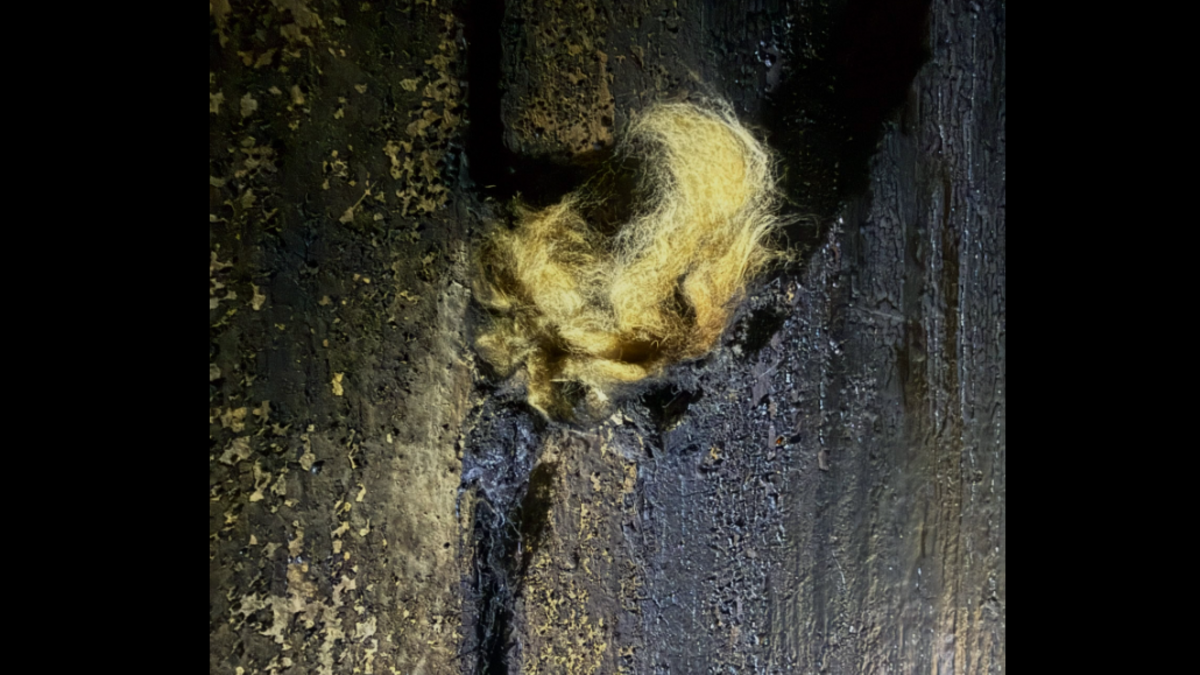
A mystery popped out of the walls during restoration work at an 18th century farm in eastern North Carolina, and it looked a lot like hair, photos show.
Read more A kitten was stuck 20 feet up a tree. A North Carolina cop had a plan: Tuna
The strange discovery was made earlier this month at the Historic Hayes Farm in Edenton, North Carolina, where restoration specialist Andrew Ownbey is restoring key parts of the 194-acre farming complex.
Photos show the wispy material emerged from between the walls of a loft built over the kitchen, which dates to 1817 and suffered a roof fire in the late 19th century. Ownbey was certain it was an intentional part of the construction.
“I suspected wool, since it survived the fire,” he said in an Oct. 15 Facebook post.
He was wrong.
Believing “good detective work will lead to a proper preservation,” Ownbey submitted fibers for a microscopic analysis by Virginia-based art conservator Amelia Jensen.
“She was able to identify the fibers as cotton,” Ownbey says.
So why was cotton jammed into cracks? Ownbey suspects it was used like to a type of caulk to insulate the walls.
“The cotton ‘caulk’ is unusual. Maybe there are other examples, but I’ve never seen it. Other buildings on the site are done differently,” Ownbey told The Charlotte Observer.
Read more City is closing its ‘Jungle’ homeless camp one section at a time in Washington state
“Wool, cotton, and linen were the most available options. Cotton was the cheapest. It simply came down to that.”
Closer inspection of a farm structure that housed enslaved people revealed its walls were insulated with a mix of plaster and hair, he said.
Among the questions that remain unanswered, he says, is why cotton insulation was only used in the loft, which is among nearly two dozen historic structures on the 194-acre estate.
“Were they trying to keep heat and smoke from below out? Probably. It was a very large and complex kitchen,” Ownbey says.
The Hayes Farm was owned by Samuel Johnston and his descendants from 1765 to 1865. It was purchased by the state of North Carolina in 2022 and is now managed and funded by the nonprofit Elizabeth Vann Moore Foundation. Restoration began in 2023, and has included work on the carriage house, dairy and smoke house.
Read more Muslims question political future after Florida labels biggest nonprofit ‘terrorist’
Edenton is about a 140-mile drive northeast from downtown Raleigh.










Post Comment