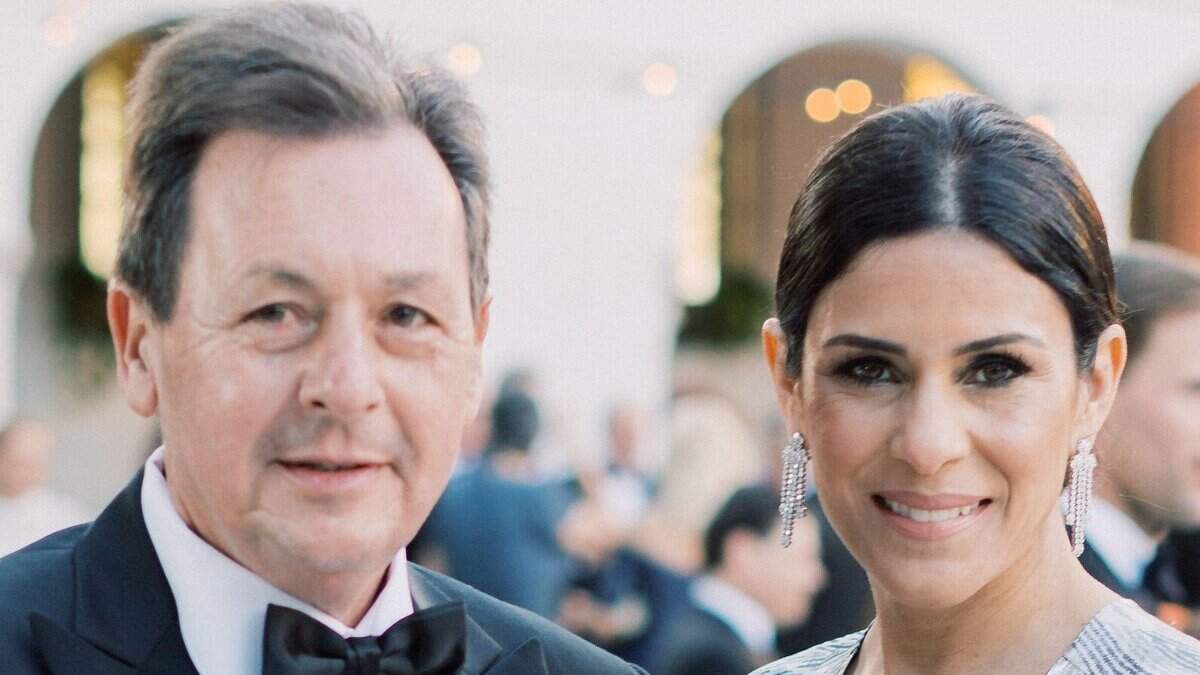
Final two defendants in Sergio Pino murder-for-hire case start trial Monday
The final two defendants accused with participating in a plot by South Florida developer Sergio Pino to kill his estranged wife are scheduled to begin trial Monday in Miami federal court, more than two years after Pino killed himself as FBI agents moved to arrest him.
Read more Coral Gables now offers same-day permits for renovations, repairs. What to know
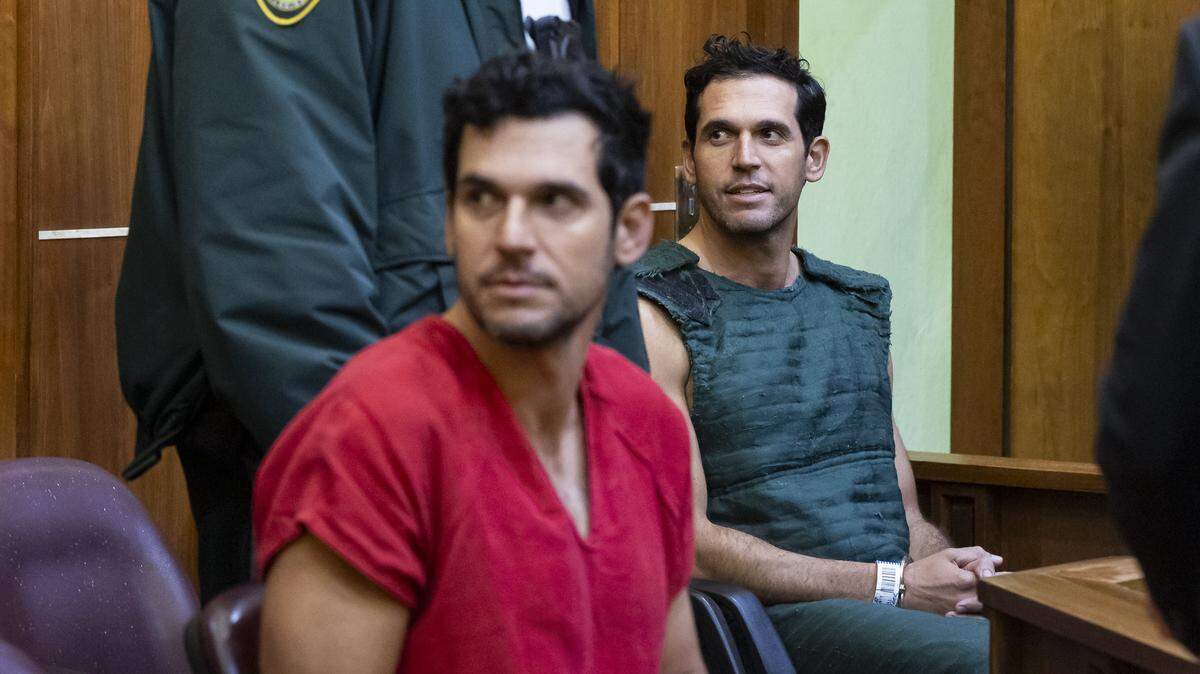
The trial of Clementa Johnson, of Tallahassee, and Diori Barnard, of Miami, is scheduled to start at 9 a.m. before Senior U.S. District Judge Donald L. Graham. Seven other men charged in the case have pleaded guilty, leaving the pair to contest charges that they helped carry out a paid campaign to stalk and kill Tatiana Pino during her contentious divorce from the prominent homebuilder.
According to prosecutors, Pino assembled two crews through intermediaries who worked for him, using them to intimidate, attack and ultimately attempt to kill his wife. The federal indictment describes a conspiracy involving arson, poisoning, a truck deliberately ramming into her vehicle and an armed confrontation outside her Pinecrest home.
Pino, the former head of Century Homebuilders Group, died July 16, 2024, at his waterfront Cocoplum residence in Coral Gables. His death ended efforts by prosecutors to bring him to trial, but the criminal case continued against the men accused of acting on his instructions.
Prosecutors say Johnson and Barnard were members of a second crew that followed Tatiana Pino around South Florida waiting for an opportunity to kill her. Both are charged with murder-for-hire conspiracy, a separate murder-for-hire offense, stalking, possession of a firearm and ammunition by a convicted felon, and brandishing a firearm in furtherance of a crime of violence.
Their trial follows guilty pleas by other defendants, including Fausto Villar, accused of organizing that crew; Vernon Green, the gunman who confronted Tatiana and her daughter; and Avery Bivins, an intermediary who became a cooperating witness. Bivins is serving a nearly 20-year sentence.
In pretrial filings, Johnson sought to prevent prosecutors from using statements he gave investigators and a signed plea agreement he later abandoned. The litigation raised questions about his request for an attorney during an FBI interrogation and whether he understood a provision allowing prosecutors to use his statements if he withdrew from the plea agreement.
Tatiana Pino filed for divorce in 2022, beginning a battle over substantial personal and business assets. Investigators viewed the financial conflict as a motive for the attempts to kill her.
A superseding indictment returned on July 31, 2024, charged nine men with a total of 17 counts. It describes the first crew as operating through Bayron Bennett, a handyman who provided services for Pino’s yacht excursions. That group included Jerren Keith Howard, Michael Jose Dulfo and Edner Etienne.
Prosecutors said members of the crew set vehicles on fire and carried out an August 2023 attack in which a rented Home Depot flatbed truck was reversed into Tatiana Pino’s Land Rover Defender in her driveway. The broader conspiracy allegations describe attempted poisoning with cyanide, arsenic and fentanyl, a staged home invasion, and efforts to conceal the organizer’s involvement by arranging attacks against his own property.
The second crew, the government says, operated through Villar, a roofer known as “Cuba” who had worked at Pino’s home. Villar recruited Bivins, whom he knew from prison, Bivins recruited Johnson and Johnson then recruited Green, Barnard and other participants, the government says.
Prosecutors said that group tracked Tatiana Pino in Miami-Dade and Monroe counties and received syringes and a substance intended to make her death appear to be a heart attack or an overdose. The government says the group eventually abandoned the injection plan.
The efforts to kill her culminated in an armed encounter on June 23, 2024, when Tatiana Pino was returning home. According to prosecutors, Green got out of a stolen Dodge Ram pickup and ran toward her vehicle with a pistol. Tatiana Pino drove into her backyard while sounding the horn. Her daughter, Alessandra, came outside and encountered Green, who pointed a gun inches from her face before returning to the pickup and fleeing.
Investigators used surveillance footage, vehicle records, license-plate readers and cellphone data to reconstruct the participants’ movements. A statement Johnson signed with his proposed plea agreement describes a white Tesla registered to Barnard traveling near the pickup before the confrontation. It also links the stolen truck, found abandoned near Tatian Pino’s home, to one previously recorded outside Barnard’s residence.
The statement, known as a factual proffer, describes footage identifying Johnson with the pickup and a rented Mazda. License-plate records placed the Mazda immediately behind the stolen truck approximately 1.3 miles from Tatiana Pino’s residence two days before the attack. Investigators also traced vehicles to a Key Largo resort Tatiana Pino visited the day before the confrontation and documented telephone contacts involving Johnson, Barnard and Green around the attack.
The proffer became part of Johnson’s effort to exclude evidence. Although it sets out facts the government said it would prove, Johnson never entered the associated guilty plea. Prosecutors sought to introduce it under a waiver in the agreement.
Read more Palm Beach GOP doesn’t rule out supporting candidate accused of child sex abuse
Johnson was arrested July 1, 2024, and interviewed at the Clay County Sheriff’s Office. His motion to supress his statements to law enforcment says questioning began late that night and continued into the early morning. He initially signed a waiver of his Miranda rights and agreed to speak with FBI agents.
According to prosecutors, Johnson said he had been hired to recruit people to kill Tatiana Pino and promised $250,000, with discretion to determine payments to other participants. They say he received $12,000 in advance and described a video call in which Pino offered a $50,000 bonus if the killing could not be traced to him.
Johnson’s attorney, Gennaro Cariglio Jr., sought to exclude the statements, arguing that investigators lacked probable cause to arrest him and continued questioning him even after he requested his lawyer, Jordan Lewin.
The defense argued that vehicle movements, telephone contacts and location data did not establish Johnson’s criminal intent or advance knowledge that a firearm would be used. Prosecutors countered that the combined evidence established probable cause and that officers reasonably relied on a warrant signed by a judge.
U.S. Magistrate Judge Detra Shaw-Wilder rejected the challenge to the arrest but recommended excluding statements made after Johnson unequivocally requested counsel.
The government’s August objections accepted findings that Johnson requested a lawyer and agents improperly continued questioning. Prosecutors nevertheless argued that he subsequently reinitiated the conversation and chose to cooperate after calls to Lewin went unanswered.
The defense disputed that interpretation, quoting an agent asking Johnson what he wanted to do “in the meantime.” His lawyer argued that responding to an agent’s invitation could not constitute an independent decision to restart questioning. The defense also noted Johnson’s request to leave the telephone available in case Lewin called back.
Another dispute concerned four meetings with prosecutors and FBI agents that Johnson attended with Lewin between July 2024 and June 2025. Prosecutors characterized the earlier sessions as voluntary debriefings, saying Johnson was warned that there were no promises of leniency and that incriminating statements could be used against him.
Johnson testified that he attended to negotiate a plea and obtain a sentencing benefit. His lawyer emphasized that Johnson was charged and detained, and the courthouse meetings included his attorney and the assigned prosecutor. According to the parties’ filings, Shaw-Wilder recommended admitting the debriefing statements, a conclusion Johnson challenged.
The proposed agreement required Johnson to plead guilty to conspiracy, stalking and firearm brandishing. Prosecutors agreed to seek dismissal of the other two charges after sentencing. The firearm charge specified a mandatory minimum of seven years, consecutive to punishment on the other counts. Prosecutors said Johnson asked them to drop it, but they refused.
Johnson signed the agreement and proffer June 6, 2025. At his scheduled plea hearing June 23, he declined to plead guilty and sought to replace his lawyer. Lewin was discharged and another attorney was appointed.
The agreement provided that statements from interviews, debriefings and plea discussions could be used against Johnson if he withdrew before or after pleading guilty. Johnson testified that he did not read it or discuss its terms with Lewin because he wanted to wait for a court appearance to replace his lawyer.
Prosecutors disputed that explanation, arguing that voluntarily signing without reading did not release him from the agreement. The defense countered that an opportunity to read did not establish understanding of the waiver. According to the filings, Shaw-Wilder recommended excluding the plea documents because the evidence did not establish a knowing waiver.
Prosecutors requested testimony from Lewin about his advice. The defense’s Sept. 24 response said the court permitted him to testify, while seeking to limit questioning to relevant communications.
The pretrial arguments concerned how much of Johnson’s account prosecutors could use. At trial, the government must prove the charged offenses beyond a reasonable doubt.
Read more Backlash to Trump hasn’t bolstered Florida Democrats’ voter registrations








Post Comment