LNG buyers and sellers seek greater supply diversity amid Iran war
BANGKOK, Sept 21 (Reuters) – LNG buyers are looking to diversify sourcing as the US-Israeli war against Iran cuts Gulf shipments, with importers seeking alternatives for the fuel from other suppliers ranging from West Africa to Indonesia.
Read more Morning Bid: Summiteering
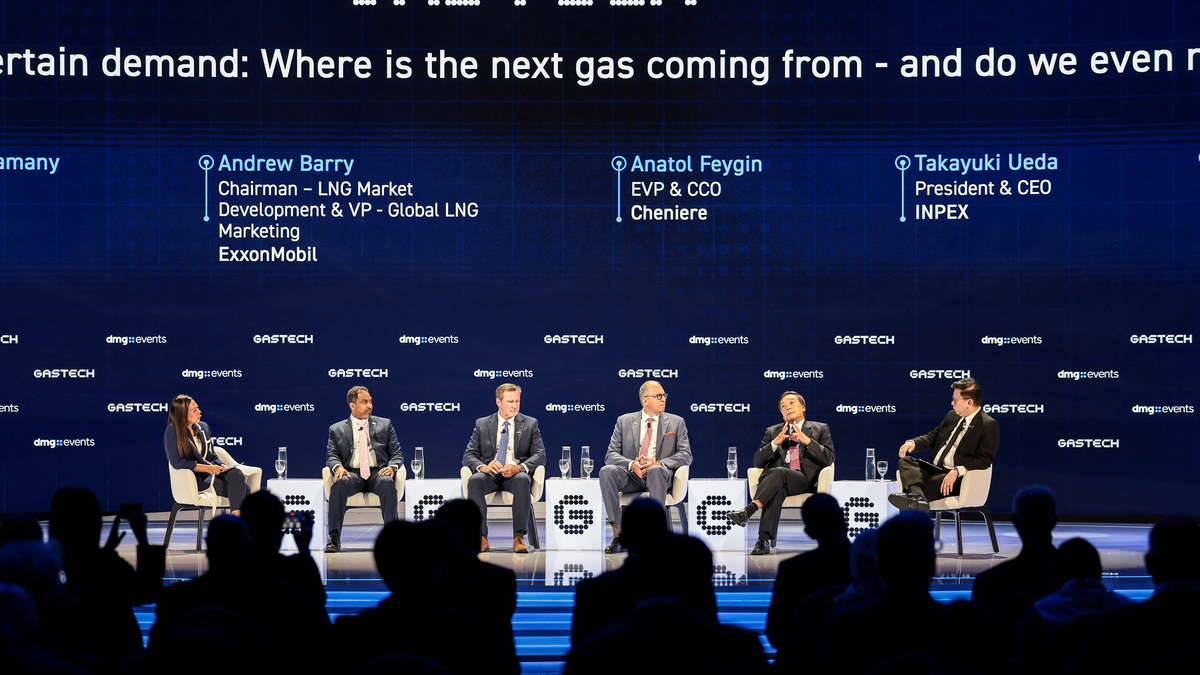
While Asian governments look to lock in LNG from sellers with access to various sources, producers and trading firms want to widen supply pools by taking stakes in gas projects and buying from different countries, officials and industry executives said during last week’s Gastech conference.
“A lot of governments are thinking not just diversification of the suppliers, but diversification of supply routes,” Sue-Ern Tan, the head of the International Energy Agency’s regional cooperation centre in Singapore, said at Gastech.
The diversification push could boost projects outside the US and Qatar, which dominate planned capacity additions, although Qatar’s LNG infrastructure was damaged early in the war.
Thai state firm PTT is looking to Oman, North America and West Africa for supplies, Bandhit Thamprajamchit, chief operating officer of its upstream petroleum and gas business, said.
Its trading arm inked a long-term deal with Norway’s Equinor for supply on Friday.
Before the Iran war effectively closed the Strait of Hormuz, Bangladesh was reliant on Qatar for the bulk of its LNG imports. Now it is looking at Indonesia, Australia and China, Bangladesh’s power minister Iqbal Hasan Mahmud told the conference.
Early in the Iran war, Asian state energy buyers were forced to buy replacement cargoes from the spot market, with the likes of PetroChina and India’s GAIL able to swing to other regions for replacement supply, but paying premiums to do so.
Despite the loss of 36 million metric tons of supply from the Middle East, new capacity additions meant that the net supply loss this year is only around 5 million tons, or 1%-1.5% of global supply, Tom Summers, executive vice president for LNG marketing and trading at Shell, said at the conference.
Read more Why are sedans making a comeback in 2026? Plus 5 deals for you
An additional 70 to 80 new LNG vessels each year also provides more shipping flexibility, he said.
High LNG prices and demand for diversified supplies have boosted the prospects for new producers such as Argentina, East Timor and Tanzania, according to the conference speakers.
East Timor plans two greenfield LNG plants, a 5-million-ton facility for the long-delayed Greater Sunrise gas fields and a 1.5-million-ton facility to take leftover gas from Bayu-Undan, Energy Minister Francisco da Costa Monteiro told Reuters.
SPREADING CAPITAL AND RISK
Takayuki Ueda, CEO of Japanese energy firm Inpex, said upstream companies were now focused on “portfolio resilience, portfolio diversification, diversification of supply sources, and also security for entire supply chain”.
Inpex is focused on developing the Abadi gas field in Indonesia, with an investment decision slated for mid-2027 for the 9.5-million-ton project, Ueda said. In the longer term, Inpex is looking to diversify across the Americas, into the US and possibly Brazil.
Paul Marsden, president of engineering firm Bechtel, said he sees new supply coming from East Africa via projects like ExxonMobil and TotalEnergies’ Rovuma, Saudi Arabia and the Americas.
(Reporting by Helen Clark, Emily Chow and Florence Tan; Editing by Christian Schmollinger)
Read more Syrian ammunition depot explodes in fourth such blast this month
Copyright Reuters or USA Today via Reuters Connect
This story was originally published September 21, 2026 at 6:35 AM.











Post Comment