
Miami-Dade school board OKs leaner budget, braces for possible cuts
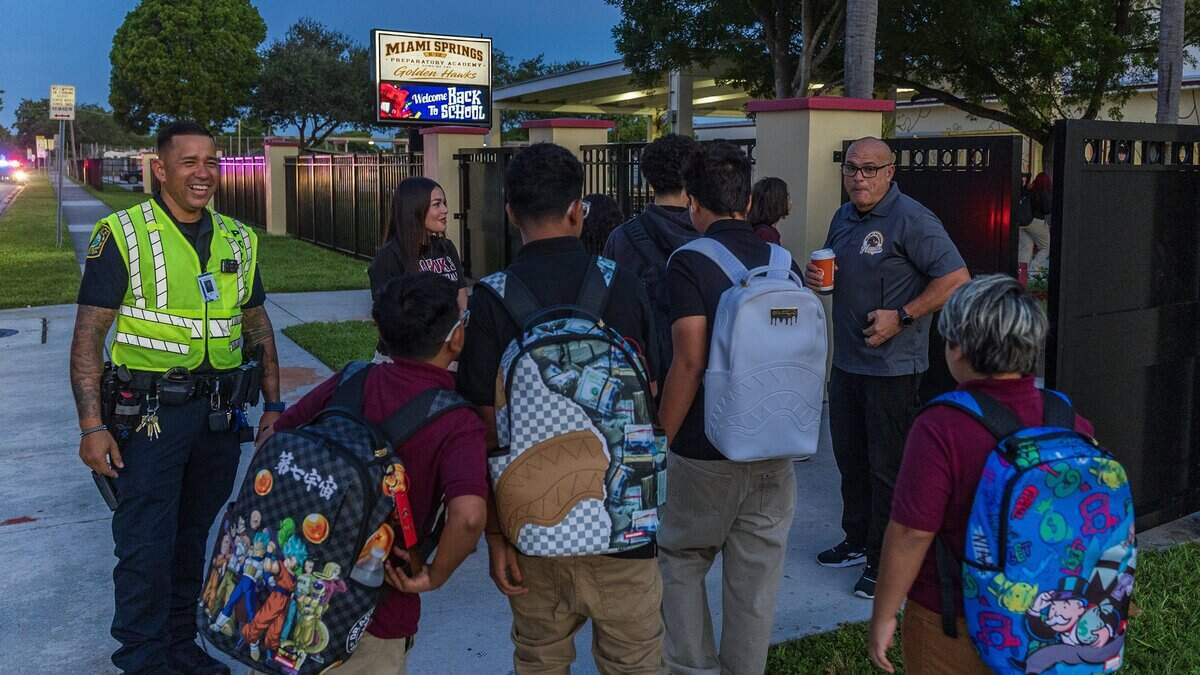
Acknowledging current and continued financial struggles resulting from low enrollment, the Miami-Dade school board approved a final, slimmed-down version of the district’s budget Wednesday.
Read more Clemson eager to regroup, focuses on Georgia Southern
The budget, roughly $7.4 billion according to Superintendent Rafael Villalobos, was calculated assuming that the district would take another hit because the number of students attending traditional public schools is well below projections.
The board’s a week after he took over the top spot in the district. The budget is more than 3% lower than the one passed last year, largely due to there being fewer students in schools – traditional public schools started the school year with 15,100 fewer students than last year.
Enrollment has since ticked up, but it’s still well below what district staff projected when they initially crafted the budget.
The budget this year includes two shortfall reserves – one $20 million fund to deal with enrollment decline and another to account for tax collection issues.
But, depending on what the enrollment numbers are in October, when the first official state count to determine the district’s enrollment takes place, more action may be required.
Board Chair Meri Tere Rojas called the current state of affairs a “financial crisis.” She also directed Villalobos to submit a “plan of action” on possible cost-saving measures, including cuts, if the October numbers come in particularly low.
Overall, both board members and Villalobos have been telegraphing more “tough decisions” down the line – whether that’s more cost-cutting or more school closures.
“As we become fiscally responsible – and we need to be in these tough times – we’re going to have to make tough decisions, but the interest is always first and foremost our children and our schools, and we do it with that in mind as hard as those decisions may have to be,” Villalobos said at the meeting.
District staff said that enrollment was much easier to model in years past. Since the introduction of the state voucher to help pay for K-12 private schooling became universally available and the Trump administration increased federal immigration enforcement practices, Interim Chief Financial Officer Margarita Betancourt said “there’s no trend” for staff to follow.
Villalobos recently paused the process of reviewing 27 different schools for possible closure or consolidation in the near future, with this year’s closures expected to be planned by the end of the year.
One major piece of the conversation was the upcoming vote going before Miami-Dade residents to extend the tax referendum for schools. Voters previously approved the tax by wide margins in 2018 and 2022.
Read more This enchanting Airbnb is straight out of ‘Practical Magic.’ How to stay there
This year’s budget calculates the financial impact of the vote at $569.5 million. About 88% of the money would go toward “instructional related pay increases,” and the remaining 12% would fund security, according to the budget documents.
District staff said that about 72.6% of the referendum money would go toward traditional public schools, while the remainder would go to charter schools, which are considered public schools under Florida law.
Aside from the budget, board members also approved Wednesday one of Villalobos’ first big initiatives: a cabinet reshuffle, including a slate of demotions, that he claims will save the district $1.6 million.
It was unanimously approved by the board, even if its members weren’t enthused about every single one of the many personnel changes.
“I had agreement with many of the things that were in there and sometimes disagreed. However, I think good governance from the board means allowing a CEO to build the team they need in the way that they want to in order for us be able to hold them accountable to the outcomes,” District 9 Board Member Luisa Santos said.
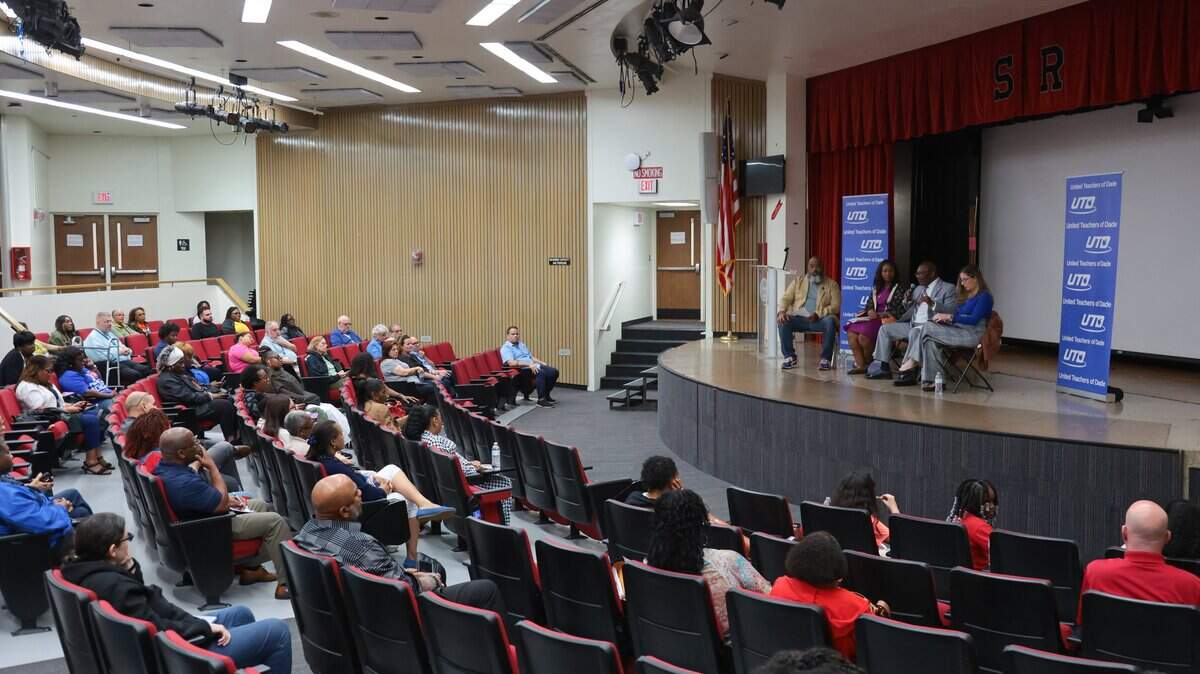
Also in flux at the moment is the district’s contract with the United Teachers of Dade, the teachers union representing most district staff.
Many of the union’s top officials were on hand to provide public comment, pointing out that items like base bay increases had not yet been hashed out one month into the school year.
UTD President Antonio White has not shied away from acknowledging the need to downsize central office or even close schools. But the district is not alone in feeling the financial squeeze, he said.
“The cost of living in Miami-Dade continues to rise: Housing, insurance, groceries, utilities – you name it – are all going up,” White said.
“At the same time, our schools remain open, our students continue to come through the doors every day, and the work still must get done. Enrollment may be declining, but the value of the employees doing that work certainly is not,” he said.
Read more Where wage inequality is increasing and decreasing








Post Comment