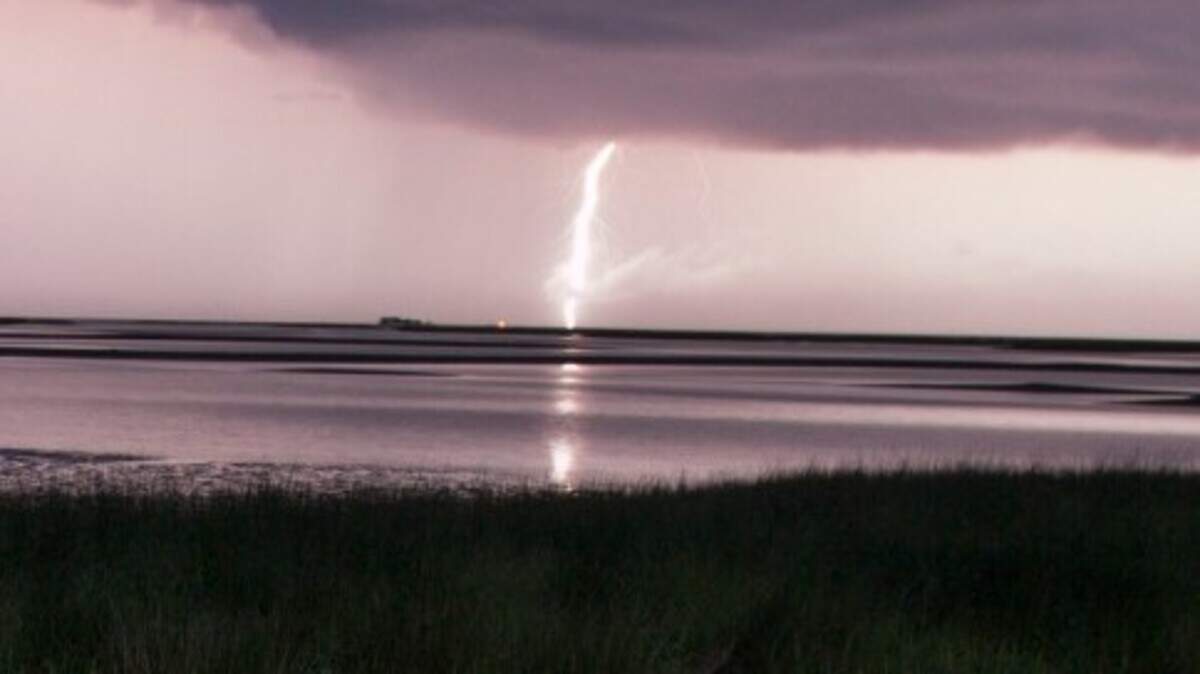
Lightning season in Florida has arrived. Here’s how to avoid a strike
A Florida Keys charter boat captain was sent to the hospital after he was struck by lightning on the water Thursday, becoming an unfortunate reminder of the danger electrical storms pose to those living and vacationing in the sunshine state, especially in the summer months.
Read more Public pre-K gives Miami-Dade students an edge that lasts, FIU study finds
Lightning can strike up to 10 miles from its origins, so even if its sunny and showing no signs of rain or clouds where you are, the moment you hear thunder, you should seek shelter.
Since 2006, the U.S. Centers for Disease Control and Prevention says more than 30 people have been killed by lighting in Florida, often aptly referred to as the lightning strike capital of the world.
Read more Mexican cartel sent representative to Miami to oversee cocaine network, feds say
READ MORE: Florida Keys charter fishing captain struck by lightning, sheriff’s office says
The University of Florida Institute of Food and Agricultural Science Extension offers the following important tips to avoid being hit by lightning:
Read more Lightning season in Florida has arrived. Here’s how to avoid a strike
- If you hear thunder, seek shelter immediately and don’t go back outside until after 30 minutes pass since the last thunder roll you heard.
- A shelter should be a fully-enclosed space with a roof, walls and a floor, or a vehicle with a metal roof.
- Avoid pavilions, picnic shelters, tents, car ports and boats without cabins.
- Even when inside, stay away from windows and doors. And, don’t handle items that conduct electricity, like computers and corded telephones.
- Doing laundry, washing dishes, taking showers or handling any appliances that are connected to a home’s plumbing should also be avoided during a thunderstorm.
- If you are outside and shelter is not an option, stay low to the ground, crouching or on your hands and knees, but do not lie flat.
- Stay out of open areas, and avoid tall structures like towers, trees and poles.
- Stay away from water, including swimming pools, oceans, lakes, rivers and streams.
- If you’re in the woods, find the lowest clump of trees possible to avoid being underneath tall trees.
- If you’re on a boat and can’t get to shore right away, stay away from all metal objects and electrical equipment. This includes the radio, unless you are calling for help.
- If someone you are with gets struck by lightning, call 911 and perform CPR if the person’s heartbeat and breathing have stopped. Lighting-strike victims are safe to touch and do not carry an electrical charge.











Post Comment