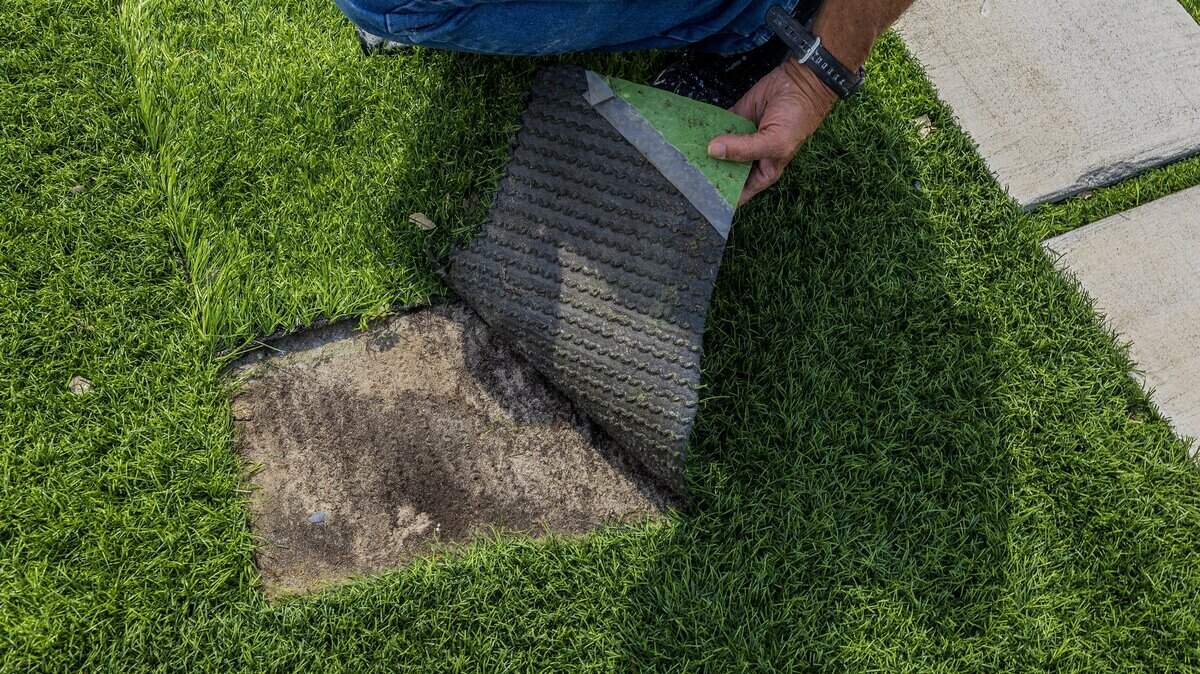
Miami-Dade schools plans to get into the weeds on fake grass debate
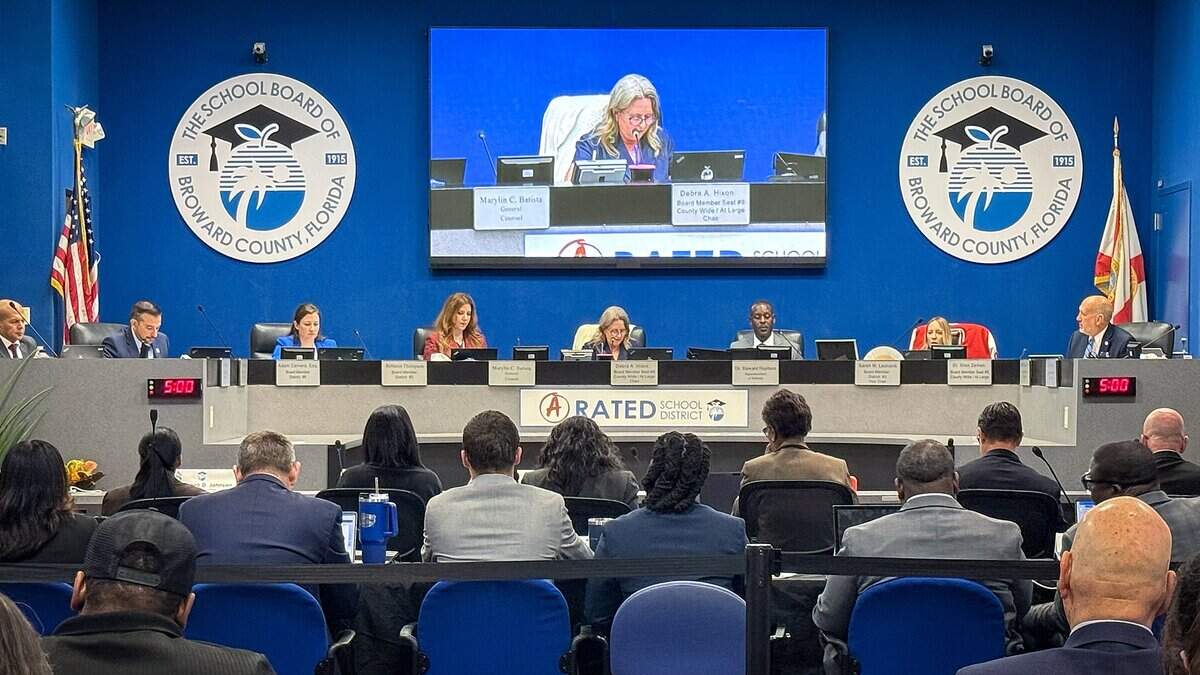
Miami-Dade’s school board is gathering a committee to do some homework on the benefits of real versus artificial grass.
Read more Miami-Dade school board approves 364-unit housing project at school site
Joe Geller, who introduced the resolution that passed on Tuesday, said health, environment and lifetime costs should be considered – including how hot the turf can get and the impacts of “microplastics.”
“The board needs evidence,” Geller said. “I think that it is a very limited, very appropriate, and both fiscally and from a health perspective, wise decision for us to take a look, have the superintendent convene some people, talk about it, and come back to us.”
The resolution was sparked by a public letter signed by about a hundred parents, teachers and students that urged the district to kick its fake grass habit. But during Tuesday’s school board meeting, several officials said there were good reasons to keep using plastic turf.
Read more: Parents, teachers ask Miami-Dade Schools to stop with all the fake grass
School Board Chair Mari Tere Rojas said in South Florida’s climate, the real turf fields require irrigation, fertilizer and pesticides. Plus, she said, principals in her district said they prefer it.
“Also, during periods of heavy rainfall, which we’ve had several times, and high usage, natural grass can also deteriorate pretty rapidly, and create a muddy or even an uneven condition that may increase the risk of injury to our children,” she said
Michele Drucker, who led the push for the open letter against fake grass, said she thought the discussion was fair. However, she noted that while artificial turf may have lower maintenance needs initially, it will eventually degrade. And degraded plastic presents a worse environmental issue than muddy grass.
“Maybe in Florida’s conditions, these fields break down even faster. What does that mean for student health?” She said.
Studies have shown that artificial grass can get dozens of degrees hotter than real grass, even getting into temperatures that could burn skin. But Raul Perez, the chief facilities design and construction officer for Miami-Dade public schools, told the Board that no injuries had been reported from the turf being too hot.
Marcel Borges, a 16-year-old at Coral Reef High School, said he found that hard to believe.
Read more Smear campaign targets Democrat’s sexuality in Florida congressional primary
“I think even if they think it hasn’t happened, it probably has,” Borges said. “It’s harder to prove the injury is because of artificial grass. But from what I’ve seen, it’s a harsher burn that’s harder to clean and disinfect.”
Borges said he has played soccer at artificial turf parks outside of school. As a defender, he said he has gotten carpet burns while making slide tackles.
“The pebbles get stuck in the wound. It’s quite painful,” Borges said.
The grass at Coral Reef high is real, he said, but it’s old and unmaintained, so it’s not used. He said he’d still take that over the fake stuff.
Health experts have expressed concerns that as climate change heats up places like South Florida, artificial turf could get even hotter. And environmental experts worry that plastic grass doesn’t absorb floodwater as well as the real stuff.
Perez said that in recent years, after feedback from principals, the school district decided to power ahead with using artificial turf as a preference over natural turf. They just laid down a fresh rug of turf at Traz Powell Stadium, he said.
There isn’t any money allocated toward the committee and review. The advisory panel would include health experts, environmentalists, students, and representatives of parent teacher associations.
While the item originally called for a pause on artificial turf installations, school board members decided on Tuesday to nix that aspect and just proceed with the panel.
The amendment first called for the recommendations to be presented to the board in October. That was pushed back to December.
Ashley Miznazi is a climate change reporter for the Miami Herald funded by the Lynn and Louis Wolfson II Family Foundation and MSC Cruises in partnership with Journalism Funding Partners.
Read more ACLU files lawsuit against FIU for disciplining students over silent anti-ICE protest on campus











Post Comment