Will I lose access to my bank account if I’m deported? Plus other key questions
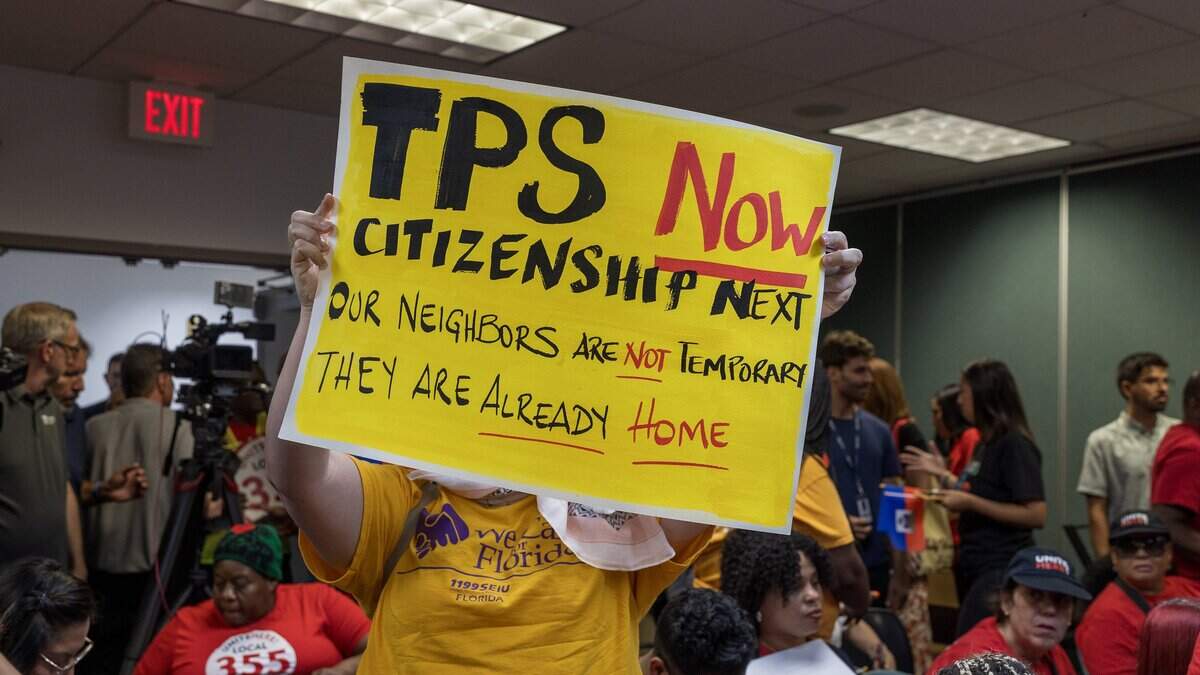
Changes in Temporary Protected Status are leading to fears of detention and deportation by many immigrants in Miami, particularly members of the Haitian community whose work authorizationsand legal status in the United States have now expired.
Read more School’s back in session — and you’re back in traffic. Road rules are changing
Amid the fear, some are running to the bank to withdraw their hard-earned cash, believing that should they be forced to return to Haiti, the U.S. government will take possession of their funds.
The concern stems from the Trump administration, which has floated the idea of debanking undocumented immigrants.
“They are trying to get banks to say that immigration status is something they should consider in people’s credit-worthiness as an effort to basically discourage banks from loaning money, not just [to] people who are undocumented or who have temporary status, but even people who potentially have a work visa or even a green card,” Todd Schulte, president of FWD.us, a bipartisan organization that advocates for immigration reform, said this week during a press conference.
“The way to think about this is the fear is a force multiplier of this all-of-government approach, and in the same way that we talk about TPS, it’s both deportation protection, and it’s work authorization,” he said. “It’s an effort to marginalize people and push them out, and that extends to people’s jobs, to their housing, to access to basic health care, to a driver’s license, and then to even the ability to access their own money.”
According to legal experts, a person facing deportation doesn’t lose the money in their bank account, though accessing that cash could become more complicated.
Here’s what to know:
Can the government seize my money if I am deported?
The government can not take your money because you are detained or deported, according to multiple law firms and organizations that specialize in immigration and banking law.
According to the firm Yevoli and Malayev: “Even if you are undocumented or in removal proceedings, you still legally own your financial assets. U.S. banks do not automatically seize funds due to immigration status. Your money, investments and property remain yours.”
While there have been examples of banks locking clients out of their accounts over immigration status, “deportation does not automatically result in the seizure or closure of a non-citizen’s bank accounts,” according to Haven Services, a non-profit that provides financial counseling and coaching to people of low and moderate incomes.
Legal experts say the more probable complication for someone in deportation proceedings would be related to accessing their account. But there are ways to get ahead of that.
Read more When will this rain end? What Miami forecast says about weekend, back to school
Organize Important Documents
Haven Services recommends that you keep copies of important documents, such as bank statements, property deeds and loan agreements, in a safe place and at the ready should you need them.
Bank customers should grant a power of attorney to someone they trust
Accessing a bank account can be difficult from another country. To make things are easier, it’s recommended that bank customers have a trusted person in the United States as an appointed signee or power of attorney, according to LawInfo.com, a law website.
You can withdraw money from a U.S. account from another country
If you don’t have an authorized signer, LawInfo.com recommends calling your U.S. bank and explaining your deportation situation so that you can receive a wire transfer from your U.S. bank account.
Individuals headed back to Haiti should know that ATMs do not provide U.S. cash, and banks limit the amount of U.S. cash you can withdraw at once, but they do allow for accounts in U.S. cash. Individuals should review the policies of a bank in Haiti and explore its requirements so that you can have access to your U.S. account.
Manage your bank account outside the country via online tools
If you do not yet have access to your account online, it’s important that you do.It’s recommended that bank customers call their financial institution about what online tools are available to manage their accounts online, LawInfo.com says.
Banks have particular reasons for closing accounts
Banks don’t just close accounts for no reason, according to the Florida Banking Association. In the event of a person not having access to their account, the bank will make an effort to reach them and give them the money in their account.
Banks must report all transactions over $10K
According to federal law, banks are required to report all transactions of $10,000 or more to the Financial Crimes Enforcement Network (FinCen), a bureau of the U.S. Department of the Treasury. If you are thinking of withdrawing money, you should consult someone at the bank about the best way to proceed, with the understanding that withdrawing large sums of cash at once can raise a red flag.
An immigration lawyer can also help get your money
If you’ve lost your legal status or are in an immigration process it is recommended that you consult with a qualified immigration attorney and be clear on what services they provide. There have been a number of stories of people being detained after leaving banks, or being detained while carrying cash. To make sure you have access to your funds, regardless of the outcome of your immigration case, you should make sure you have access to an immigration lawyer to help you access your money, including from your bank account, in the event of deportation.
Read more Funeral for Cuban sugar magnate Alfonso Fanjul is Saturday. Here’s what to know












Post Comment