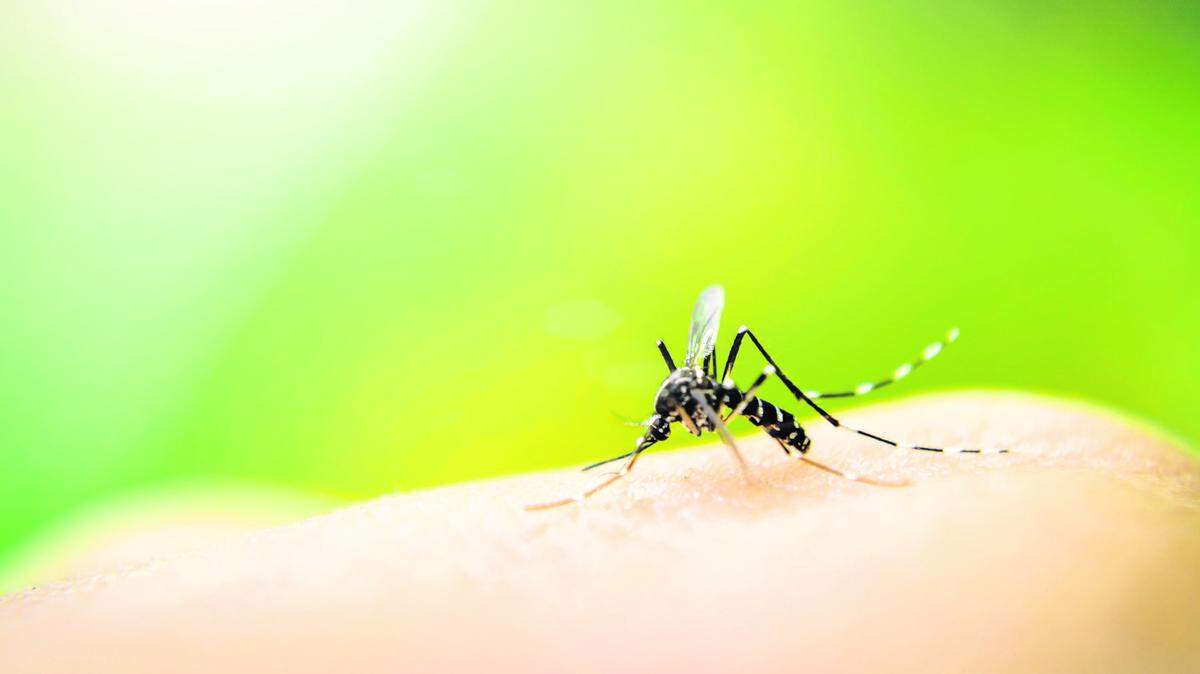
Dengue case in Miami-Dade triggers a mosquito alert, health officials say
People across Miami-Dade County should take precautions to avoid mosquito bites following a confirmed locally acquired case of dengue, according to the Florida Department of Health.
Read more Former Heat player’s Miami Beach mansion among top luxury contracts and sales
Symptoms of dengue appear within 14 days of a bite from an infected Aedes aegypti mosquito and can present “as a flu-like illness with severe muscle aches and joint pain, fever and sometimes a rash,” the Florida Department of Health in Miami-Dade said in a Monday statement. There are typically no respiratory symptoms.
with insect repellent, empty anything that could hold water to stop mosquito breeding and keep them outside by using window screens and air conditioning, the statement said.
The Florida Department of Health in Miami-Dade and Miami-Dade County Mosquito Control are coordinating surveillance, prevention and control efforts, the statement said.
MORE: The most annoying season has started in Miami — and the mosquitoes are biting
So far this year, 21 cases of dengue have been reported in Miami-Dade, according to the federal Centers for Disease Control and Prevention.
For more information, visit the department’s mosquito prevention webpage or the weekly mosquito-borne illness surveillance reports. Those who are experiencing any symptoms are asked to call the Department of Health in Miami-Dade at 305-324-2400.
What are dengue fever symptoms?
Most people infected with dengue don’t get symptoms, and many recover within a week, according to the Mayo Clinic. But some do get seriously ill and die. People with severe cases of dengue fever can experience severe stomach pain, persistent vomiting, difficulty or rapid breathing, internal bleeding and organ failure, according to the Mayo Clinic.
“Symptoms appear 3-14 days after the bite of an infected mosquito and include sudden onset of fever, severe headache, eye pain, muscle and joint pain,” and bleeding, according to the Florida Department of Health. Some people may also experience vomiting and diarrhea.
Read more Dengue case in Miami-Dade triggers a mosquito alert, health officials say
The only way to know if you’re sick with dengue is to get tested.
How can you treat dengue?
The good news is that unlike the flu, dengue is not contagious and can only spread to people by bites from infected mosquitoes. The bad news is that there’s no specific treatment for dengue fever.
If you do get sick with dengue, the CDC recommends resting as much as possible, staying hydrated and take acetaminophen (Tylenol) to help with fever. Avoid taking “ibuprofen (Advil) or aspirin because they may cause bleeding in more severe cases,” as the Miami Herald has previously reported.
Tips to reduce your risk of dengue infection
The best way to reduce your risk of dengue infection is to avoid being bit by the pesky bloodsuckers:
Here are tips:
▪ Wear EPA-approved long-sleeve shirts if planning to be outside. And wear pants and socks, too. This may sound blasphemous, especially for those who want to get a tan or were planning to have a “hot girl summer.” But if you want to reduce a risk of a bite, leave the shorts, tanks and sandals at home. And make sure to drink lots of water and avoid being out in the sun during the hottest time of the day. You don’t want to get heat exhaustion or another heat-related illness.
▪ Use EPA-registered mosquito repellents. The repellents should have DEET, picaridin, oil of lemon eucalyptus, or IR-3535.
▪ Clean out rain gutters. You don’t want the gutters clogged with branches and other debris that could make it easier for rain to pool. Check containers, pots, buckets, toys, plastic covers and other items in and around your home to make sure there’s no standing water too. Remember, standing water is a mosquito’s breeding ground.
▪ Change the water in bird baths, fountains, wading pools and potted plant trays at least once a week, according to the EPA. And if you have a swimming pool, make sure to keep the water treated and circulating.
▪ Replace outdoor lights with yellow “bug lights.” These lights are not repellents, but they tend to attract fewer mosquitoes, according to the EPA.
Read more Parents accused of killing missing baby through neglect are back in Broward











Post Comment