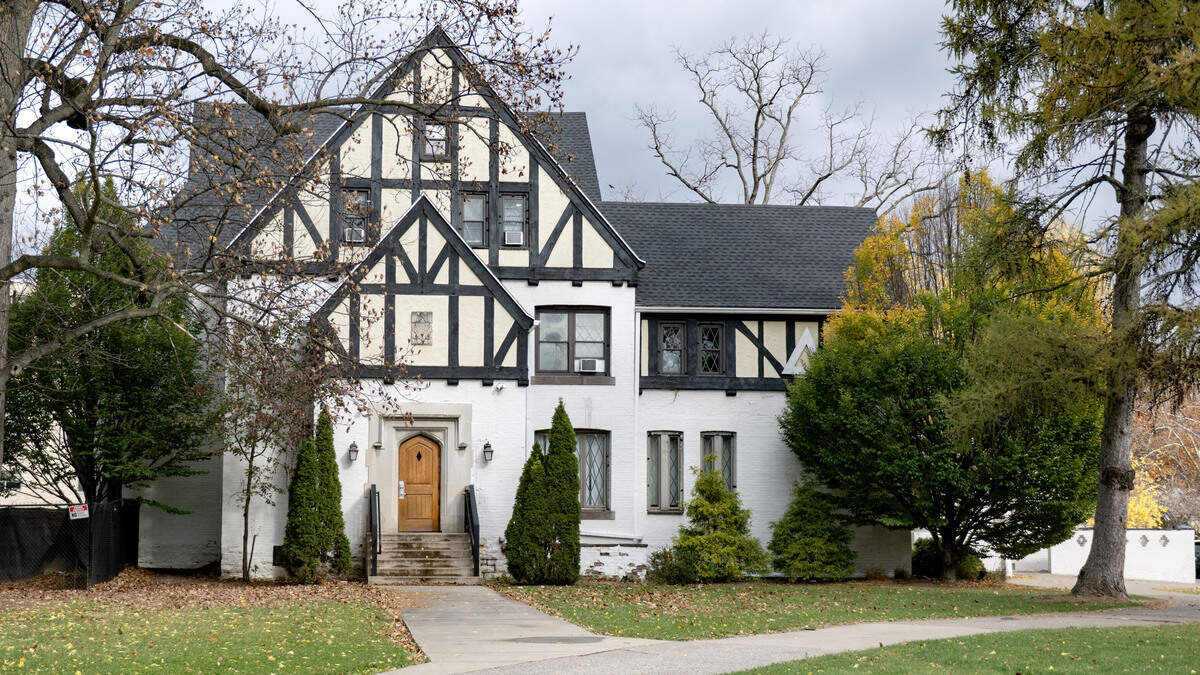
Penn State shuts down Delta Upsilon after finding misconduct, ‘disturbing acts of hazing’
AI-generated summary reviewed by our newsroom.
Read our AI Policy.
- Penn State revoked Delta Upsilon recognition for at least four years.
- The investigation found hazing, physical abuse, and drug distribution.
- Delta Upsilon lost access to campus facilities and sanctioned events.
Delta Upsilon, a Penn State fraternity where large quantities of cocaine were allegedly packaged and sold as part of a profitable drug ring, was shut down Wednesday after the university said it found evidence of additional abuse and hazing at the frat.
Read more Storm closes California’s Highway 1 in Big Sur again. Evacuations also ordered
The off-campus fraternity, 229 Locust Lane, lost its eligibility for recognition as a student organization for at least four years after Penn State said its investigation revealed evidence of “serious misconduct and disturbing acts of hazing.”
New members were subjected to a pattern of hazing that the university said included extensive control over daily activities, acts of servitude, sleep deprivation, physical punishment, intimidation, humiliation and threats of additional harm.
Witnesses described an environment in which new members were expected to follow demands from active members and were monitored through attendance requirements, Penn State said.
Pledges were also subjected to physical abuse including confinement, forced consumption, kicking, punching, waterboarding and other activities that “caused physical injuries and emotional distress.” The investigation further corroborated serious allegations of drug misuse and distribution, Penn State said.
The revocation comes three months after the university placed the fraternity on interim suspension, which coincided with state prosecutors announcing charges against 14 men in connection with cocaine trafficking. All but one are current or former Penn State students.
After the university shared information gathered during its investigation, the international fraternity headquarters removed the chapter’s leadership and suspended its remaining members. Penn State said its chief ethics and compliance officer, Amber Grove, determined the organization violated the university’s anti-hazing policy.
Penn State said the four-year ban allows for any student connected to a “problematic chapter culture to matriculate.” The international fraternity may seek recognition following that period, but Penn State cautioned that recognition is not guaranteed and will be subject to review and approval.
But for now, Delta Upsilon lost all privileges associated with being a recognized student organization. That includes access to campus facilities and university-sanctioned events such as homecoming, intramural sports and Thon.
Current students alleged to have participated in the misconduct will continue to be addressed through the student conduct process, Penn State said.
Penn State calls on community to prevent hazing
In a message to the Penn State community Wednesday, Vice President for Student Affairs Andrea Dowhower outlined steps the university has taken to address hazing and hold individuals and institutions accountable. Education efforts have expanded since August and include a hazing prevention campaign, parent education and harm-reduction outreach.
Read more South Florida pastor found guilty on all counts in Haiti president assassination
“Unfortunately, what happened at Delta Upsilon — and Sigma Chi — is an example of a culture that too many people still dismiss as tradition, harmless fun or simply part of the college experience,” Dowhower wrote. “Instead, hazing is dangerous, unhealthy and unacceptable and has no place in the Penn State college experience.”
Dowhower called on the entire Penn State community — students, parents, organization leaders and advisers — to help prevent hazing and report concerns.
“Lasting progress will require all of us to challenge traditions that place students at risk and to support those that foster leadership, service, belonging and personal growth,” she wrote.
During a mid-August press conference to announce the charges, state Attorney General Dave Sunday did not directly answer whether hazing charges would be brought. He said at the time that the investigation led by State College police was ongoing.
What about the other fraternity where drugs were allegedly sold?
The university said Sigma Chi, 400 E. Prospect Ave., continues to operate as an unrecognized group without oversight from Penn State. Such groups operate independently off campus without formal affiliation with Penn State, leaving the university unable to sanction the organizations.
“While the initial suspension was a result of COVID-related violations of community expectations, we have received multiple reports of alcohol-related violations, assaults and hazing at the house since then, including the most recent drug trafficking related charges,” Dowhower wrote in her note Wednesday.
The fraternity was also one of the three founding members of an independent, student-led council, which Penn State previously described as “deeply concerning.”
“Unrecognized groups have been involved in serious incidents that threaten the health, safety and future of students,” Penn State said. “Fostering a culture that prioritizes respect, accountability and the health and safety of every student requires the collective effort of the entire community.”
This story was originally published November 18, 2026 at 5:56 PM with the headline “Penn State shuts down Delta Upsilon after finding misconduct, ‘disturbing acts of hazing’.”












Post Comment