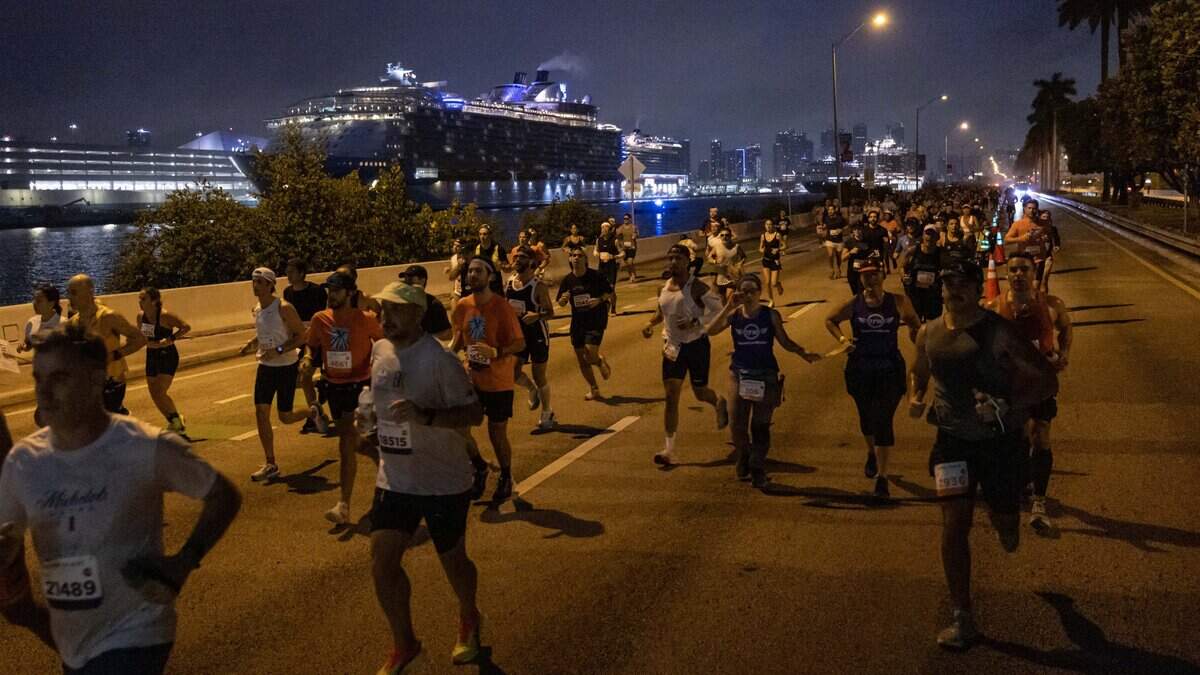
As I age, I can’t bounce back from an injury as quickly. What can I do?
I’m often asked by older patients why they can’t recover from an injury as quickly as they did before?
Read more Florida’s attorney general fights for religious freedom. Has he crossed a line?
When you’re young, your body delivers a strong healing response: highly elastic tissues, rapid cellular repair and an abundant blood supply. A teenager may bounce back from an ankle sprain after a few days of rest and gradual activity.
By contrast, the same injury in an older adult may be affected by reduced balance, lower bone density, tendon degeneration, arthritis, drug side effects or an unrecognized fracture.
As we age, our physiological playbook changes, and we have to adapt how we handle injuries. Age-related changes in muscle repair, inflammation and tissue stiffness can prolong soreness and recovery.
Tendons and ligaments lose moisture and elasticity over time, making them more injury-prone and slower to bounce back. Less blood flow also reduces nutrient and oxygen delivery to the area to help repair the damage.
What does all this mean for you? Seek out care sooner when pain causes limping, swelling persists, function declines, or an injury follows a fall. Do not wait, especially for hip, back, wrist and head injuries, and for anyone taking blood thinners or living with osteoporosis, diabetes, or heart disease.
Read more Who gave the most to Miami’s mayor as she bankrolls a campaign for city bonds?
For older adults, prolonged rest is the enemy. Strict immobilization can quickly lead to muscle atrophy and joint stiffness, which may be worse than the initial injury. Instead, they should prioritize active recovery.
Modify movements rather than stopping entirely. Start targeted physical therapy promptly. Physical therapy isn’t just for surgical recovery; it also helps maintain joint mobility and balance and strengthens surrounding muscles to support the injured area.
The main takeaway is simple: stay active, respond early and recover deliberately. Treat an injury as a chance to build resilience, not just wait for symptoms to disappear. Healing doesn’t stop as we get older; it just requires a smarter, more deliberate strategy to stay in the game.
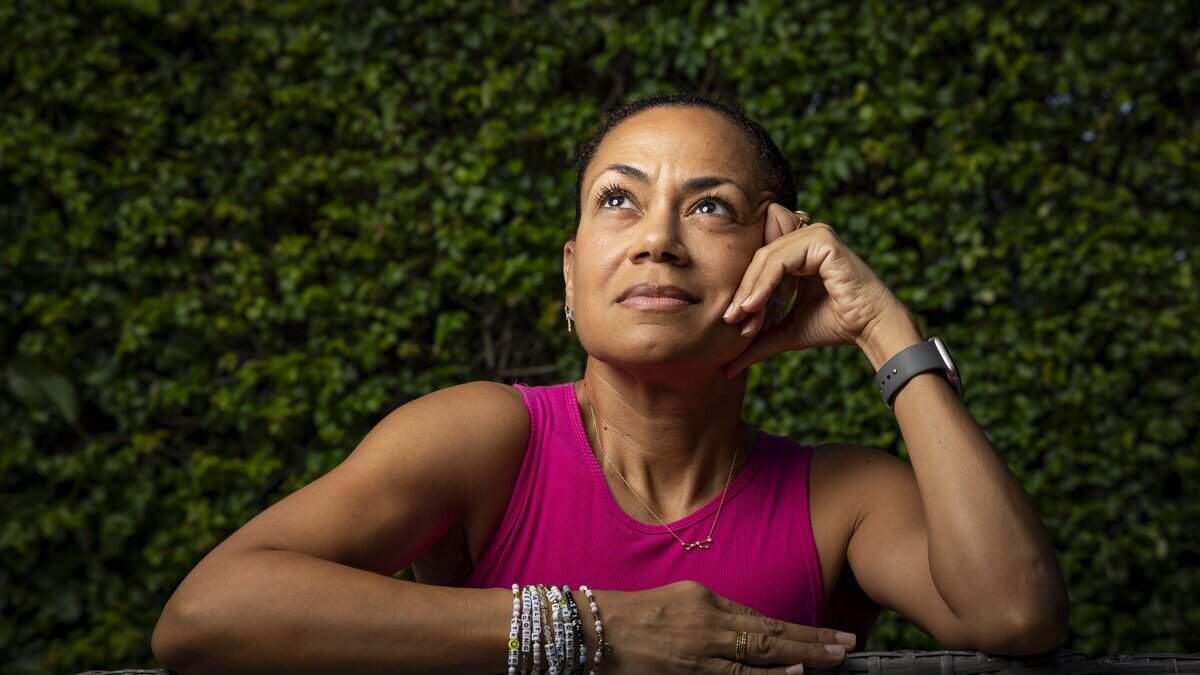
Dr. Michael Swartzon, a sports medicine physician with Baptist Health South Florida, works with the Miami Dolphins, Florida Panthers and InterMiami CF. You can reach him at [email protected]
Read more Is Ludlam Trail ‘shovel-ready’? Check the timeline, design and millions in cost






Post Comment